Pet Comfort: Clothing & Accessories for a Better Life?
Summary: The right clothing and accessories increase the well-being of dogs and cats. Focus on ergonomic fit, functional materials and seasonal adaptation.
What does pet comfort mean? Clothes and accessories that make a difference
Pet comfort is more than just a fancy jumper. It's about giving your dog or cat the right conditions to thrive, whether you're in the riding arena, on a rainy woodland walk, or at home on the sofa. The right equipment is about function, safety, and well-being. A good harness distributes pressure evenly over the body, a rain jacket keeps their fur dry and warm, and reflective details make you visible in the dark. By investing in thoughtful accessories, you can prevent chafing, reduce stress, and make your shared activities both safer and more fun. It's an investment in your friend's quality of life. In this guide, we explore how to make conscious choices that suit your pet's specific needs, body shape, and lifestyle. We cover everything from materials and sizes to what you should consider when buying second-hand. The goal is for you to feel confident in your decisions and provide your four-legged friend with the best possible comfort in everyday life. We'll take a closer look at the benefits of an ergonomic harness compared to a traditional collar and why the right fit is crucial for both dogs and cats.
When are clothes and accessories essential?
Identify your pet's real needs. Not all dogs and cats need a full wardrobe, but for many, protective clothing and functional accessories are a direct necessity. Consider your local climate and your pet's individual characteristics. A short-haired greyhound gets cold more easily than a Siberian Husky with a thick undercoat. An older dog with stiff joints may need a warming blanket to stay agile. Cats that spend time on a glazed balcony may need protection from strong sun in the summer. Common situations where accessories make a big difference: Cold and wet weather: Raincoats and winter blankets protect against hypothermia and moisture eczema, especially for dogs with little or no undercoat. Strong sun: Light, thin protective clothing can prevent overheating and sunburn in animals with light or thin fur. Safety in the dark: Reflective vests, flashing lights and reflective harnesses are vital during walks at dusk and in the dark. Chafing and discomfort: A poorly fitted harness or an incorrect collar can cause pain and injury. A ergonomic dog harness vs collar debate often concludes that the harness is gentler on the neck and back.
Don't get fixated on breeds. Two dogs of the same breed can have completely different needs depending on age, activity level and coat quality. Always start with the individual.
Content: Indispensable basics for dogs and cats
A solid foundation of basic equipment is essential. Before you start looking at specialised products like dog shoes or cooling vests, make sure you have the absolute basics in place. These are the things every responsible dog and cat owner uses daily to ensure safety, comfort, and health. The quality of these basic products plays a huge role. A cheap plastic food bowl can develop scratches where bacteria thrive, and a flimsy lead can break with a sudden tug. Think long-term and choose materials that are durable, safe, and easy to clean. Investing in high-quality basic products from the start is both economical and reassuring. A robust and well-designed harness can last for many years, and secure ID tags can be the difference between quickly reuniting with a lost pet and weeks of uncertainty. Prioritise function and safety over trendy whims. Your pet will thank you by being safe, comfortable, and ready for all the adventures you undertake together, whether it's a quiet evening stroll or a long hike.
Content: Harness, coupling and identification
Safety and comfort on walks. An ergonomic harness is often a better choice than a collar, especially for dogs who pull on the lead, have sensitive necks, or have breathing difficulties. A Y-harness, such as the Hurtta Comfort Y harness, is designed to allow the shoulder blades to move freely and distribute pressure evenly across the sternum instead of on the delicate neck. For cats that go outside on a harness, an escape-proof model is crucial. Supplement with a sturdy lead adapted to the size of your animal and your activities. A shorter lead provides better control in urban environments, while a longer line is perfect for training in the park or forest. Finally, ID tagging is cheap life insurance. 1. Microchipping: By law, all dogs in Sweden must be microchipped and registered. It is also strongly recommended for cats. 2. Collar or harness tag: Engrave a tag with your name and current phone number. 3. GPS tracker: For extra peace of mind, a GPS tracker attached to the harness or collar can give you peace of mind.
Content: Material selection and fit: The key to comfort in all weathers
Functional materials make all the difference. When choosing clothes and accessories, the material is just as important as the design. An item of clothing can look good, but if it doesn't breathe, repel water, or dry quickly, it won't fulfil its purpose. Look for technical materials that are developed for outdoor use. Many modern dog clothes use the same types of fabrics found in high-quality human sportswear. Consider materials that allow the skin to breathe to prevent overheating and moisture build-up, which can lead to skin irritation. For rainwear, taped seams and a material with a high water column are essential to ensure that moisture is kept out. For winter blankets, a combination of a wind and waterproof outer fabric with a warming lining, such as fleece or synthetic wadding, is ideal. Also consider durability – equipment used in the playground or in dense forests must withstand wear and tear from branches and activity. Choosing the right size of dog clothes is the next step to ensure that the material's function is fully realised.
Activity level
For the calm dog that just walks, most materials will work, but for the highly active dog that runs through forests and fields, durable, technical fabrics that are breathable and resistant to tearing are required.
Fur type
A dog with a thick undercoat primarily needs a shell garment for rain and wind, while a short-haired dog needs a lined coat for warmth.
Sensitivity & Allergies
Choose soft, smooth materials such as fleece or cotton closest to the body if your pet has sensitive skin. Avoid rough seams and hard edges.
<p><strong>Adapt for European climate: Winter, summer, and rain</strong></p>
Varying seasons require different equipment. The European climate is varied. A rainy autumn day in Germany, a cold winter day in Sweden, and a hot summer day in Spain all place vastly different demands. Prepare your pet for all eventualities. Winter cold: When temperatures drop, many dogs, especially those with thin coats, older dogs, and small breeds, need a warming coat. Look for coats that cover the major muscle groups – back, rib cage, and thighs. A good winter coat is windproof, water-repellent, and has an insulating lining. Make sure there are adjustment options for an optimal fit. Summer heat: Overheating is a serious risk. Avoid walks during the hottest hours. For dogs sensitive to heat, there are cooling vests and cooling mats that are activated with water. These help to lower body temperature through evaporation. A light, thin coat can also protect dark dogs from absorbing too much solar heat. * Rain and foul weather: A good raincoat is invaluable for keeping your dog dry, clean, and comfortable. This reduces the risk of moisture-induced skin irritations and prevents a soaking wet dog from entering your home. Choose a model with a high collar and preferably a belly flap that protects against splashes from underneath. Reflective details are an important bonus during dark, rainy days.
Comparison: How to choose the right harness or coat
Making the right decision requires knowledge. The market for pet accessories is vast, and it can be difficult to know what distinguishes one product from another. The key is to break down the decision into manageable parts and focus on your pet's anatomy and your specific needs. An `ergonomic harness` is not just a marketing term; it is a design philosophy aimed at maximising freedom of movement and minimising the risk of injury. To make an informed choice, you need to understand the fundamental differences between various models. Look beyond colour and shape. Two harnesses may look almost identical but differ in material, adjustability, and seam quality. The same applies to blankets – the thickness of the lining, the fabric's water column rating, and the placement of reflectors are all factors that affect function and safety. Use a comparative method to weigh different options against each other. Our table below highlights the key differences between common harness types, which can help you identify which model best suits your dog's build and temperament.
| Seletyp | Primär fördel | Passar bäst för | Att tänka på |
|---|---|---|---|
| Y-sele | Ergonomisk, fria bogleder | Alla typer av aktiviteter, dagliga promenader | Viktigt med rätt storlek så den inte glider ner |
| H-sele (Step-in) | Lätt att ta på och av | Lugna hundar, hundar som ogillar att få selen över huvudet | Kan ge mindre stöd och sämre tryckfördelning |
| Anti-drag-sele | Minskar drag genom att styra från bröstet | Träning av hundar som drar i kopplet | Ska användas som ett träningsverktyg, inte en permanent lösning |
| Spårsele/Dragsele | Optimerad för drag framåt | Cykling, skidåkning, spårning (specifika aktiviteter) | Helt fel för vanliga promenader då den uppmuntrar till drag |
Weigh up the pros and cons for your scenario. Once you have identified the best type of product for your needs, the next step is to compare specific models. Here, the details play a crucial role. For a rain cover, it might be a matter of weighing a higher price against benefits such as taped seams and better breathability. For a harness, the choice might be between a simpler model for short leash walks and a more advanced, padded model for long hikes. Make a list of your "must-have" criteria and your "nice-to-have" wishes. This checklist will help you stay focused and not get distracted by non-essentials. Also, consider the care instructions – can the product be machine washed? Does it require special impregnation? A product that is easy to maintain will be used more often and last longer. Don't forget that SpringButiken offers free returns, so you can try it at home in peace and quiet to ensure a perfect fit. This is a security that allows you to order and compare without risk.
Content: Quality that lasts: Recycling and second-hand finds
A sustainable choice for your wallet and the planet. Buying second-hand pet accessories is an excellent way to access high-quality products at a lower price, while also making a smart environmental choice. Many products, such as harnesses, leashes, and blankets from well-known brands, are built to last. An `ergonomic harness` from a premium brand can have many years of use left, even if it has been used before. This is the essence of a circular economy – maximising the lifespan of each product. When you shop second-hand, you help reduce waste and resource consumption. It can also give you the opportunity to try a more expensive product that you otherwise might not have had the budget for. Keep an eye out on local buy-and-sell sites, in social media groups dedicated to pets, and on specialised re-use websites. Often, these are products that are barely used, perhaps because a puppy quickly outgrew its size.
By buying and selling second-hand pet accessories, you are helping to build a community where quality products get a longer life, benefiting both pet owners and the environment.
Checklist for Used Accessories
Inspect carefully before you buy. Buying second-hand is smart, but it requires a little extra attention from you as the buyer. Safety and hygiene are paramount. Use this checklist to ensure you make a safe and good purchase. Always ask for clear, recently taken photos if you are buying remotely, and do not hesitate to ask specific questions about condition and use. Seams and edges: Examine all seams. Look for frayed threads, repeated repairs, or frayed edges. Pay particular attention to the attachment points for leashes and buckles. Buckles and clasps: Test all buckles several times. They should fasten and unfasten properly without sticking. Plastic buckles can become brittle over time, so inspect for cracks. Material condition: Is the fabric faded, pilled, or noticeably thin in certain areas? For rainwear, ask if the garment is still waterproof or if it needs to be re-proofed. Reflectors: Check any reflective details. Are they worn or have they started to come off? Their function is crucial for safety. Smell and cleanliness: Ask if the product has been washed. A musky or strong smell can be difficult to get rid of and may indicate mould or poor storage. Fit: Double-check the measurements. Ask the seller to measure the product if you are unsure, and compare with your own pet's measurements.
Current finds
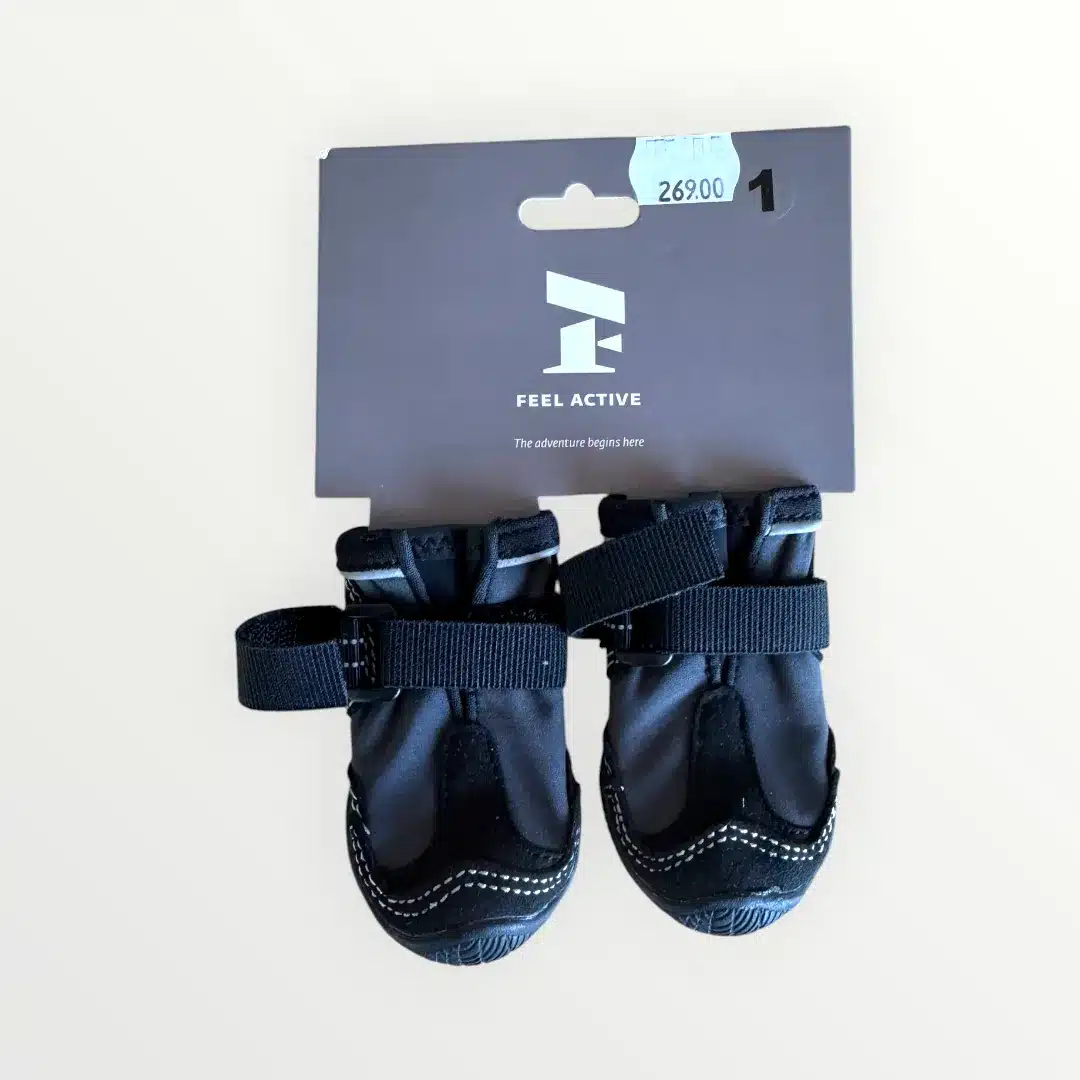
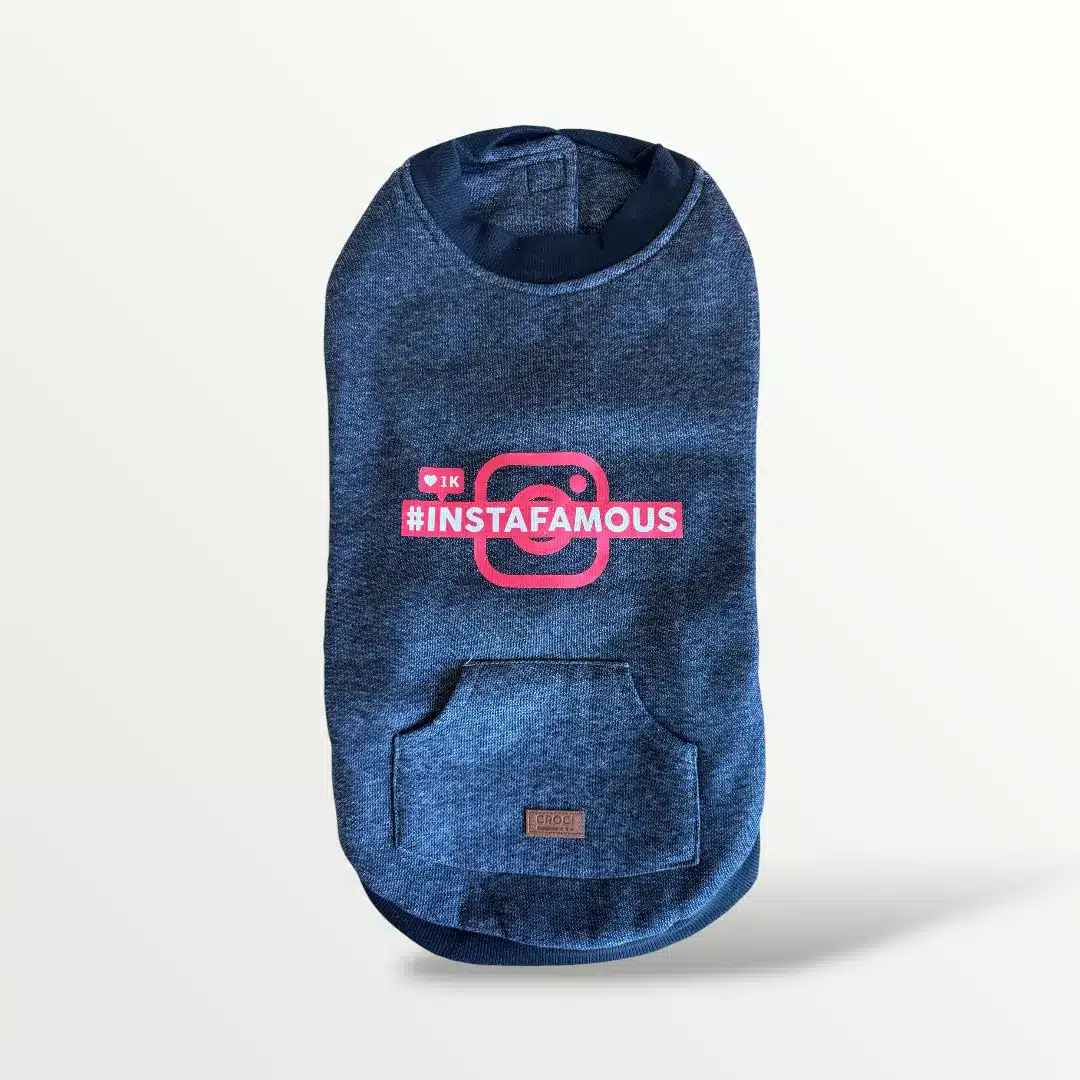
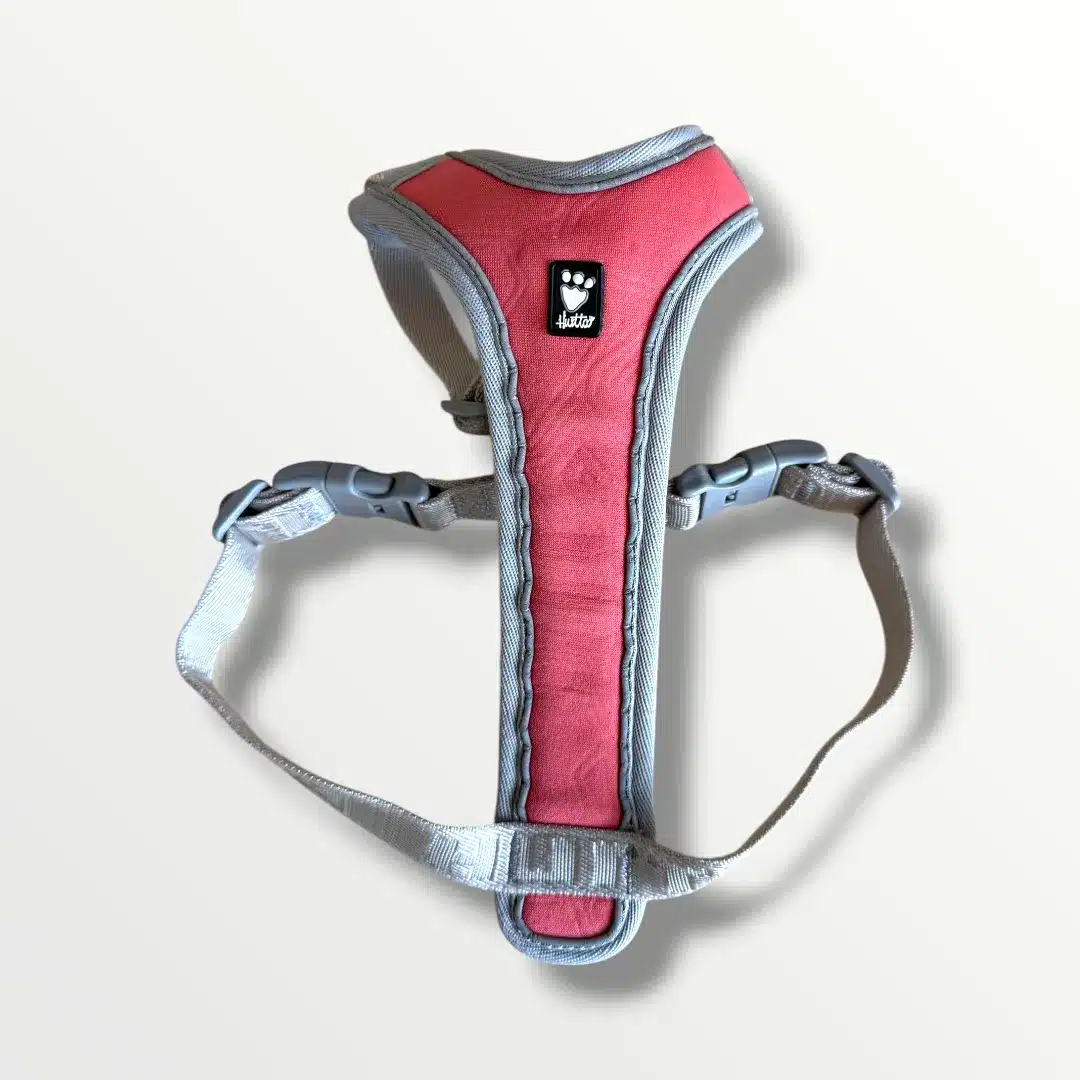
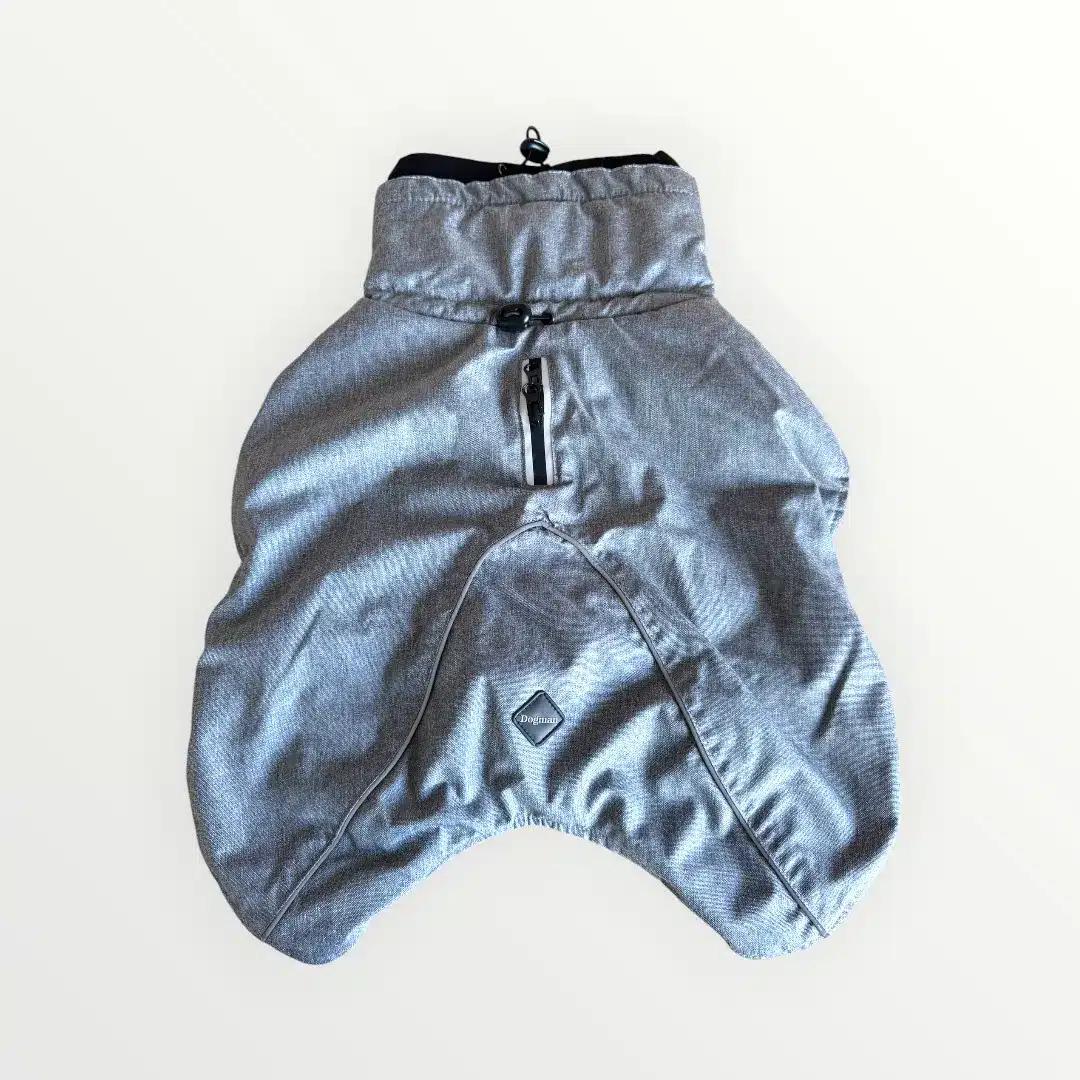
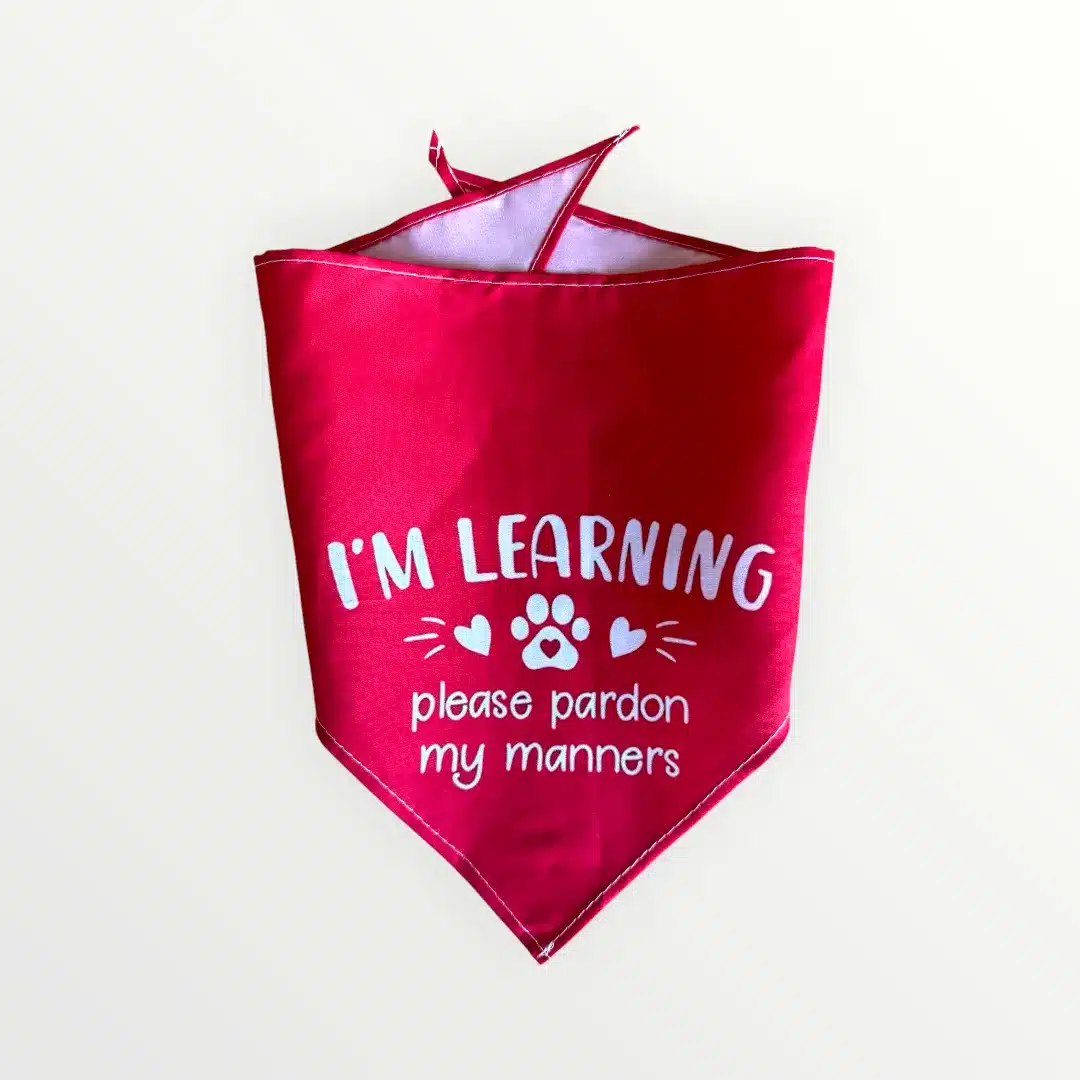
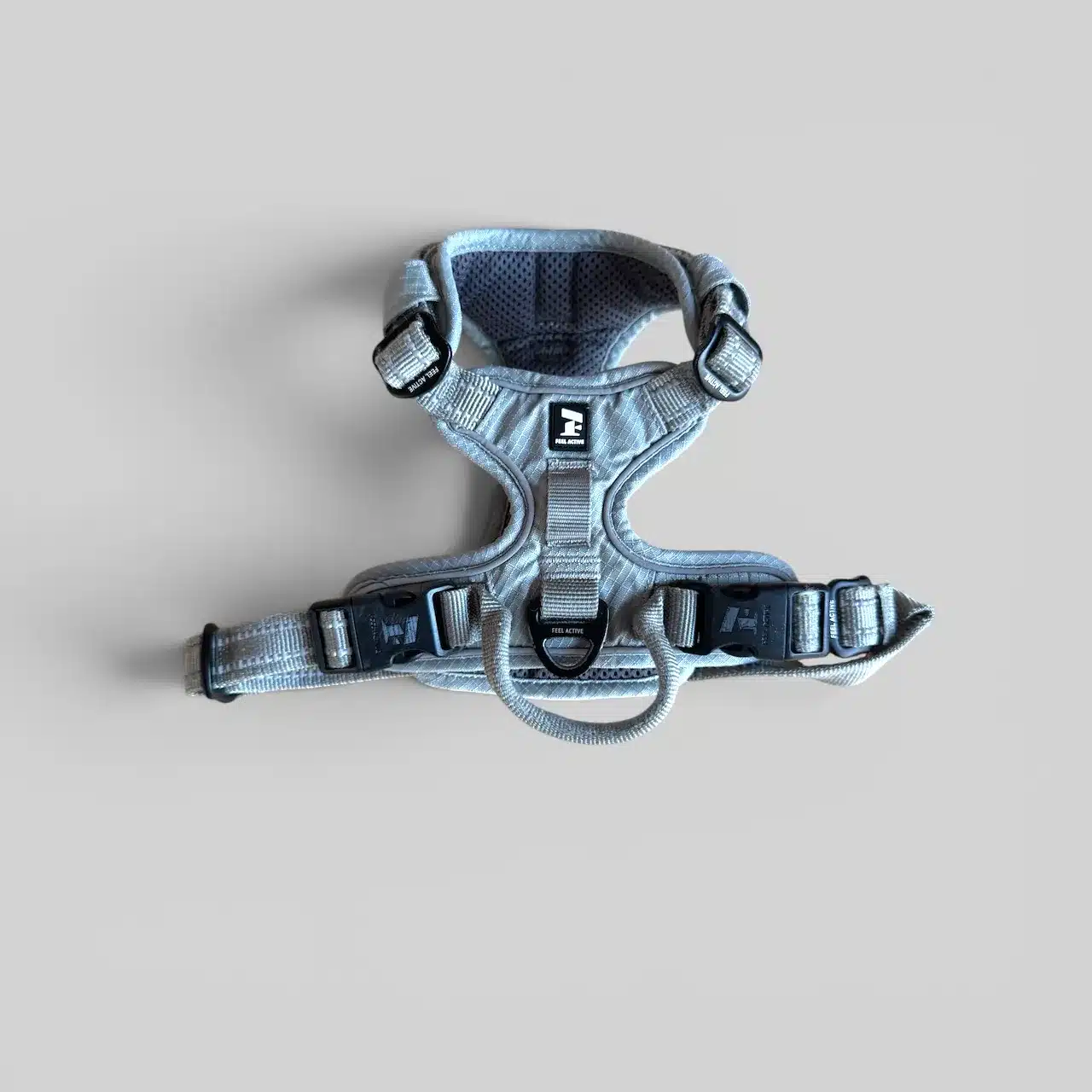
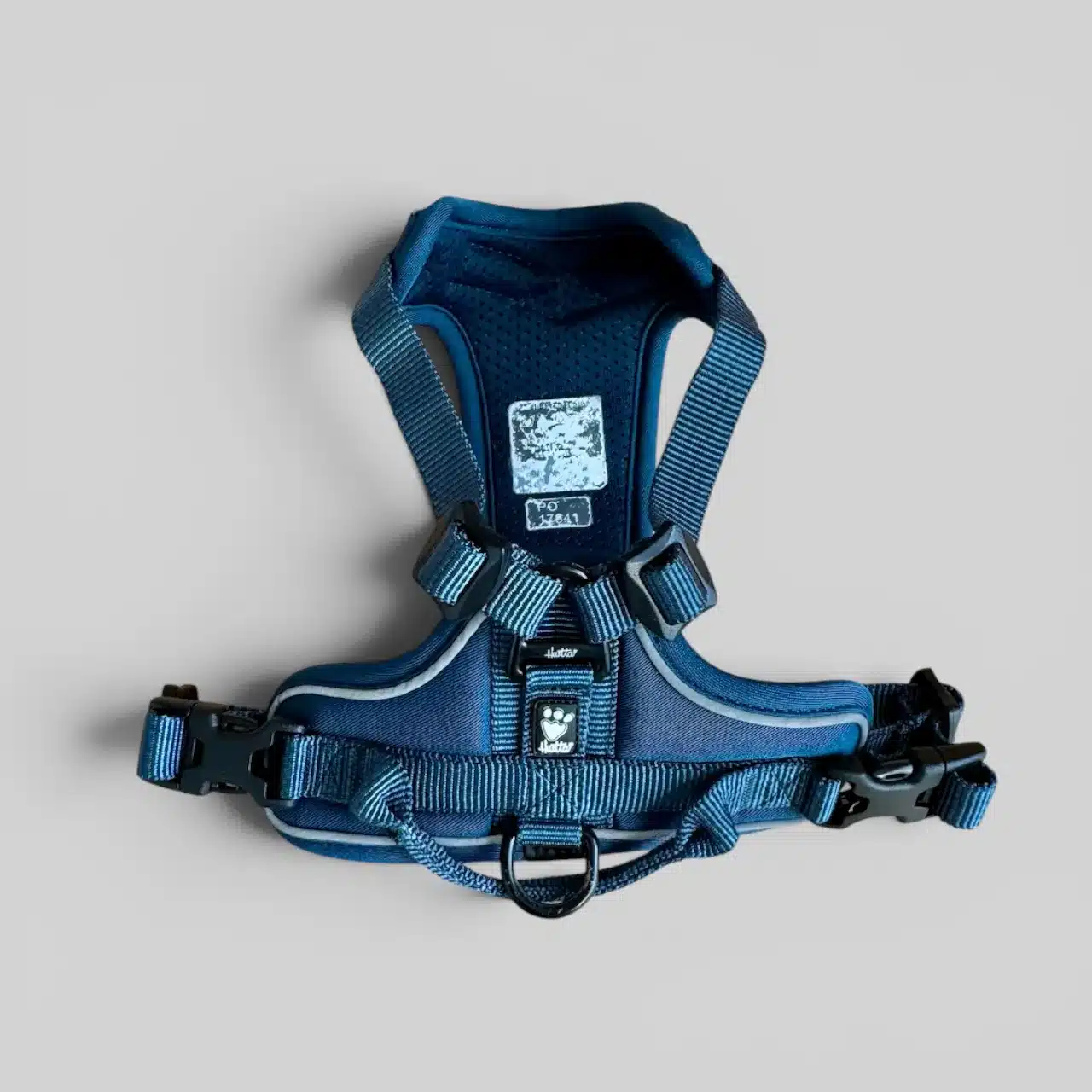
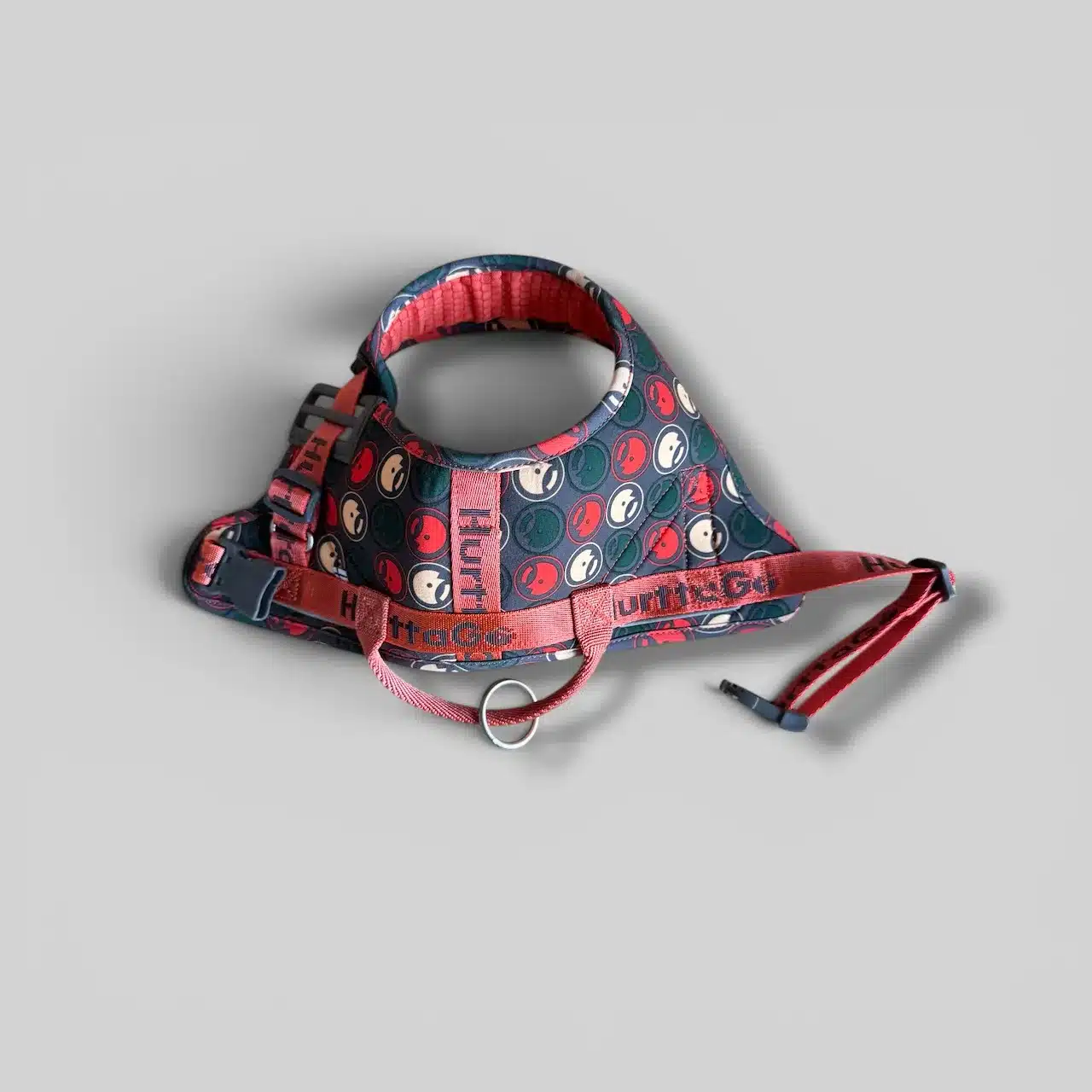
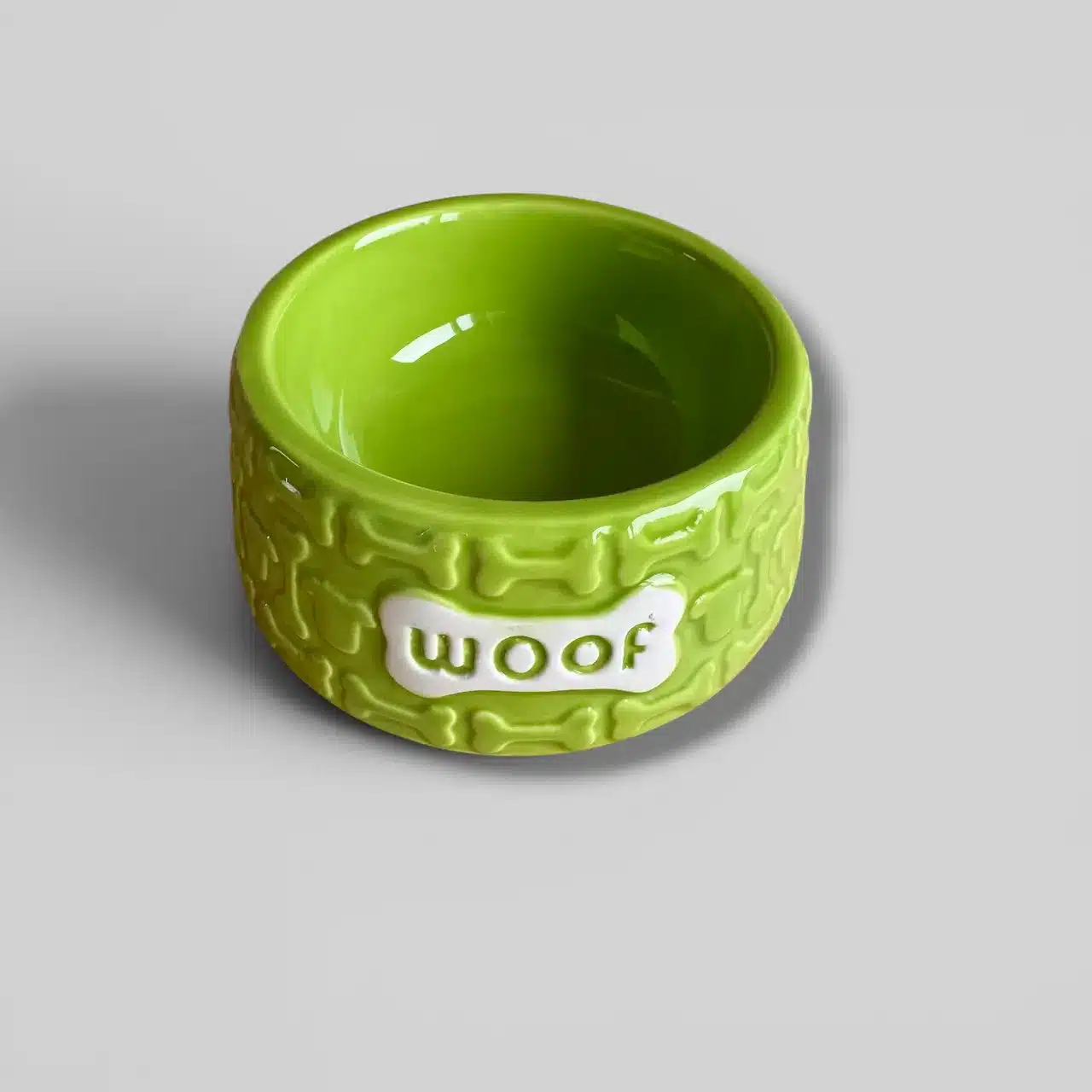
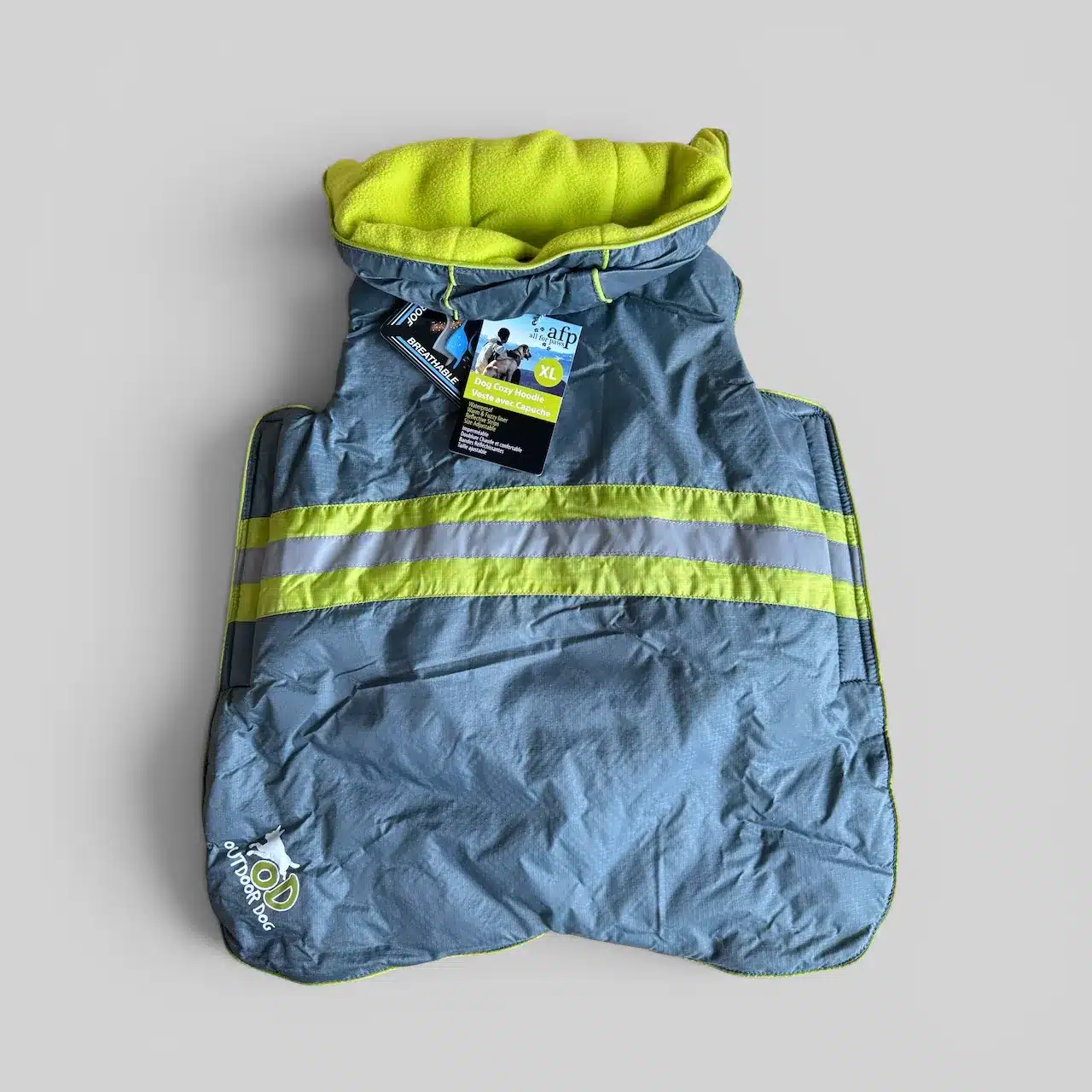
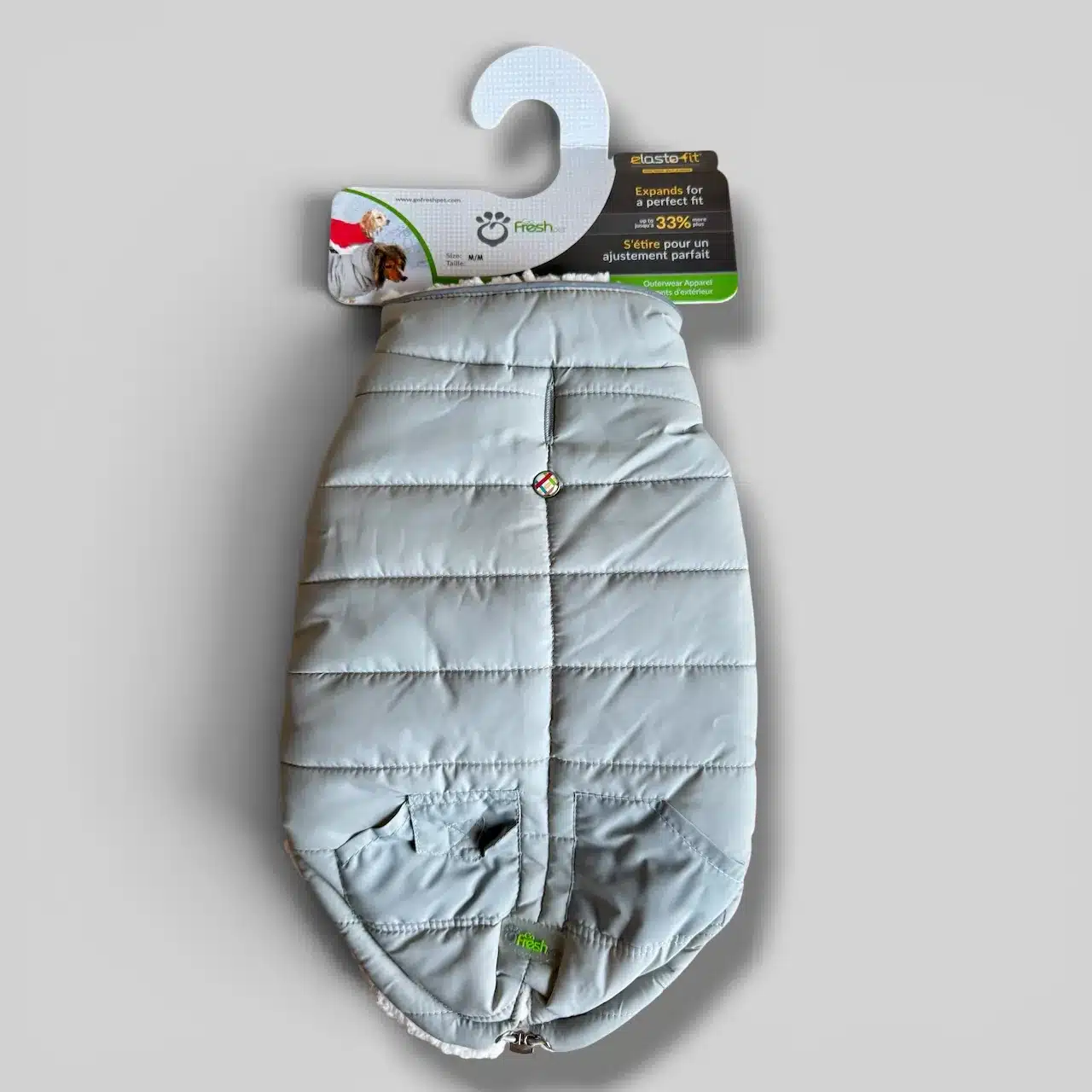
Free returns
Try on at home at your leisure – returns are always free.
Content: Selected for pets
Every recommendation should be suitable for dogs and cats.
Circular choice
Second-hand and handmade finds reduce unnecessary new purchases.
♻️ Circular impact By choosing sustainable materials and reusing, you contribute to a circular economy. A well-maintained garment or accessory can live on with a new friend.