Beyond the Julius K9 Harness: A Sustainable Fit Guide
Summary: A Julius-K9 harness requires correct fitting, especially compared to Y-harnesses. Consider materials like nylon or neoprene, second-hand options, and EU safety standards for both dogs and cats.
Julius-K9 & Other Brands: New vs. Used & Sustainable Materials
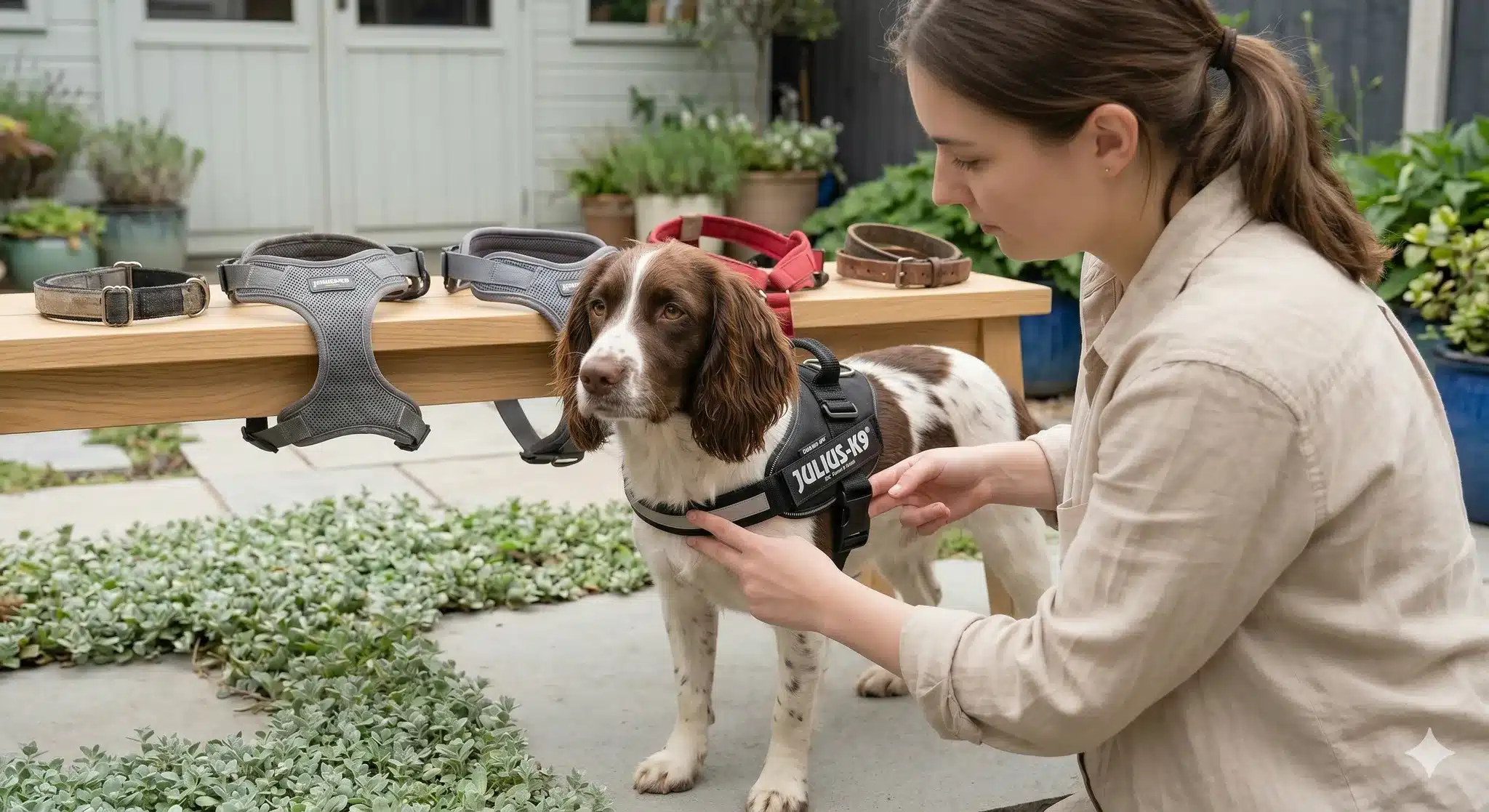
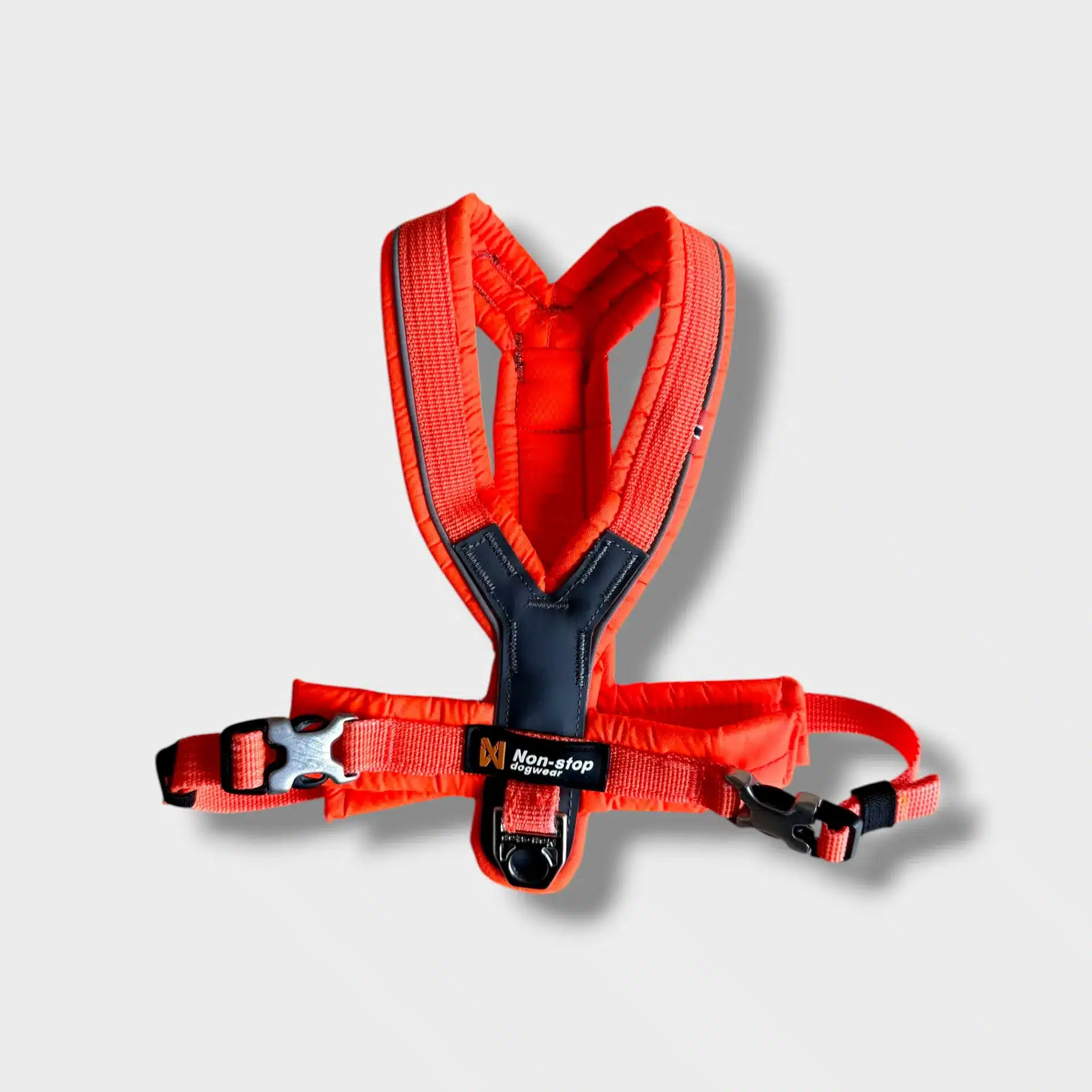
What to know about popular brands: The Julius-K9 brand, particularly its IDC Powerharness, has become a common sight in European parks and cities for good reason. These K9 harnesses are known for their robust construction, featuring durable, water-repellent nylon, a strong handle on the back for extra control, and customisable patches. However, they are just one of many excellent options. Brands like Non-Stop Dogwear, born from the world of professional sled dog racing, offer high-performance Y-harnesses designed for pulling sports and maximum freedom of movement. For eco-conscious owners, brands like Woolly Wolf craft their gear, including the Woolly Wolf harness, from recycled PET bottles, offering a sustainable choice without compromising on style or durability. Simpler, everyday options from brands like Happy Dog or Woofy provide comfort and reliability for daily walks. The key is to look beyond the brand name and focus on how the harness's design and materials suit your specific pet's needs, whether it's the ergonomic fit of a dog Y-harness for an athletic companion or a soft, padded harness for a leisurely urban walker. Comparing these brands reveals a focus on different priorities, from ruggedness to athletic performance to sustainability.
The second-hand advantage and what to check: Buying a second-hand dog or cat harness is an excellent way to reduce your environmental footprint and access high-quality brands at a lower cost. Given the durability of well-made harnesses, many have significant life left in them. However, a thorough inspection is critical for safety. Start with the hardware: check all buckles and D-rings for cracks, rust, or distortion. Fasten and unfasten every buckle multiple times to ensure it clicks securely and releases smoothly. Next, examine the fabric and stitching. Pay close attention to high-stress areas like where the D-ring is attached and around the buckles. Pull gently on the seams to see if any threads are loose or broken. Look for significant fraying on the nylon or neoprene webbing, which could indicate a weak point. Finally, give it a good sniff; lingering mildew or mould can be difficult to remove and may indicate improper storage or decay. When buying second-hand, you are looking for products that were designed to last, often adhering to high manufacturing standards, some of which are reflected in guidelines like the general product safety regulation EN ISO 13688 for protective clothing, which informs material and ergonomic quality in well-made equipment.
IDC Powerharness Style (e.g., Julius-K9)
Best for robust control, working roles, and dogs that don't pull excessively. Offers easy on/off.
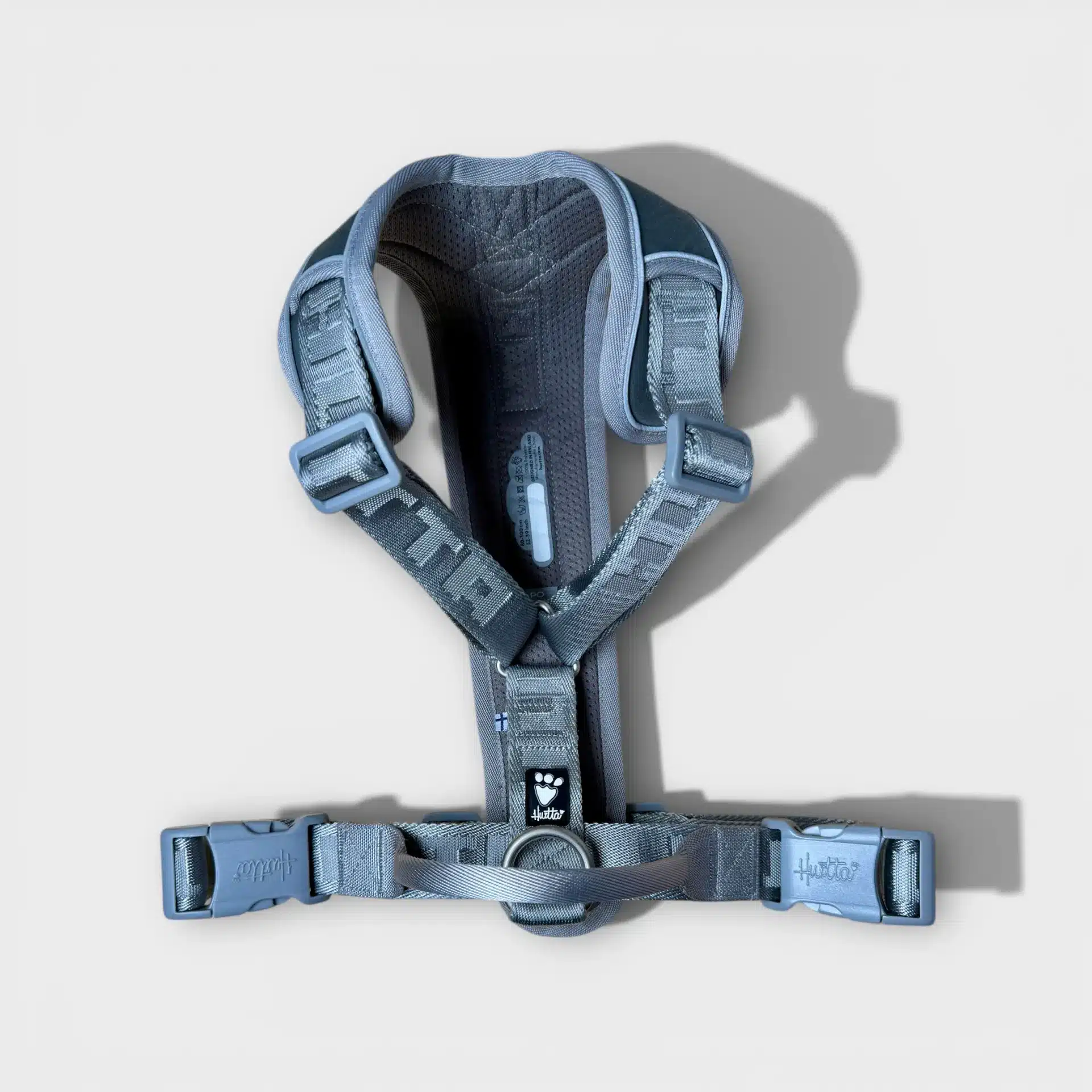
Y-Harness Style (e.g., Hurtta, Non-Stop)
Ideal for active dogs, long walks, and sensitive pets. Allows for unrestricted shoulder movement.
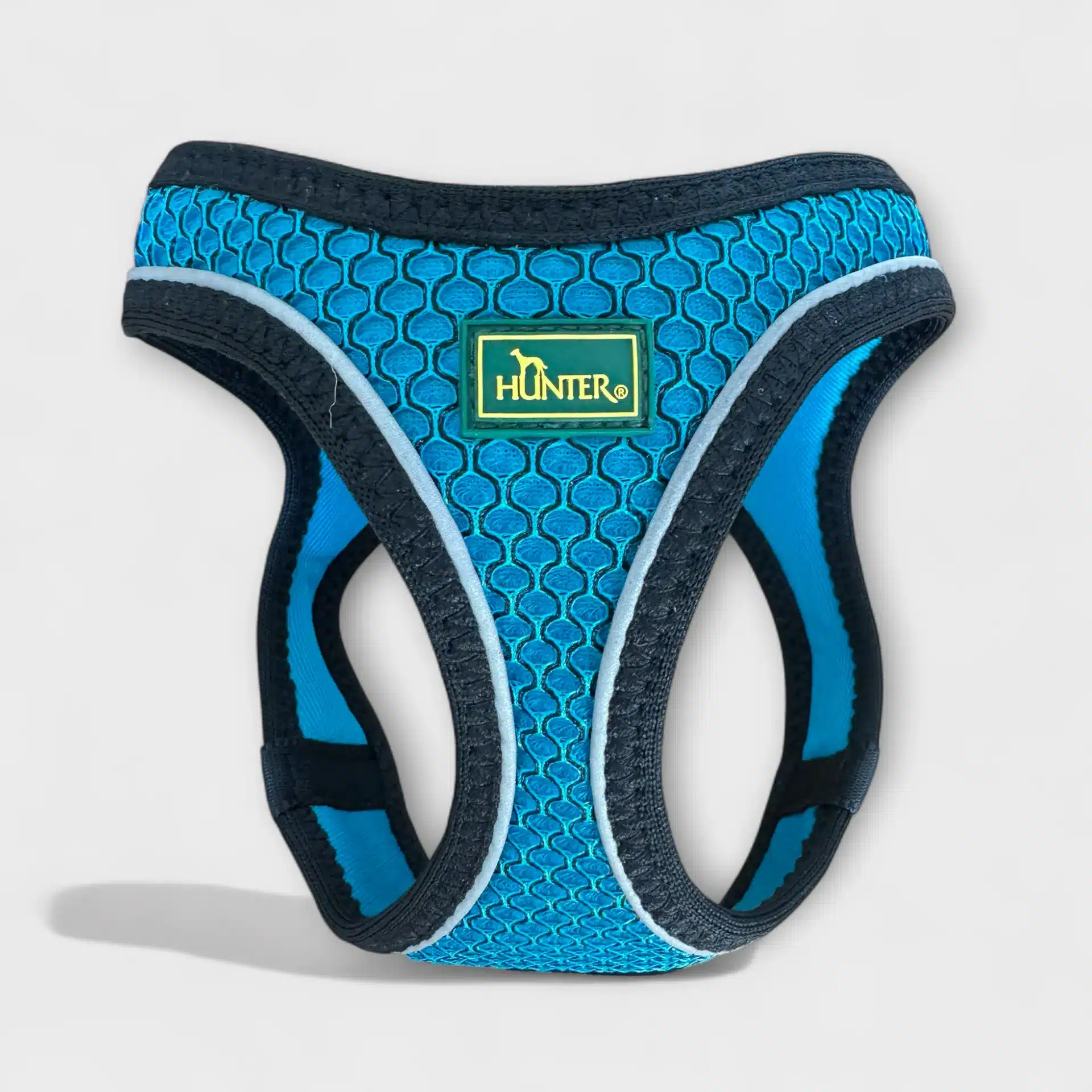
Step-In Harness Style (e.g., Hunter Hilo)
Excellent for small dogs, puppies, and pets who are hesitant about having a harness put over their head.
Use, Care & Maintenance: Extend Your Harness's Lifespan
Preparation is Key
Before washing, remove any detachable parts like custom patches or LED lights. Use a stiff brush to remove as much dried mud and pet hair as possible.
Hand-Washing for Longevity
The safest method is to hand-wash in lukewarm water with a mild, non-toxic detergent. Submerge the harness, gently agitate it, and use a soft brush on stubborn spots. This method preserves the integrity of the fabric and reflective materials.
Careful Machine-Washing
If the manufacturer's label permits, you can machine-wash the harness. Always place it inside a mesh laundry bag to prevent the buckles from damaging your machine or the harness itself. Use a gentle, low-temperature cycle.
Proper Drying
Never put a harness in a tumble dryer, as the heat can warp plastic buckles and damage the fabric. Always hang it to air dry, away from direct sunlight or radiators, which can degrade the material over time.
Knowing when to replace your harness is vital for safety. Regular inspections should be part of your routine. You must replace the harness immediately if you find cracked or broken buckles, as these can fail without warning. Check the webbing for significant fraying or areas that have been chewed, as this compromises its strength. Over time, UV exposure and repeated washing can weaken materials, even if no obvious damage is visible. If a harness becomes stiff, faded, or the adjustable slides no longer hold their position, it's time for a replacement. For growing pets, the need for a new harness is determined by fit; once you can no longer apply the 'two-finger rule' and the harness is at its maximum extension, it's too small. Proper storage also plays a role in longevity. Keep the harness indoors, away from direct sunlight and extreme temperatures. A well-maintained harness can last for years, but it's not a 'buy it for life' item. Prioritising your pet's safety by investing in a new one when signs of wear appear is a fundamental responsibility of pet ownership.
Cat Harnesses: Safety & Comfort for Outdoor Adventures
Why a harness is the only safe way to walk a cat: Unlike dogs, cats should never be walked on a collar and lead. Their delicate necks can be easily injured, and their slender heads and flexible bodies make escaping from a collar dangerously simple. A cat harness is the solution, providing a secure and comfortable way to let your indoor cat explore the outdoors safely. This controlled exposure can enrich their lives, providing mental stimulation and exercise while preventing them from getting lost, hit by a car, or encountering aggressive animals. It's also an invaluable tool for safely transporting your cat, whether for a vet visit or a move. The key is choosing a harness designed specifically for felines. These are typically lighter, softer, and constructed to distribute pressure across the chest and shoulders rather than the neck. The goal is to provide security without hindering the natural agility and movement of a cat, turning outdoor time into a positive bonding experience rather than a stressful event. Choosing the right gear is the first step in becoming a responsible partner in your cat's adventures.
Finding the best cat harnesses and encouraging your cat to wear one. The most secure and popular styles for cats are the H-harness, which has straps that form an 'H' shape across the back, and the vest-style harness, which offers more coverage and can be more difficult to escape from. These so-called 'escape-proof' vests are often considered the best cat harnesses for particularly wriggly or nervous felines. Sizing is critical; measure your cat's chest girth behind the front legs and consult the manufacturer’s chart. A proper fit allows no more than a finger's width of space. Introducing the harness should be a gradual, positive process. Start by leaving the harness near your cat's food bowl or favourite sleeping spot for a few days. Then, drape it over their back for a moment, offering treats and praise. Slowly progress to fastening the buckles for short periods indoors, always associating the harness with positive reinforcement. Only when your cat is comfortable moving around the house in the harness should you attach a lead and begin short, quiet excursions outside. Patience is paramount; pushing a cat too quickly can create a lasting negative association.
Free returns
Try at home with confidence — returns are always free.
Pet-first picks
Every recommendation is made for dogs, cats or small pets.
Circular choice
Second-hand and handcrafted finds reduce unnecessary new production.
♻️ Circular Economy Impact Opting for a durable or second-hand harness reduces textile waste, conserving the thousands of litres of water used to produce new materials and lowering CO2 emissions from manufacturing and transport.