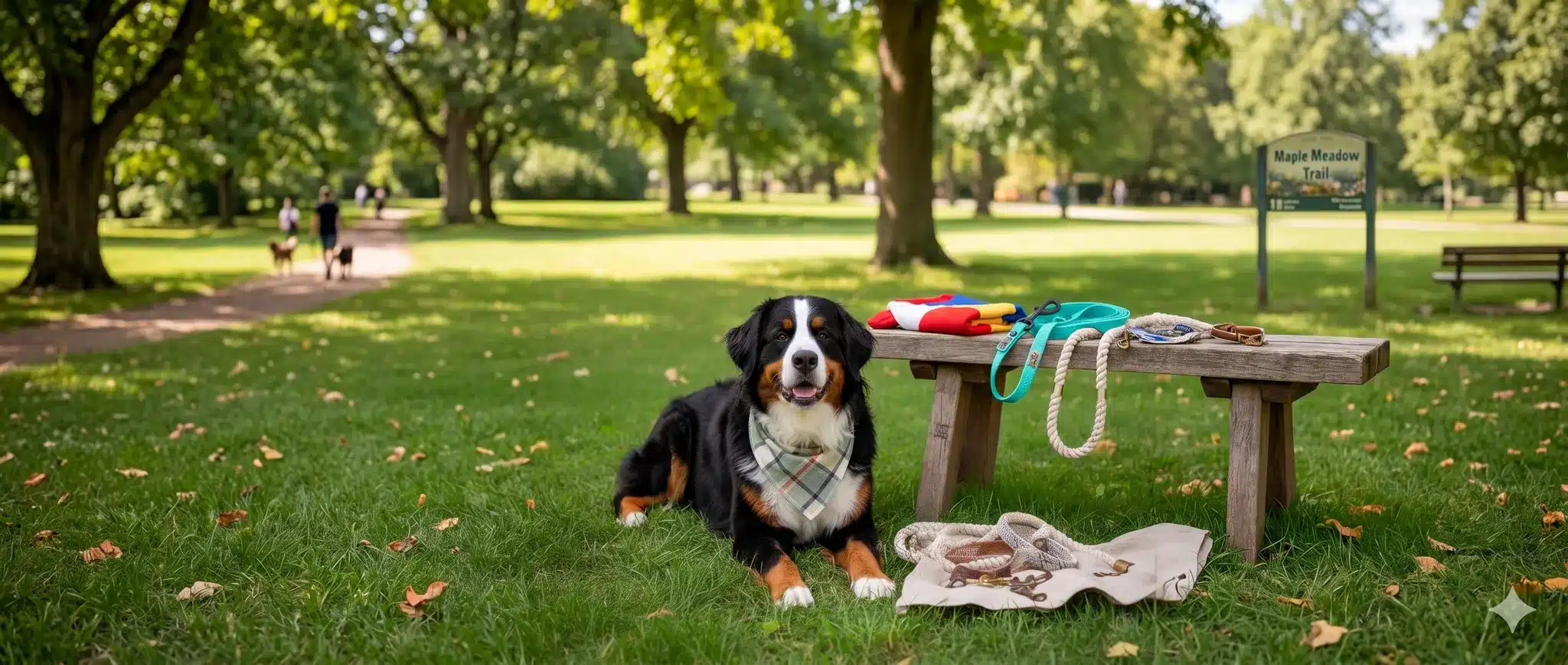
Summary: Bernese Mountain Dogs are gentle giants perfect for families, requiring specific care. Opt for durable, second-hand, or handcrafted supplies for sustainable ownership.
Bringing Home a Bernese: Understanding Temperament and Needs
Key takeaway: The Bernese Mountain Dog is a large, strong breed known for its gentle nature and loyalty, making it a wonderful family companion. Originating from the Swiss Alps, these dogs were bred for drafting and droving, which contributes to their sturdy build and intelligent, hardworking disposition. Adult Bernese typically weigh between 35-50 kg and stand 58-70 cm tall at the shoulder, demanding appropriately sized accommodations and equipment. Their thick double coat, designed to protect against harsh European winters, requires regular grooming to prevent matting and manage shedding. While generally good-natured, early socialisation and consistent training are crucial to harness their protective instincts and ensure they are well-behaved around children and other pets. Potential owners across Europe should consider their living situation carefully; while adaptable, a Bernese thrives with ample space, ideally a home with a secured garden, rather than a small apartment. Their moderate exercise needs include daily walks and opportunities for play, but strenuous activity in hot weather should be avoided due to their dense coat. Understanding these foundational characteristics is essential for preparing a sustainable and fulfilling life with your Bernese.
The long-term commitment to a Bernese Mountain Dog, which typically has a lifespan of 7-10 years, also involves awareness of common health concerns prevalent in large breeds. For instance, hip and elbow dysplasia are significant orthopaedic issues, and reputable breeders will screen for these conditions. Other concerns include certain cancers and Gastric Dilatation-Volvulus (GDV), commonly known as bloat, which is a life-threatening condition for deep-chested dogs. Owners of Bernese Mountain Dogs, as well as related large breeds such as the St. Bernard, Newfoundland dog, and Tibetan Mastiff, should be vigilant about symptoms and discuss preventative measures with their veterinarian. Investing in well-designed, ergonomic supplies can also contribute to their health; for example, elevated food bowls can sometimes assist with digestion, though this should be discussed with a vet to assess its impact on bloat risk. Given their size and specific needs, selecting durable and sustainable supplies from the outset not only benefits the environment but also safeguards your dog's well-being and reduces the need for frequent replacements, offering a more responsible, long-term approach to pet ownership.
When welcoming a Bernese Mountain Dog, create a comfortable and secure baseline environment. Essential items include a spacious, durable bed, appropriately sized food and water bowls, and a sturdy lead and collar. Prioritise items made from recycled or natural materials to align with sustainable living practices from day one.
Eco-Friendly Essentials for Your Gentle Giant
What to check: When outfitting your Bernese Mountain Dog, the sheer size and strength of these animals necessitate supplies that are not only durable but also sustainably sourced. For beds and crates, choose generously sized options that allow your dog to stretch out comfortably. A large dog bed should provide ample cushioning and support, especially for breeds prone to orthopaedic issues like hip and elbow dysplasia. Look for beds with removable, washable covers made from robust, natural fibres such as organic cotton, hemp, or recycled synthetics, which are generally more environmentally friendly than conventional materials. Crates, if used, should be large enough for your Bernese to stand, turn around, and lie down easily. Heavy-duty metal crates or sturdy wooden alternatives are often more durable and can last through your dog’s lifetime, reducing waste. The same considerations apply when choosing for very large breeds like the St. Bernard or Newfoundland dog, whose substantial weight and size demand even more robust construction that can withstand years of use.
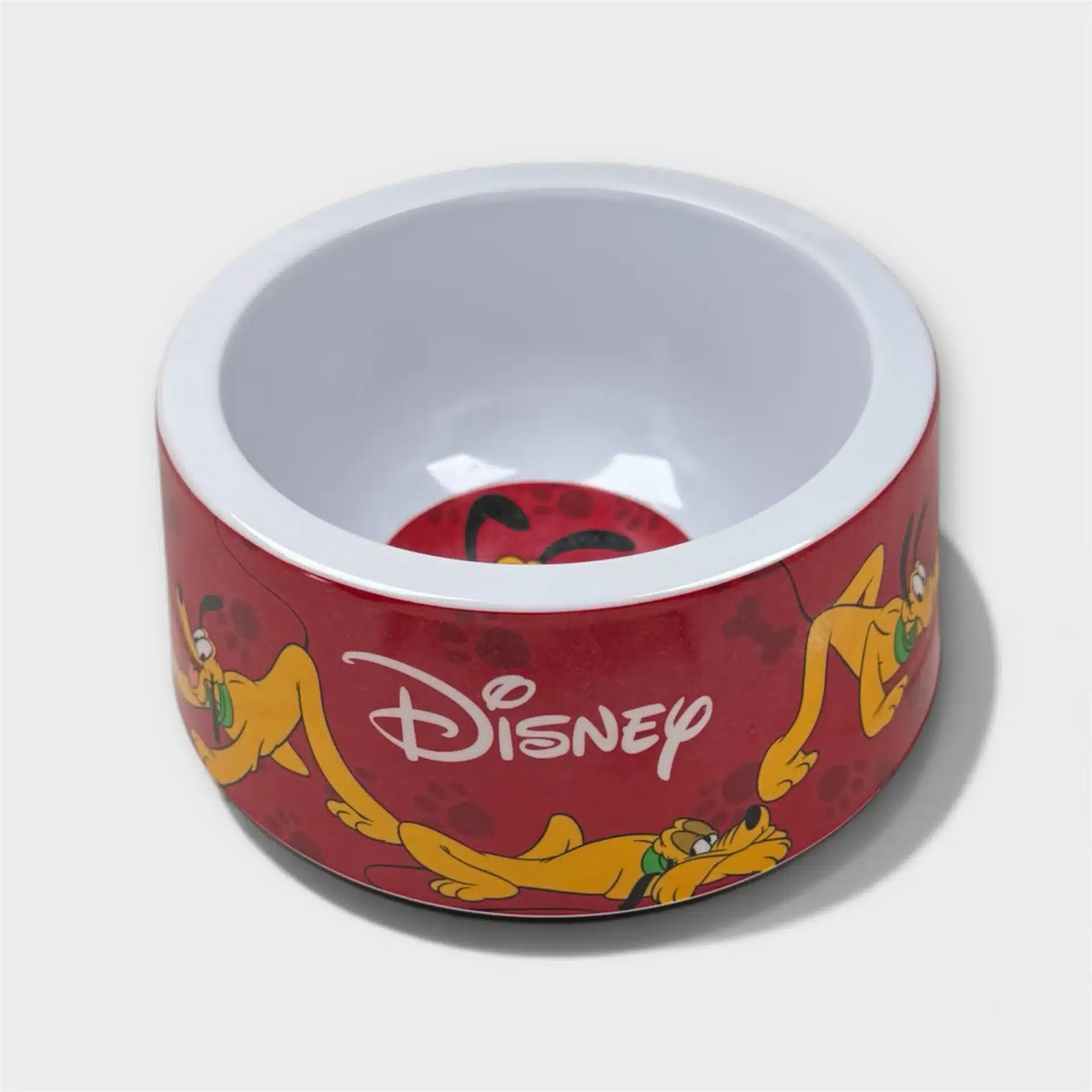
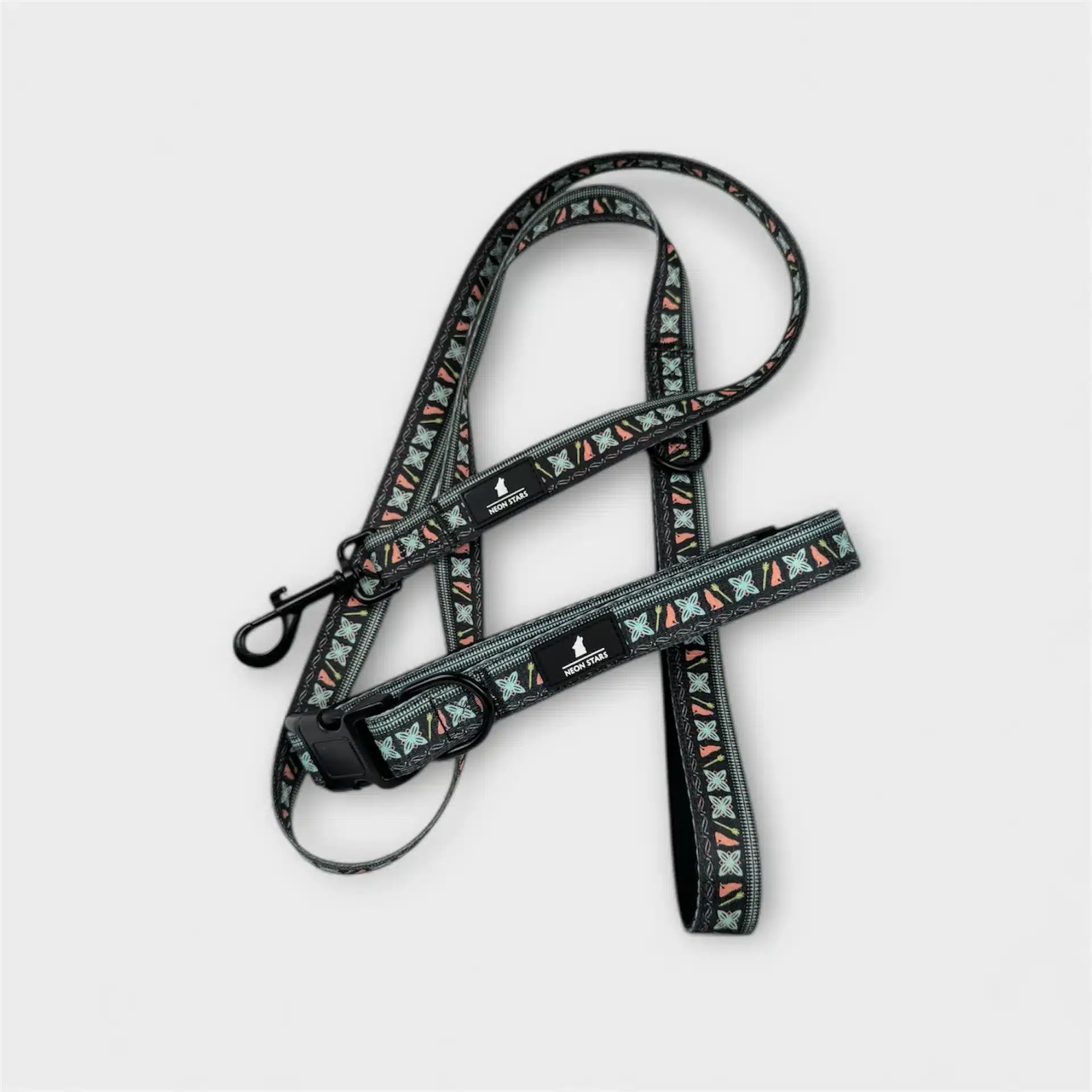
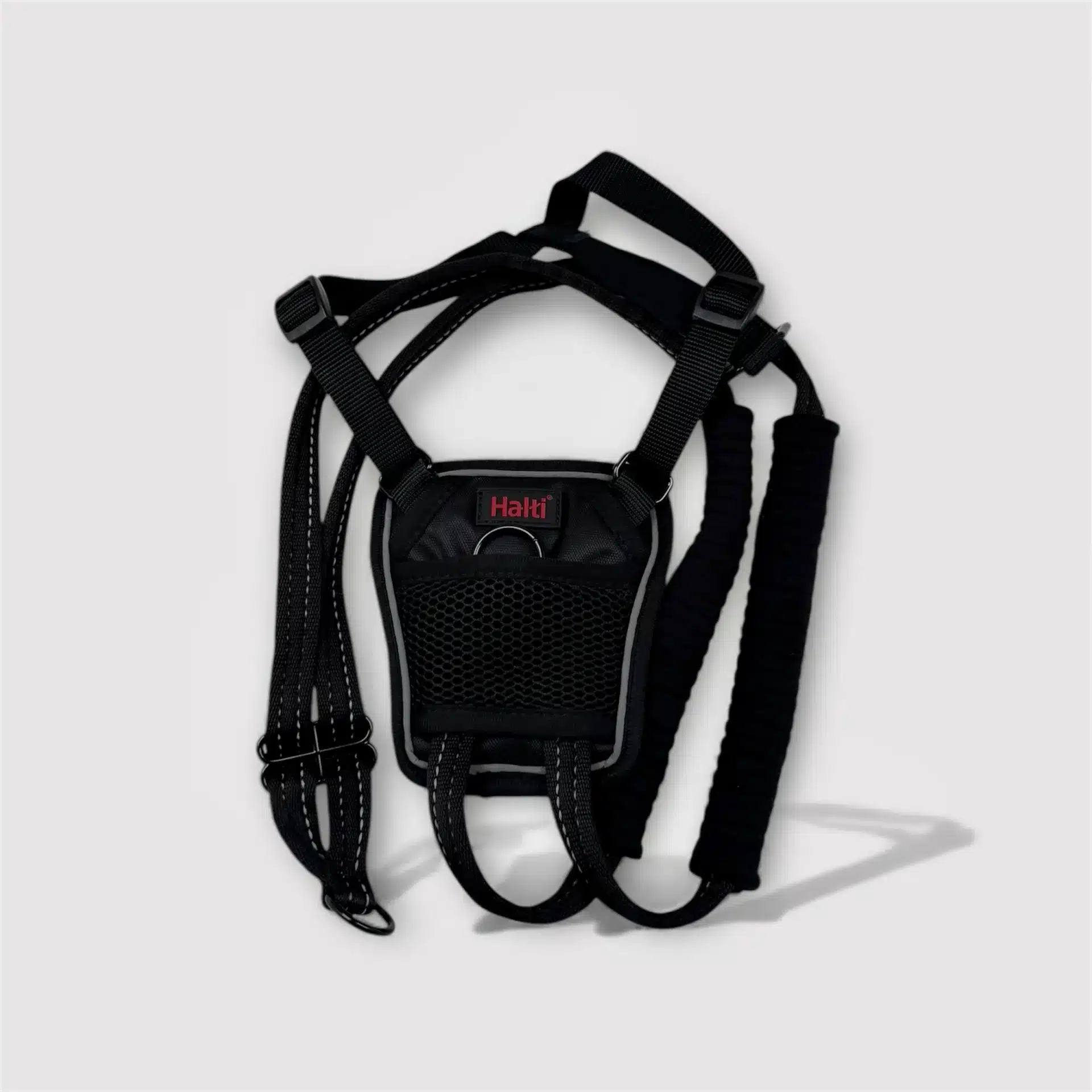
Collars, harnesses and leashes for a strong breed like the Bernese Mountain Dog must be exceptionally robust. Look for materials like thick, vegetable-tanned leather, heavy-duty nylon made from recycled plastics, or strong woven materials like hemp. Reflective leather dog collars, such as our available Reflective Leather Dog Collar, offer both durability and safety features. A well-fitting harness, which distributes pressure across the chest rather than the neck, is often preferred for large dogs to prevent strain. Opt for designs where all buckles and D-rings are solid metal, not plastic, for maximum security and longevity. Food and water bowls for Bernese Mountain Dogs should be made from stainless steel or ceramic, as these materials are hygienic, durable, and easy to clean, unlike plastic which can degrade over time and harbour bacteria. Consider Slow Feeder Bowls for dogs prone to gulping their food, as these can help prevent digestive issues like Gastric Dilatation-Volvulus (GDV). The overall benefit of choosing robust and repairable products is a reduction in consumption, which aligns perfectly with sustainable living principles and the broader goals of environmental protection within the European Union.

The Smart Choice: Navigating Second-Hand Pet Supplies
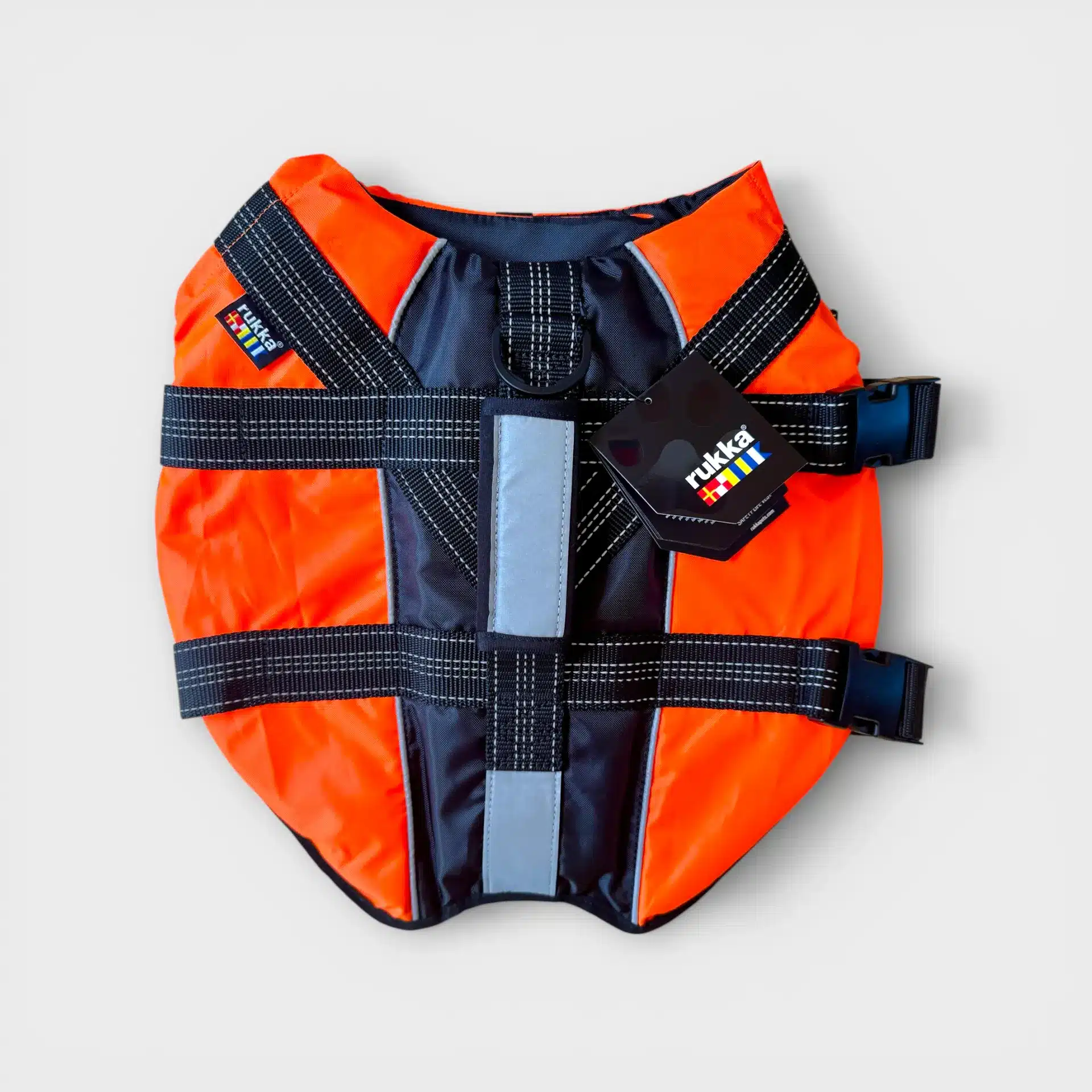
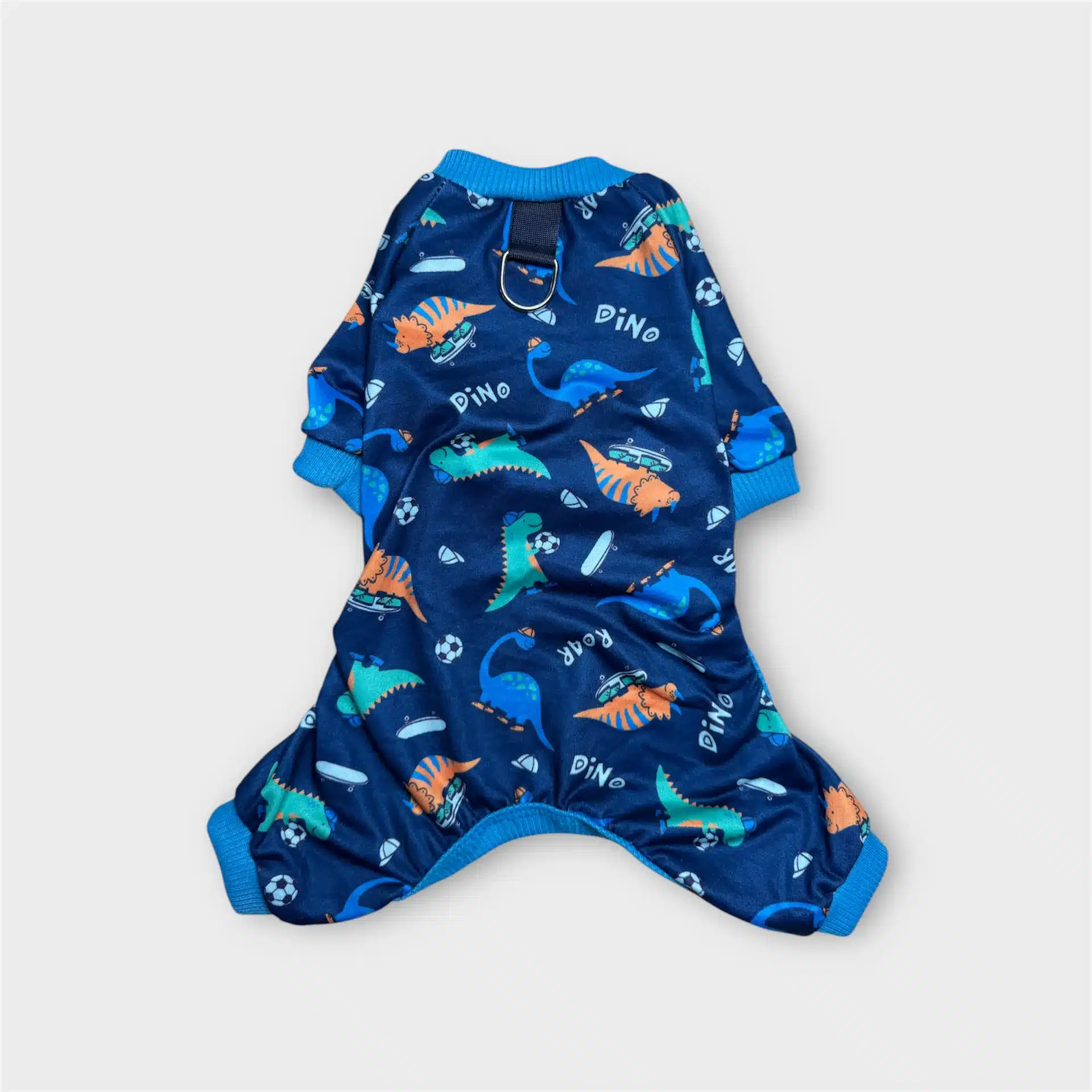
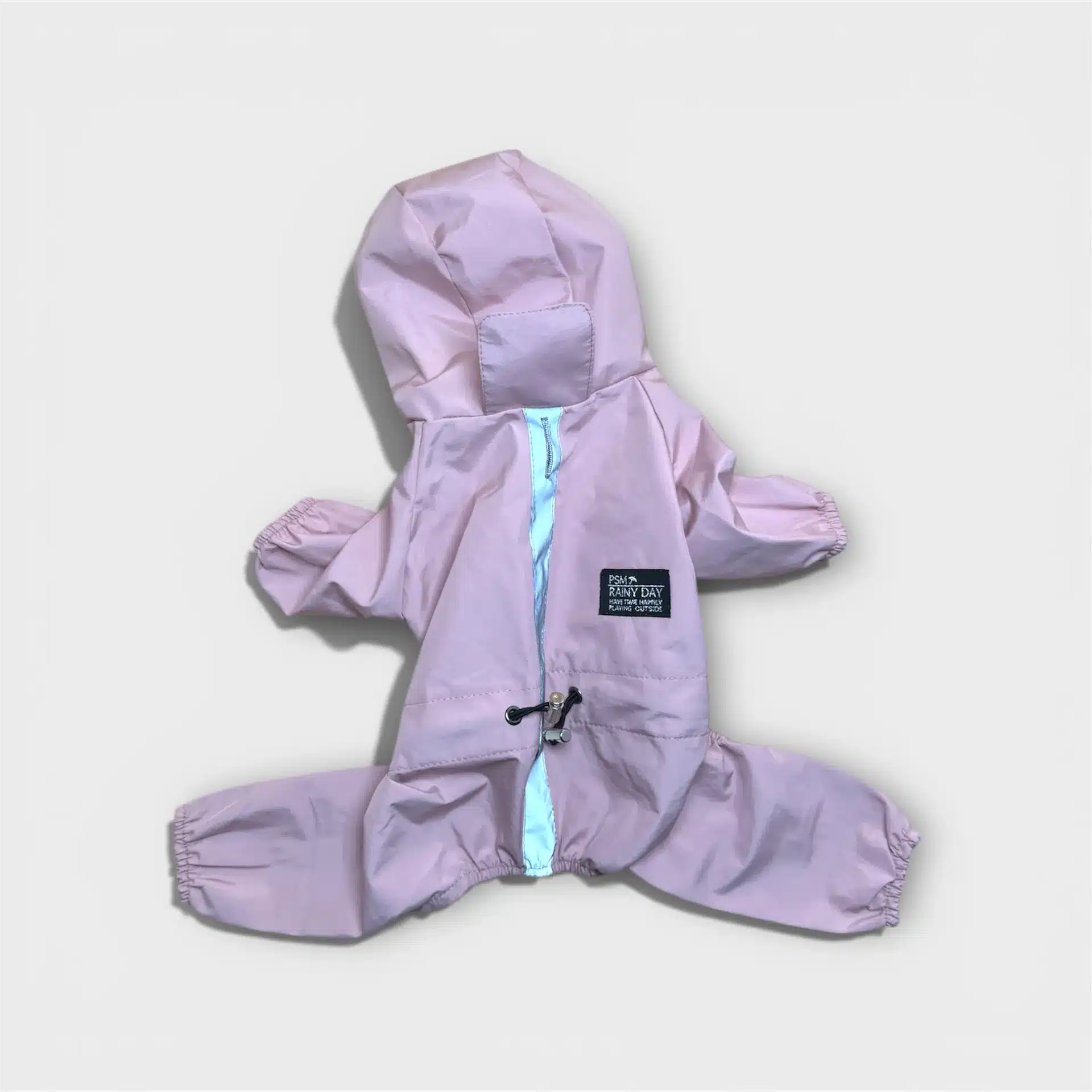
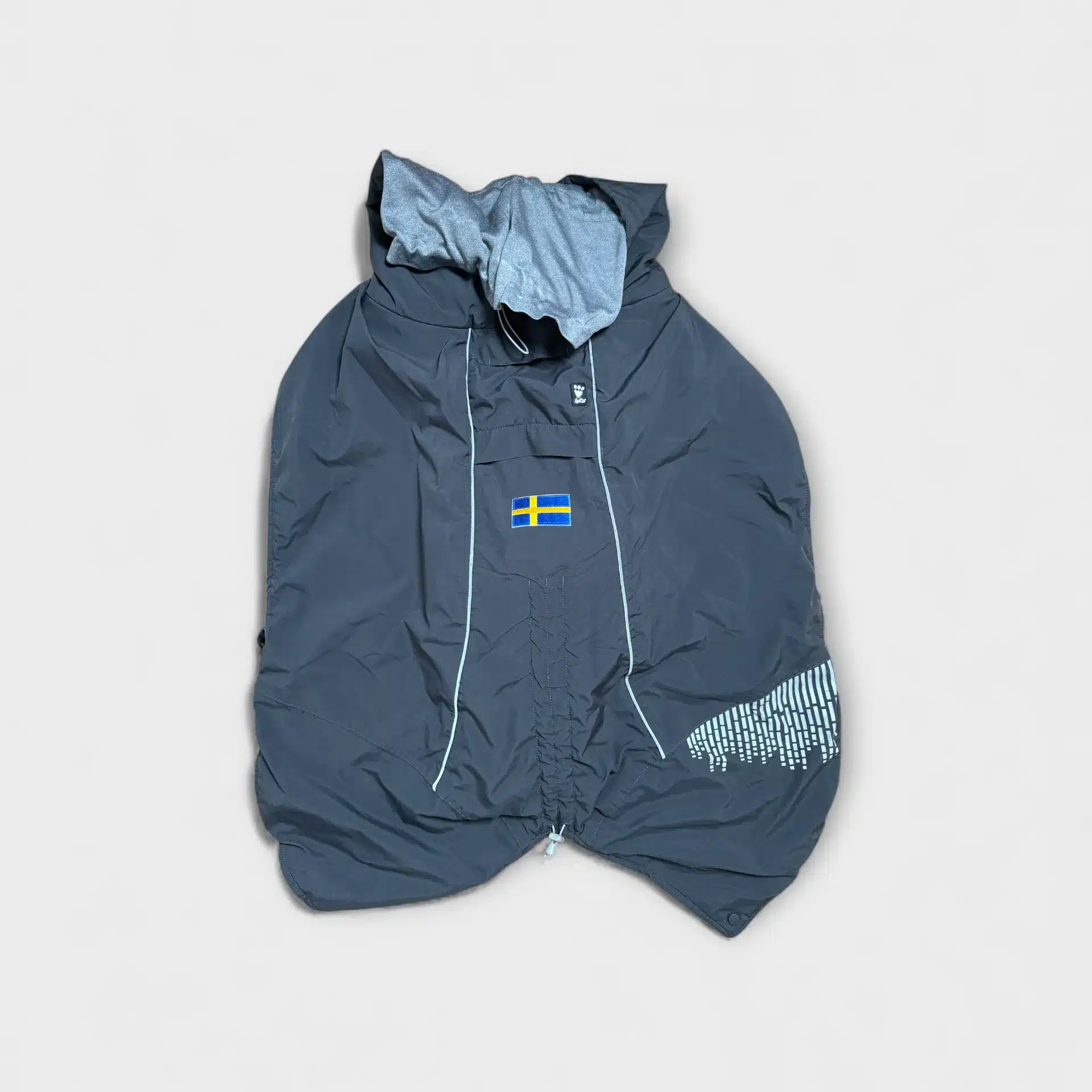
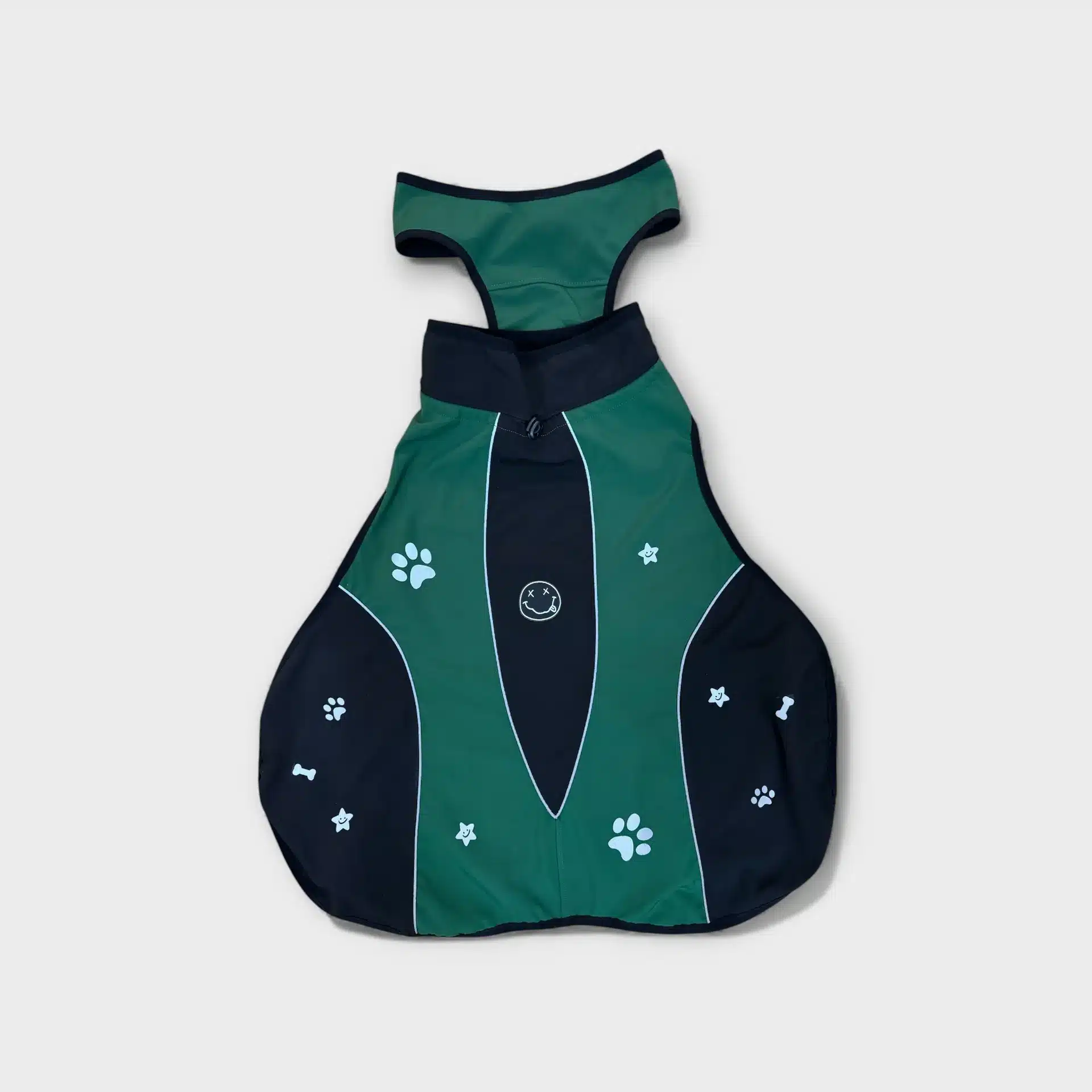
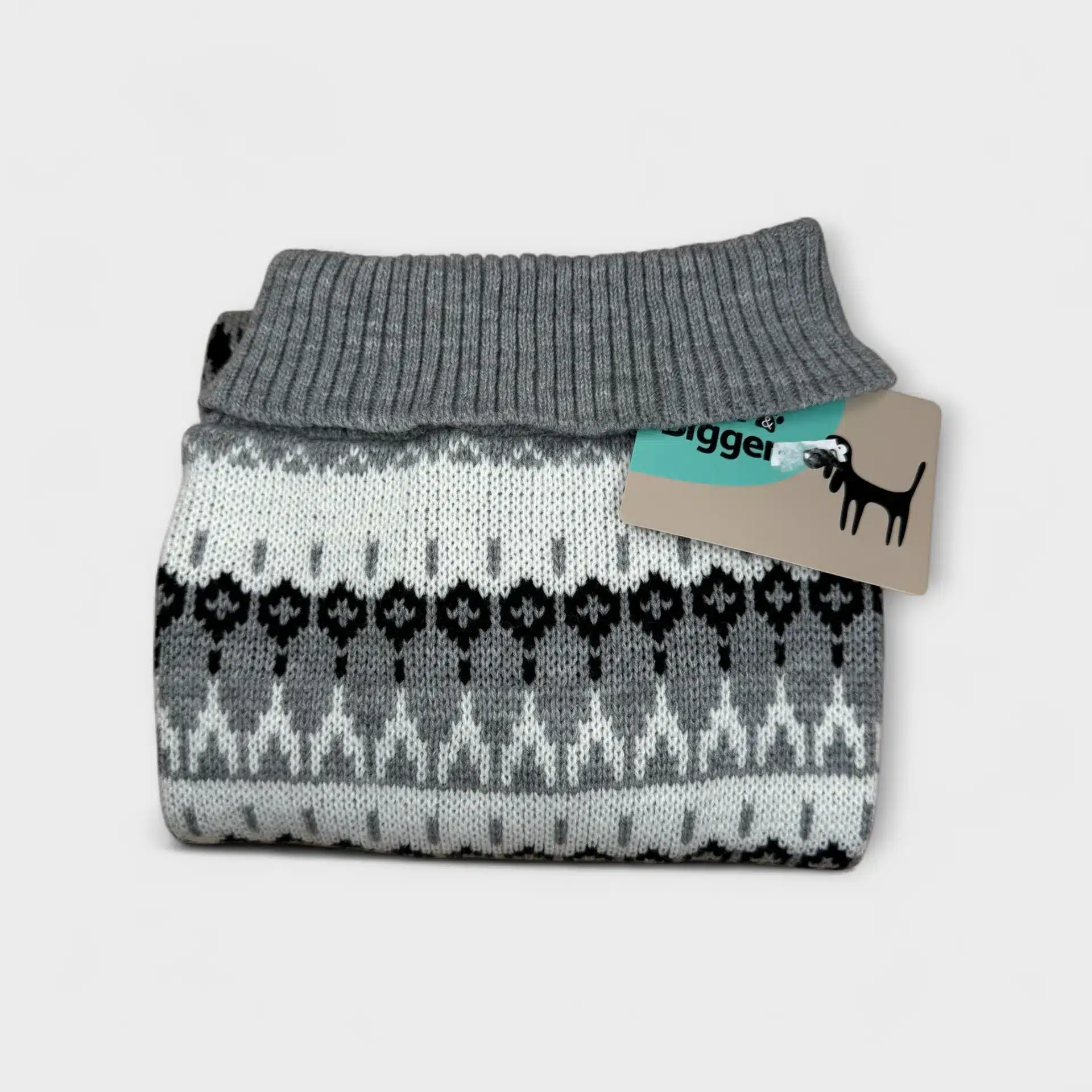
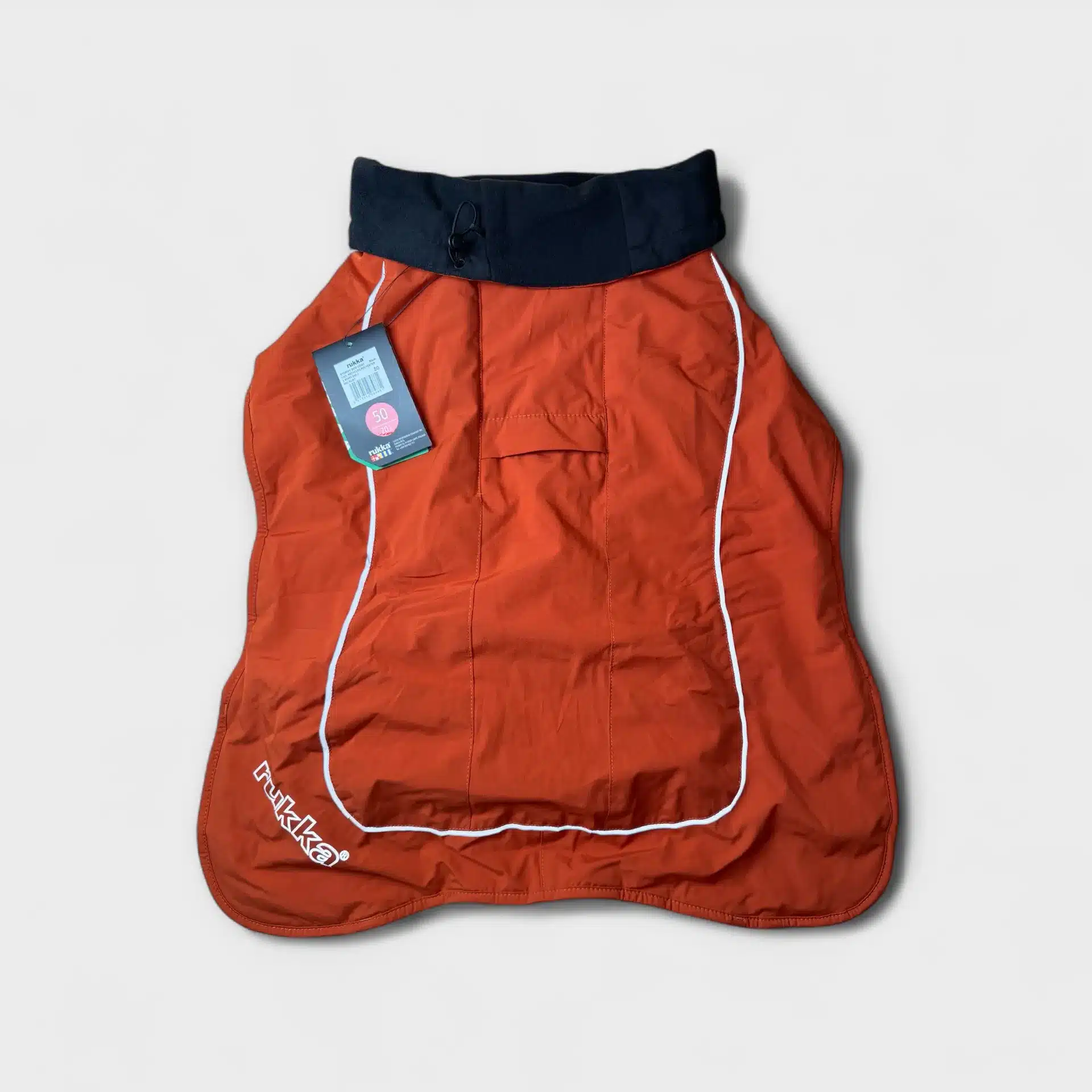
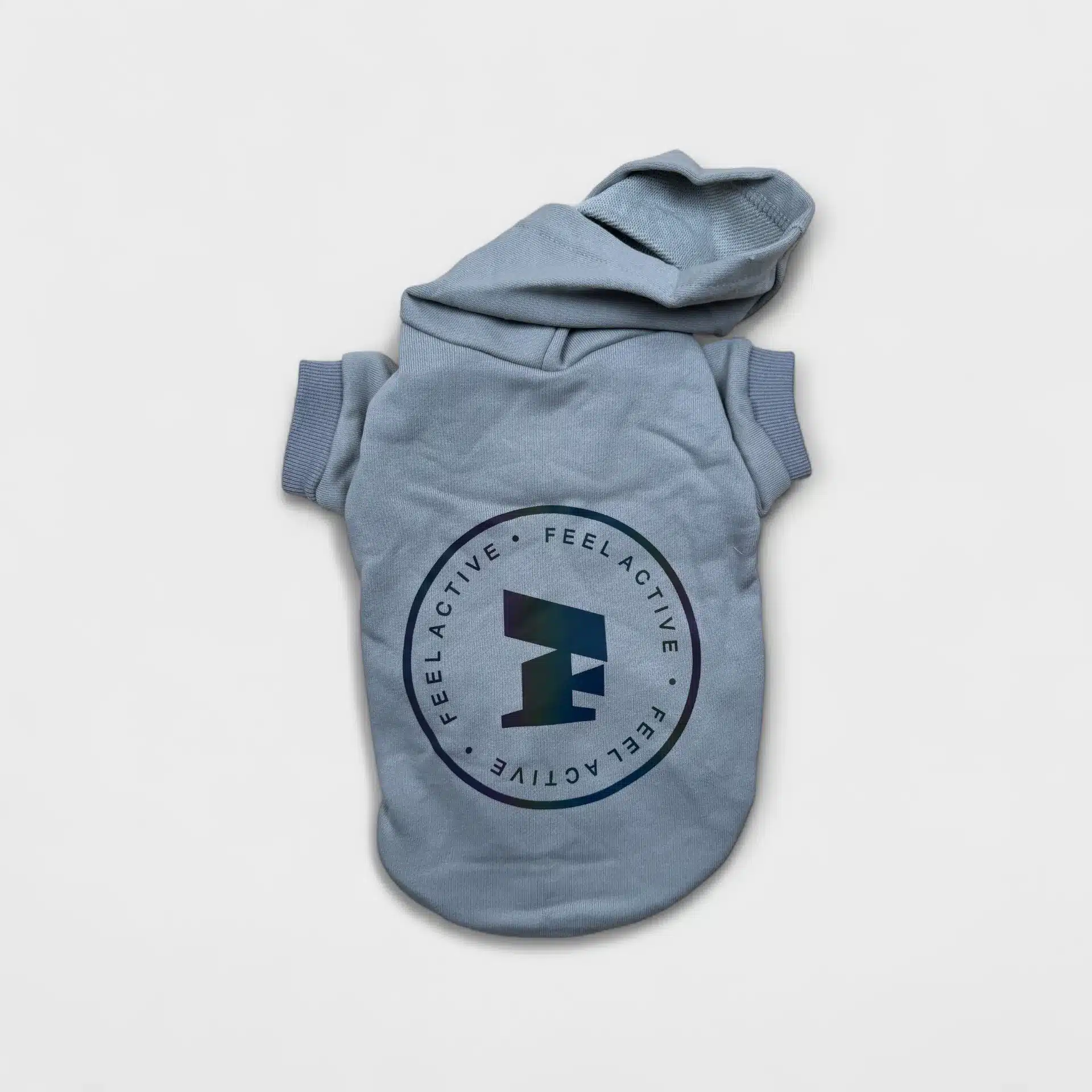
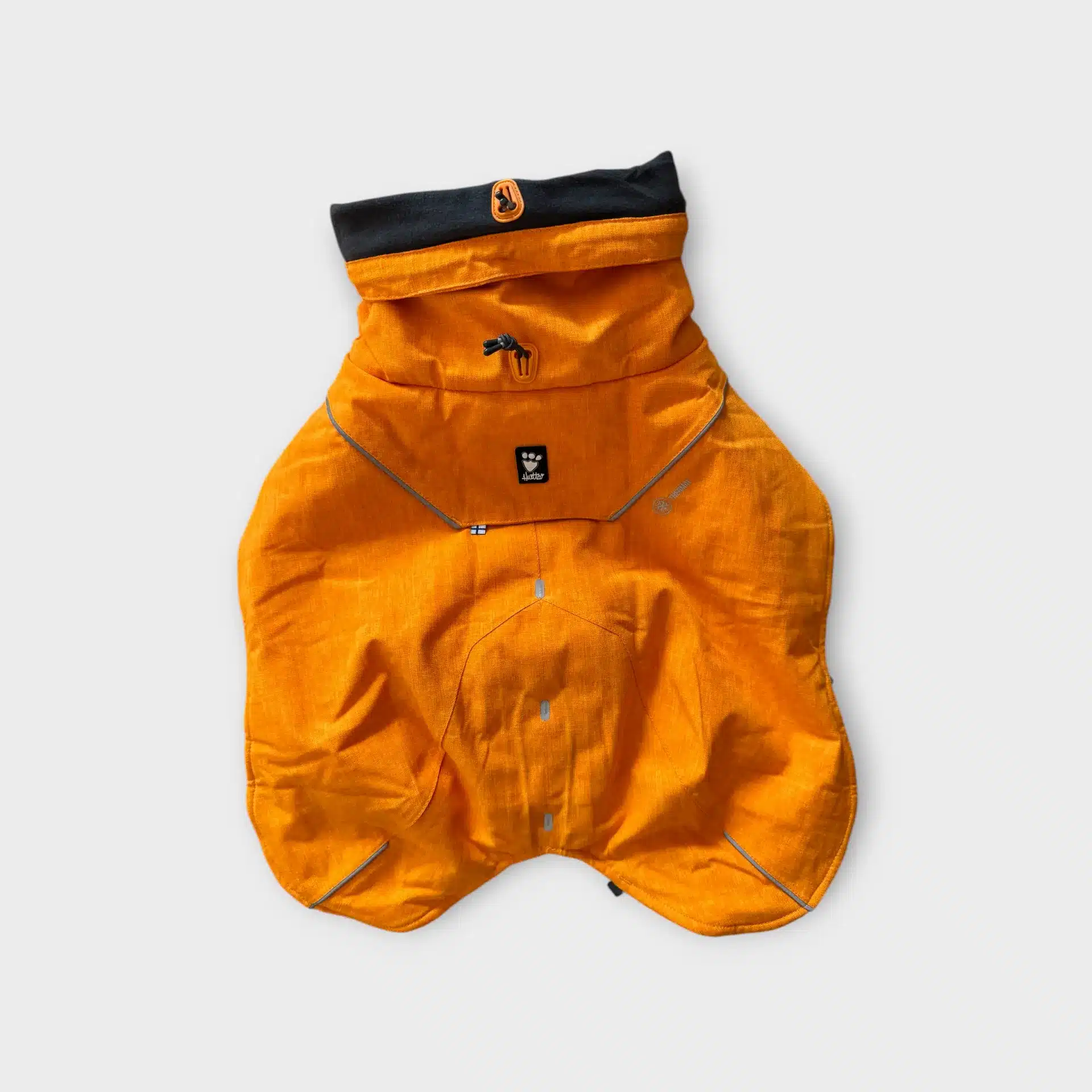
Key takeaway: Opting for second-hand pet supplies, especially for large items needed by a Bernese Mountain Dog, offers significant environmental and financial advantages. Large dog beds, crates, and even some apparel like dog jackets for larger sizes can be considerably more expensive when bought new. By choosing pre-loved items, you contribute to the circular economy within the EU, reducing demand for new manufacturing and diverting usable goods from landfill. This approach lessens the environmental burden associated with raw material extraction, production, and transportation. When inspecting second-hand beds and crates, pay close attention to structural integrity. For beds, check for deep indentations, tears, or excessive wear that might compromise comfort and support for your Bernese's joints. Crates should be free of significant rust, bent bars, or broken latches that could pose a safety risk. For example, a Dark Blue Used Dog Jacket 52-59 cm can provide excellent value, but always ensure fasteners are secure and fabric is intact. Always perform a thorough inspection, just as you would for any significant purchase.
Hygiene is paramount when acquiring second-hand items. All textile products, such as beds, blankets, and fabric covers, should be meticulously cleaned. Machine wash at the highest possible temperature suitable for the fabric, using a pet-safe detergent, or steam clean where appropriate. Hard surfaces like plastic or metal bowls and crates should be disinfected thoroughly with a household cleaner or a diluted bleach solution, ensuring all traces are rinsed off before use. When assessing wear and tear in used harnesses and collars, inspect stitching for fraying, buckles for cracks or weakness, and D-rings for signs of corrosion. The integrity of these components is crucial for the safety and control of a strong Bernese Mountain Dog. Avoid items with significant material degradation or an unknown origin, as these might not comply with EU product safety standards. While specific EU regulations for pre-owned pet products are less direct than for new items, the principles of general product safety still apply, meaning items should not pose an undue risk to health or safety. Always err on the side of caution; if an item looks unsafe or unhygienic, it’s best to pass on it rather than risk your pet’s well-being.
The European Union (EU) REACH regulations govern chemical substances used in products, aiming to protect human health and the environment. While REACH primarily applies to new products, choosing second-hand items made from materials certified under standards like OEKO-TEX certified fabrics can offer peace of mind regarding harmful substances, as these certifications indicate products are free from specific hazardous chemicals.
Maintaining a Sustainable Lifestyle with Your Bernese
Key takeaway: Extending the life of your Bernese Mountain Dog's essentials through proper care is a cornerstone of sustainable pet ownership. Regular cleaning and maintenance are key. For beds with removable covers made from robust, natural fibres, adhere to washing instructions to prevent shrinking or damage. Sturdy leather collars and harnesses benefit from periodic cleaning with a damp cloth and conditioning to keep the leather supple and prevent cracking. Metal hardware on leashes and harnesses should be checked for rust or wear and cleaned as needed. By consciously caring for your pet’s belongings, you not only ensure their longevity but also minimise the environmental impact of frequent replacements. For example, a well-maintained RomeoDog dog leash will last considerably longer than a neglected one. Furthermore, immediately addressing minor repairs, such as re-stitching a loose seam on a dog coat or tightening a buckle on a harness, can significantly extend an item's usability. This attention to detail reduces waste, aligns with the 'repair, rather than replace' ethos, and lightens your ecological footprint, which is a core tenet of circular economy principles across the EU.
Knowing when to replace an item for safety or hygiene is crucial. For beds, if the padding has lost its support, causing your Bernese to lie directly on a hard surface, it's time for a replacement to protect their joints. Collars and harnesses showing significant fraying, stretched material, or compromised buckles must be replaced immediately, as these failures could lead to a dangerous loss of control. Toys that splinter, have small detached parts, or are excessively chewed pose choking hazards and should be disposed of responsibly. When an item reaches the end of its useful life, consider eco-friendly disposal methods. Fabric items made from natural fibres can often be composted if thoroughly cleaned and unstained, or recycled at textile recycling points in many European municipalities. Metal components can usually be separated for metal recycling. The goal is to avoid landfill whenever possible. Beyond supplies, sustainable pet ownership encompasses responsible waste management, such as composting biodegradable dog waste, and making informed choices about your dog's food, opting for ethically sourced and environmentally friendly options. Celebrating the unique bond with your Bernese through conscious consumption fosters a deeper appreciation for both your pet and the planet.
Free returns
Try at home with confidence — returns are always free.
Pet-first picks
Every recommendation is made for dogs, cats or small pets.
Circular choice
Second-hand and handcrafted finds reduce unnecessary new production.
♻️ Circular Economy Impact Choosing second-hand and durable pet supplies significantly reduces textile waste and the carbon footprint associated with new product manufacturing. This supports a circular economy, diverting hundreds of tonnes of materials from landfills across the EU annually.