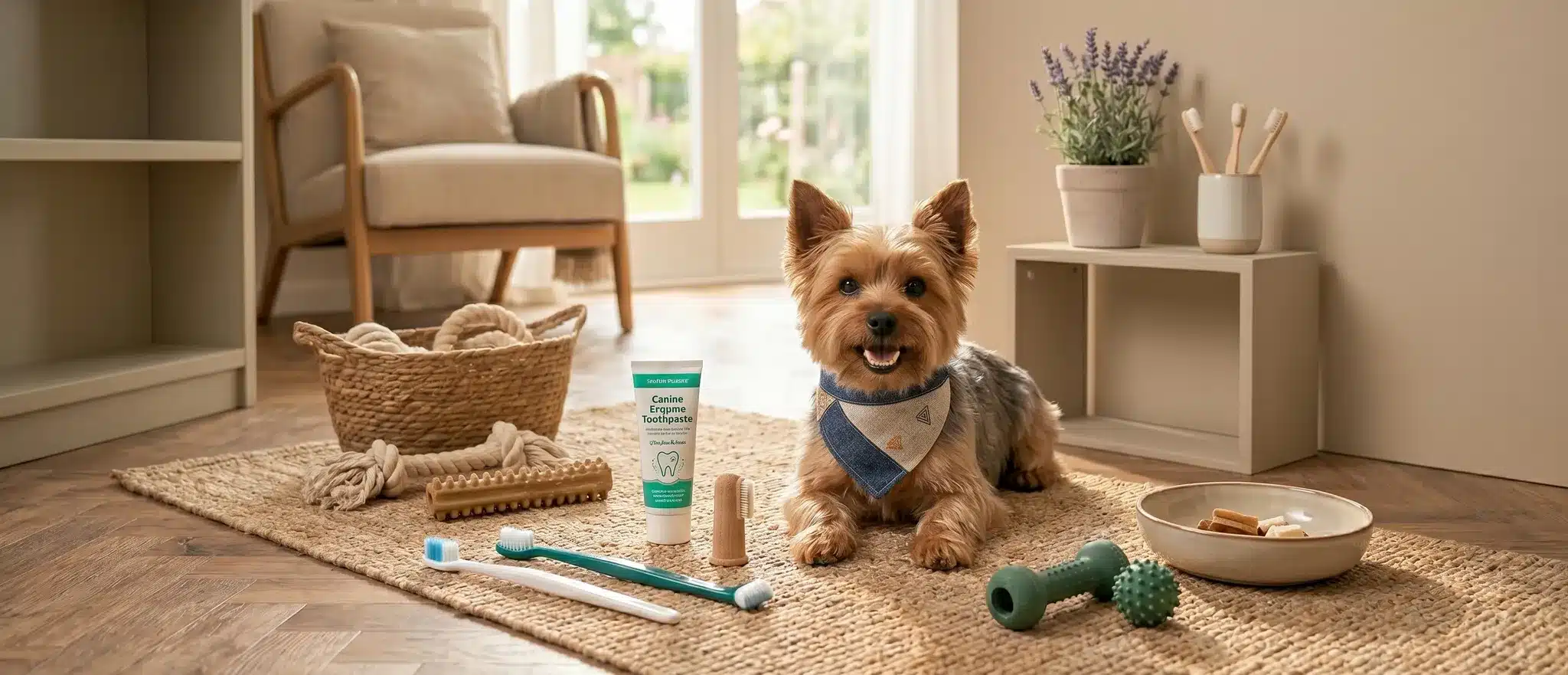
Summary: A dog's dental health directly impacts its overall well-being. Adopting preventative home care, including regular brushing and a suitable diet, can significantly reduce the need for costly veterinary
Proactive Dental Care at Home: Tools and Techniques for a Healthy Mouth
The right tools for the job: Establishing an effective at-home dental care routine begins with selecting the appropriate equipment. The gold standard for preventing plaque build-up is regular brushing, ideally daily. When choosing a toothbrush, look for one designed specifically for dogs; their angled heads and softer bristles are better suited to the shape of a dog's mouth and are gentler on their gums than human toothbrushes. Finger brushes, which fit over your fingertip, can be an excellent starting point for puppies or hesitant dogs, as they offer more direct control and a less intimidating experience. Equally important is the toothpaste. Never use human toothpaste for your dog, as it contains ingredients like fluoride and xylitol that are toxic to them. Pet-specific toothpaste is formulated to be safe for swallowing and often comes in poultry or beef flavours to make the experience more palatable for your furry friend. When browsing for these items, even second-hand, ensure any brushes are thoroughly sanitised according to veterinary guidelines or, ideally, purchased with new, replaceable heads. By using the correct tools, you make the process more comfortable for your dog and far more effective in maintaining their oral hygiene.
Beyond the brush: While brushing is paramount, a multi-faceted approach yields the best results. Dental chews and toys can play a significant role in scraping away plaque and stimulating the gums. Look for products with a firm, slightly textured surface that mechanically cleans the teeth as the dog chews. The Veterinary Oral Health Council (VOHC) provides a list of approved products that have been proven to reduce plaque or tartar. Diet is another cornerstone of dental health. Dry kibble can provide a mild abrasive action that helps scrub teeth, whereas a diet high in sugars or starches can contribute to plaque formation. Some veterinary diets are specifically formulated with a kibble texture and size that promote cleaning. Even second-hand items, like durable rubber chew toys, can be a sustainable choice. Before giving a pre-loved toy to your dog, inspect it for any signs of damage, such as cracks or sharp edges, and sanitise it thoroughly by washing it in hot, soapy water or running it through a dishwasher if the material allows. This ensures safety and hygiene while providing your dog with an effective tool for dental maintenance.
A healthy mouth is a happy dog; prevention is always more effective and compassionate than treatment.
Breed-Specific Dental Considerations and Unique Needs
The genetic lottery: A dog's breed can significantly influence its predisposition to dental problems. This is often linked to the specific head and jaw structure that has been selected for over generations. Brachycephalic (short-nosed) breeds are a prime example. Breeds like the Shih Tzu, Pug, and Bulldog often have the same number of teeth as other dogs, but packed into a much smaller jaw. This leads to overcrowding, causing teeth to rotate or overlap, which creates perfect traps for food and plaque. Consequently, these breeds are at a much higher risk for developing early-onset Periodontal Disease. Similarly, toy breeds such as Chihuahuas and Yorkshire Terriers are prone to retained deciduous (baby) teeth, where the baby teeth don't fall out as the adult teeth erupt. This can cause alignment issues and increase plaque build-up. Regular veterinary checks are crucial for these breeds to monitor for such issues and intervene early. Understanding your dog's genetic heritage is not about predicting a definite outcome, but about being aware of potential risks so you can tailor their preventative care routine accordingly.
Tailoring your routine: Different breeds require different approaches. For instance, the Corgi is known for its strong jaw but can still be prone to dental issues if not given proper outlets for chewing. Providing them with robust chew toys is essential. Conversely, breeds like the Siberian Husky, originally bred to work in harsh conditions with minimal resources, often have remarkably healthy teeth, but they still require monitoring. Greyhounds are another breed noted for their predisposition to developing severe periodontal disease despite having a jaw structure that would not immediately suggest it. The specific diet and genetics of a breed like the Shiba Inu may impact their dental health, while a large breed like the Newfoundland has a larger mouth that might be easier to brush but also has powerful jaws that require durable toys. Even mixed-breed dogs can inherit dental traits from their lineage. Adopting a proactive stance that respects these breed-specific characteristics is key. This means adjusting brushing techniques, selecting appropriate chew toys, and scheduling veterinary check-ups in line with the known risks for your dog's breed, whether it's a Beagle, Malinois, or Aussie.
When to Seek Professional Help: Recognizing the Need for Veterinary Intervention
Reading the signs: While diligent home care is the foundation of good dental health, it cannot solve every problem. It is crucial for owners to recognise when a professional veterinary assessment is necessary. One of the most telling signs is a distinct and persistent change in your dog's behaviour or physical state. If your dog suddenly shies away when you try to touch its head, begins eating on one side of its mouth, or drops food repeatedly, it may be experiencing significant oral pain. Visible changes are also clear indicators; these include severely swollen or bleeding gums, a broken or loose tooth, or a noticeable abscess (a swelling on the gum or face). Heavy tartar build-up that you cannot remove with a brush is another sign that professional intervention is needed. This calcified deposit requires specialised tools for safe removal. Attempting to scrape tartar off at home can easily damage the tooth's enamel or the gum tissue, leading to more significant problems. Following the guidance of EU veterinary standards, these symptoms should prompt an immediate call to your clinic to prevent further suffering and complications.
What to expect at the vet: A professional dental cleaning is a thorough and necessary procedure performed under general anaesthesia. This is a critical safety measure, as it prevents stress and pain for the dog and allows the veterinary team to perform a comprehensive examination and cleaning without risk of injury to themselves or the animal. The procedure involves several steps. First, the vet will conduct a full oral exam, probing the gums to check for deep pockets indicative of Periodontal Disease. They will then use ultrasonic and hand scalers to remove all plaque and tartar from the tooth surfaces, both above and below the gumline. After scaling, the teeth are polished to create a smooth surface, which helps to slow down future plaque accumulation. The vet may also take dental X-rays to assess the health of the tooth roots and the jawbone, areas invisible to the naked eye. In some cases, a dog's tongue may appear slightly blue post-anaesthesia (cyanosis), which is a sign of reduced oxygen in the blood; veterinary staff are trained to monitor this and provide oxygen support. Regular preventative check-ups allow your vet to recommend a cleaning before severe disease develops.
For Plaque Prevention
Daily brushing with dog-specific toothpaste is the most effective method.
For Light Tartar
Use VOHC-accepted dental chews and water additives to help reduce build-up.
For Overcrowded Teeth
Vigilant daily cleaning and more frequent vet check-ups are essential, especially for brachycephalic breeds.
For Bad Breath
This often signals underlying Gingivitis or Periodontal Disease; a vet check is needed to find the cause.
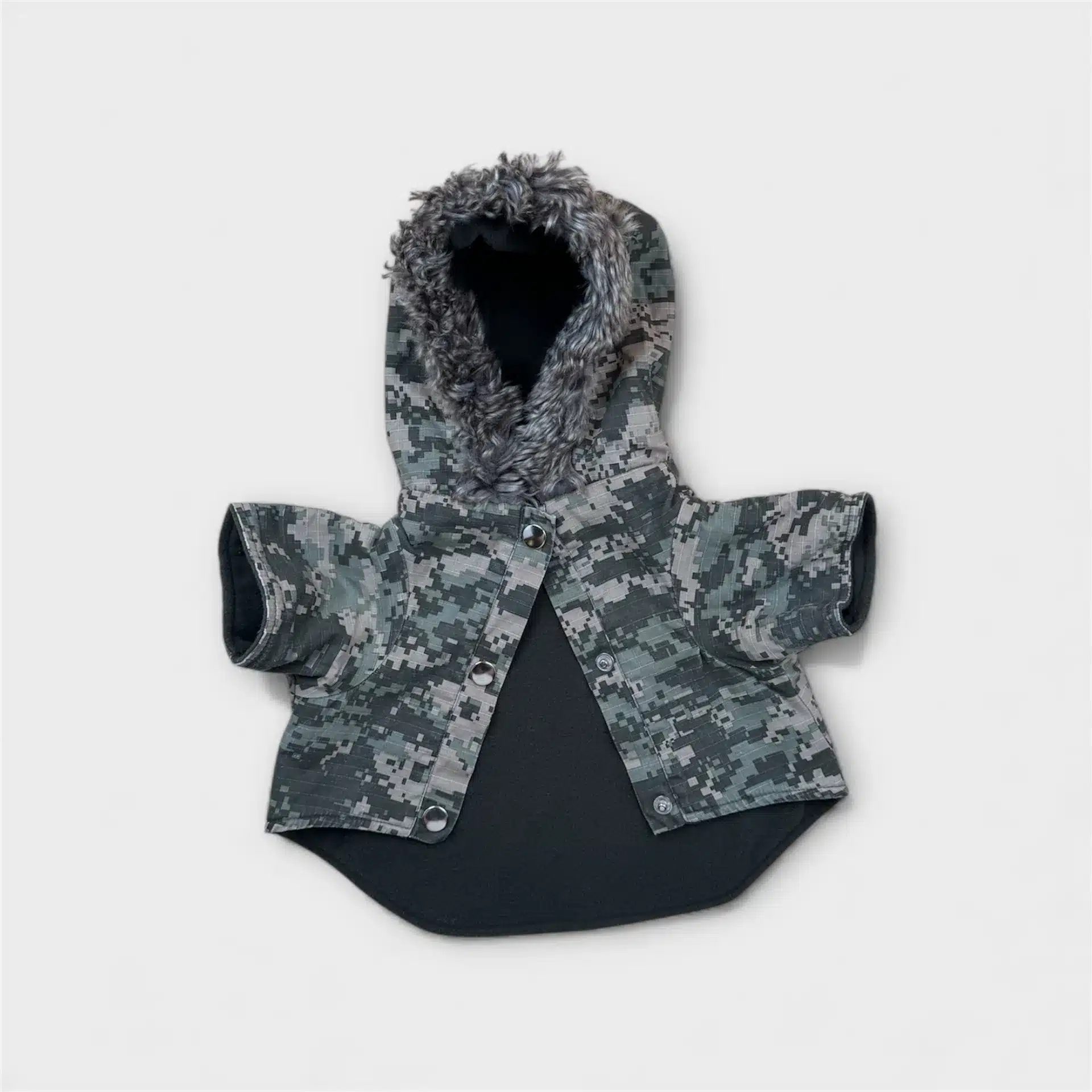
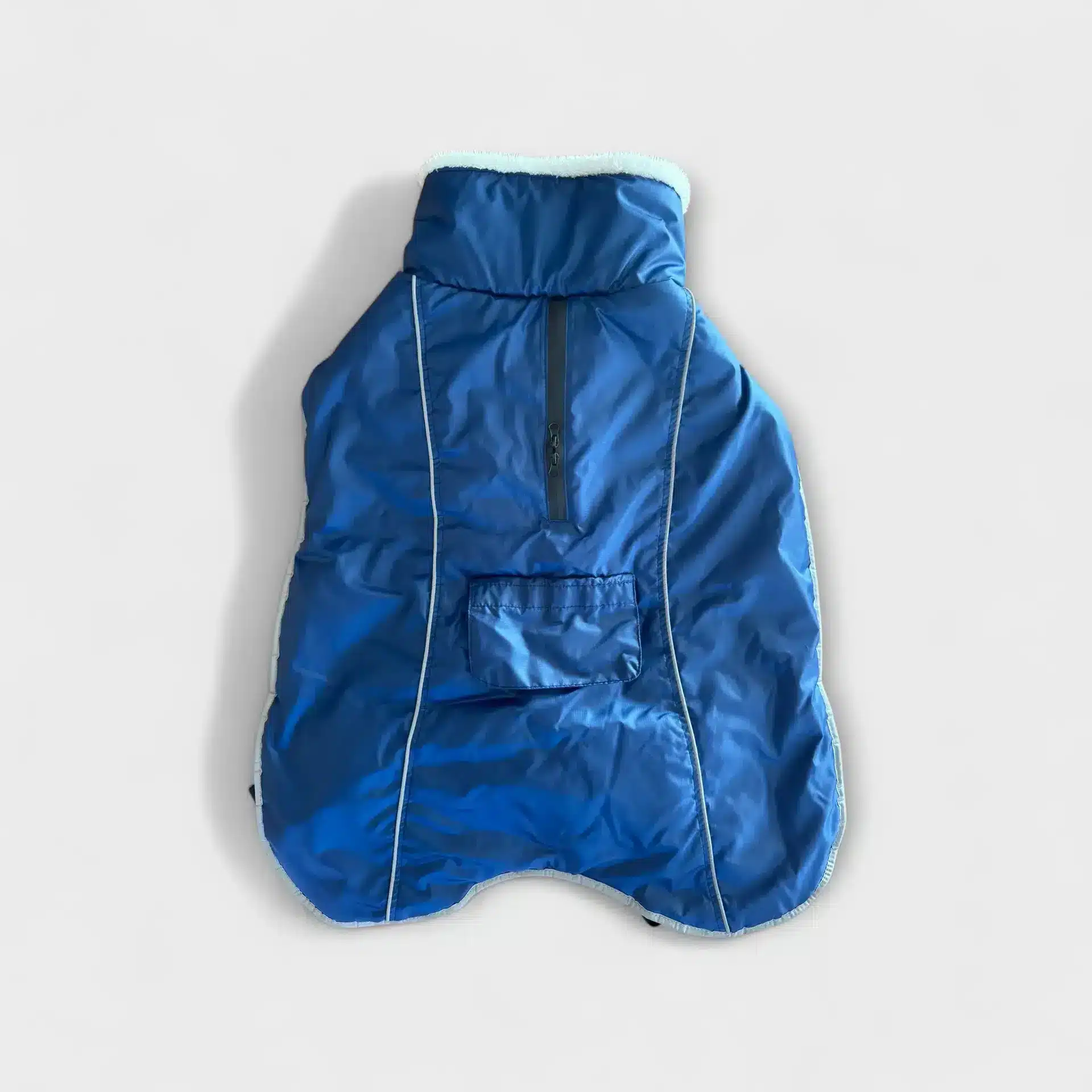
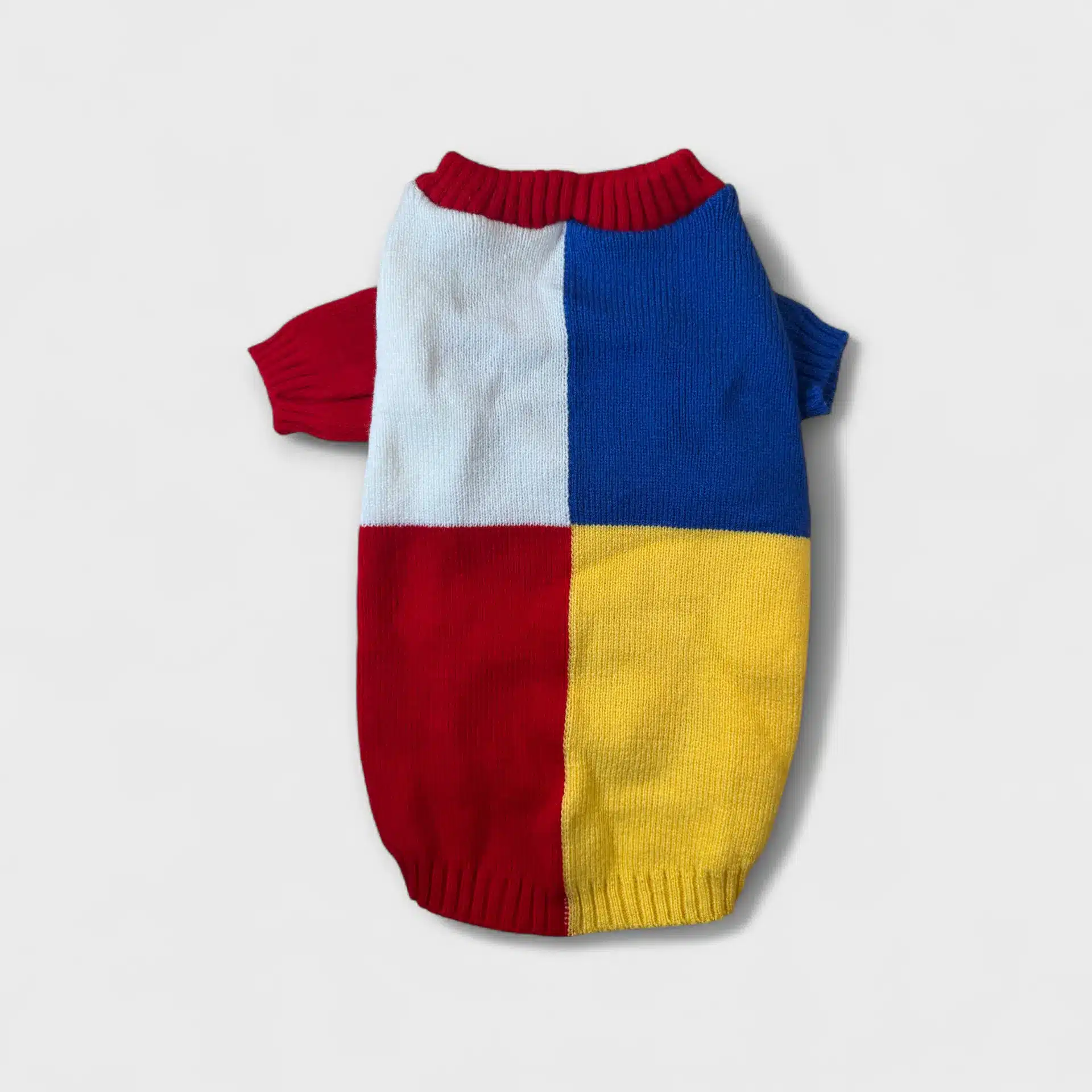
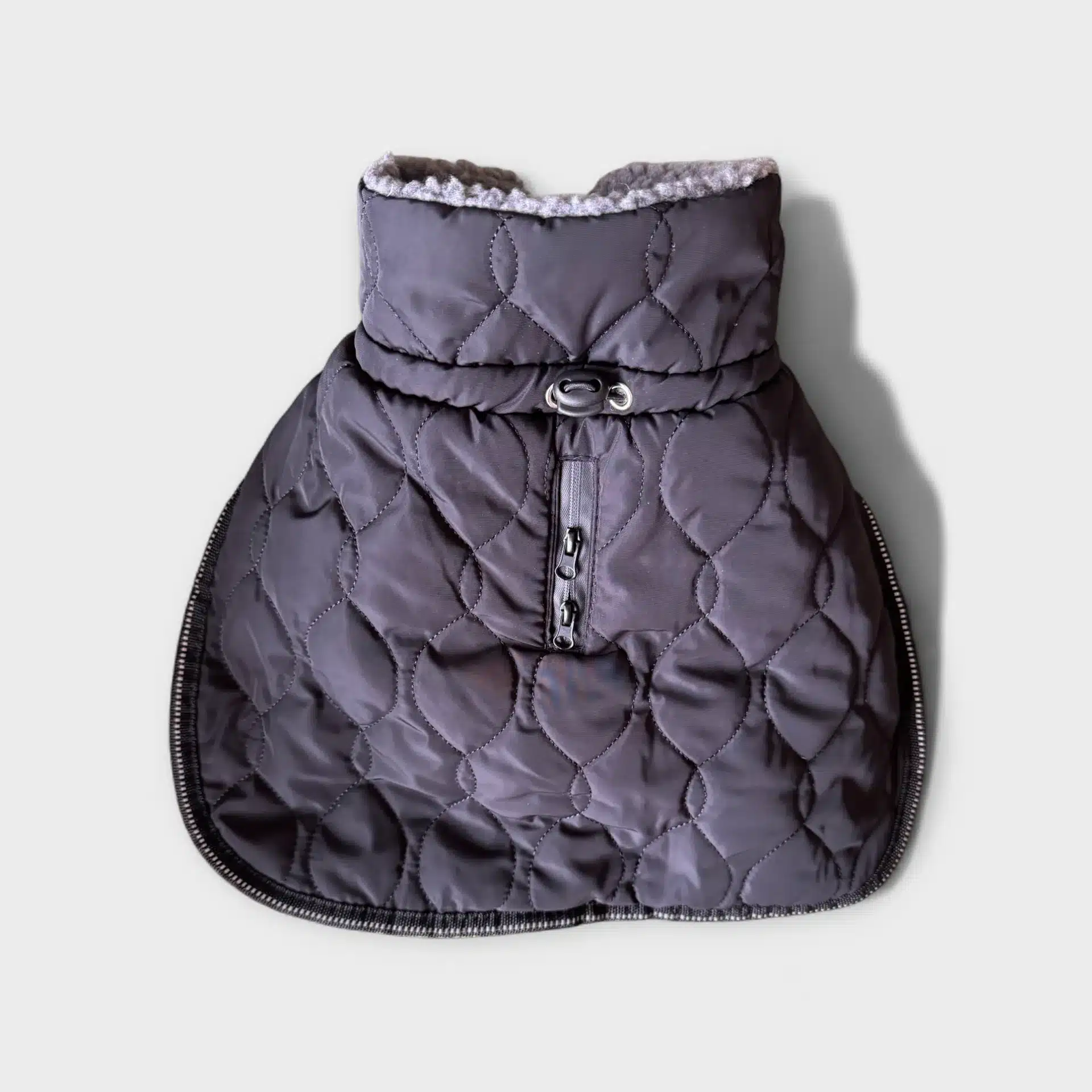
Maintaining your dog's dental health is integral to their overall comfort and happiness. A dog free from oral pain is more likely to enjoy daily activities, from energetic walks to relaxing at home. Ensuring they are comfortable in their everyday gear, like a well-fitting coat or a soft sweater, is part of this holistic approach to their well-being. A happy dog is a healthy dog, inside and out.

Free returns
Try at home with confidence — returns are always free.
Pet-first picks
Every recommendation is made for dogs, cats or small pets.
Circular choice
Second-hand and handcrafted finds reduce unnecessary new production.
♻️ Circular Economy Impact Choosing durable or second-hand dental toys and accessories helps reduce plastic waste. Proper dental care extends a product's life and minimises the carbon footprint associated with veterinary procedures and manufacturing new items.