Summary: Dog diarrhoea: learn to recognise symptoms, provide safe home care, prevent with sustainable choices, and know when to seek veterinary help. Focuses on responsible pet ownership.
What this guide covers - identify the type and severity of diarrhea - when to see a vet? - safe home care and diet - environmentally friendly care products and supplies - the importance of prevention - sustainable choices in feeding and supplies - utilizing second-hand products for your pet's needs - the impact of breed on intestinal health
What is Acute Dog Diarrhoea and When to Worry?
Understanding acute diarrhoea: Dog diarrhoea is characterised by loose, watery stools, often occurring with increased frequency. This common ailment can be triggered by sudden dietary changes, stress, infections from bacteria or viruses, or even consumption of spoiled food. While often a temporary discomfort, it's crucial for pet owners to observe their dog's behaviour and other accompanying symptoms to determine the severity and the appropriate course of action. Recognising the type and consistency of the stool, along with its colour and any unusual odour, can provide valuable clues about the underlying cause.
Early detection and careful observation are key to managing dog diarrhoea effectively. Keep a close eye on your dog's overall demeanour; a dog that is still playful and energetic might be experiencing a milder form of diarrhoea compared to one that is lethargic, withdrawn, or in obvious pain. Factors such as recent changes to their diet, new treats, or exposure to unfamiliar environments should also be considered when assessing the situation. Understanding these initial cues helps in deciding whether home care is sufficient or if veterinary attention is needed.
When your dog has diarrhoea, look for critical warning signs like fever, persistent vomiting, or blood in the stool, as these indicate a need for immediate veterinary consultation.
Recognising Warning Signs
When to consult a vet: While many cases of dog diarrhoea resolve with simple home care, certain warning signs indicate a more serious underlying issue that requires professional veterinary diagnosis. If your dog exhibits symptoms such as lethargy, persistent vomiting, a fever (temperatures above 39.5°C), severe abdominal pain, or blood in the faeces – either bright red or dark and tarry – it's imperative to seek veterinary help without delay. Puppies, senior dogs, and those with pre-existing health conditions are particularly vulnerable and can dehydrate quickly, making prompt veterinary attention even more critical.
- Persistent vomiting: If your dog vomits repeatedly for more than 12 hours.
- Bloody stools: Bright red blood indicates fresh bleeding, while black, tarry stools suggest digested blood.
- Fever: A body temperature exceeding 39.5°C is a significant concern.
- Lethargy and weakness: An unusual lack of energy or difficulty moving.
- Abdominal pain: Whining, reluctance to be touched, or a hunched posture.
- Lack of appetite/thirst: Refusing food or water for an extended period.
Early intervention by a veterinarian can prevent complications and ensure the best possible outcome for your pet. They can perform diagnostic tests to pinpoint the cause and recommend appropriate medical treatment, including prescription medications or fluid therapy if necessary. Never hesitate to contact your vet if you are concerned about your dog's condition.
Safe Home Care: Responsible Actions for Diarrhoea
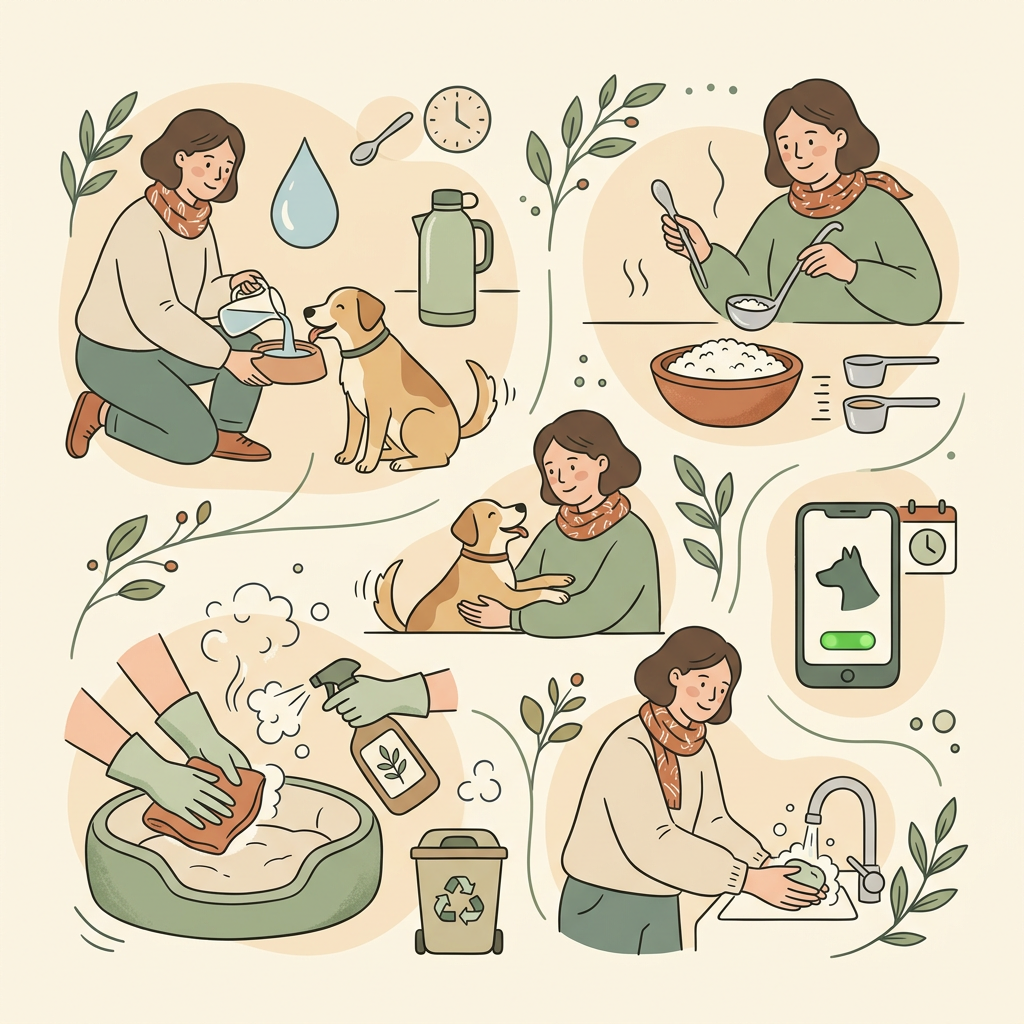
Initial steps for home care: When your dog experiences mild diarrhoea without alarming symptoms, responsible home care can often bring relief. The first crucial step is a short fasting period, typically 12-24 hours for adult dogs. This allows their digestive system to rest and recover. During this time, ensure constant access to fresh water. Dehydration is a significant risk with diarrhoea, so monitoring water intake is vital. For vulnerable dogs or those with slightly reduced water intake, consider offering plain, unsalted chicken or beef broth or a veterinary-approved electrolyte drink specifically formulated for pets.
After the fasting period, gradually reintroduce a bland diet. A classic recommendation is boiled white rice mixed with small amounts of plain, cooked protein such as chicken or fish. These ingredients are easily digestible and provide essential nutrients without irritating the sensitive digestive tract. Start with very small portions several times a day and observe your dog's reaction. If the diarrhoea improves, slowly increase the portion size and reduce the frequency over a few days, gradually transitioning back to their regular food.
Dietary Management and Support
What to feed and what to avoid: When transitioning back to food, options like boiled white rice for dogs are excellent because it is easily digestible and acts as a binding agent, helping to firm up stools. Combine it with bland, cooked protein such as boiled chicken breast or white fish (like cod). These lean proteins are gentle on the stomach and provide necessary nutrients. Always ensure the chicken or fish is boneless, skinless, and unseasoned. The key is to introduce these foods in small, frequent meals rather than large portions.
Probiotics for dogs can be beneficial in restoring healthy gut flora. These beneficial bacteria help to rebalance the digestive system and support gut health. Look for veterinary-specific probiotic supplements rather than human-grade ones, as their strains are tailored to canine physiology. Prebiotics, which feed the good bacteria, can also be incorporated. Avoid offering fatty foods, dairy products, or highly seasoned meals during recovery, as these can exacerbate diarrhoea. Continued monitoring of your dog’s stool consistency and overall well-being remains paramount during this period of dietary adjustment.
Hygienic and Eco-Friendly Practices
Maintaining hygiene with second-hand items: Embracing sustainable choices for your pet includes considering second-hand items. If you opt for second-hand food bowls or chew toys, rigorous cleaning and disinfection are essential to prevent the spread of bacteria or parasites. Thoroughly wash items with hot, soapy water, followed by a pet-safe disinfectant. For fabric items like beds or blankets, machine washing at a high temperature (at least 60°C) is recommended, ideally with an eco-friendly, hypoallergenic detergent. Air-drying in sunlight can also help sanitise.
- Food bowls: Wash immediately after each meal with hot water and soap.
- Chew toys: Regularly clean with pet-safe disinfectant, especially second-hand items.
- Bedding: Wash covers at high temperatures; consider steam cleaning inserts.
- Walking gear: Wipe down harnesses and leads to remove dirt and bacteria.
- Litter boxes (if applicable): For homes with cats, ensure cat litter is contained to prevent dog ingestion, which can cause digestive upset.
Regular deworming and appropriate vaccinations, following EU animal health regulations and your veterinarian's schedule, also play a significant role in preventing parasitic and viral infections that can cause diarrhoea. These proactive health measures contribute to your dog’s overall well-being and reduce the risk of digestive issues significantly.
Individual Dog Needs: Age, Breed, and Lifestyle as Risk Factors
Age-related sensitivities: A dog's age significantly influences their susceptibility to and recovery from diarrhoea. Puppies have immature immune systems and highly sensitive digestive tracts, making them particularly vulnerable to infections and dietary upsets. They can dehydrate rapidly, so any signs of diarrhoea in a puppy warrant immediate veterinary attention. Senior dogs, conversely, may have weakened immune systems, underlying health conditions, or reduced digestive efficiency, which increases their risk. Diarrhoea in older dogs can also be a symptom of more severe issues like organ disease or cancer, requiring careful veterinary assessment to distinguish from milder causes. Both age groups benefit from proactive veterinary care.
Tailoring care to these age groups is essential. For puppies, strict adherence to vaccination schedules, appropriate diet for their stage of development, and vigilant observation are paramount. For senior dogs, regular health check-ups, a diet formulated for older canines, and careful monitoring for changes in appetite or stool consistency can help catch and address issues early, improving their quality of life.
Breed-Specific Predispositions
Genetic factors and stress: Certain dog breeds are genetically predisposed to specific gastrointestinal issues. For example, breeds like German Shepherds are known to be prone to Exocrine Pancreatic Insufficiency (EPI), which manifests with chronic diarrhoea, while others may have inflammatory bowel disease (IBD) sensitivities. Understanding your dog's breed-specific risks, as detailed by organisations like the Finnish Kennel Club, can help you and your vet implement preventative strategies or make early diagnoses. Stress and anxiety can also significantly impact a dog's digestive health, leading to stress-induced diarrhoea. Situational stressors like moving home, new pets, or loud noises can trigger episodes.
- Stress management: Create a calm environment and use calming aids if needed.
- Regular exercise: Helps reduce stress and promotes healthy digestion.
- Consistent routine: Predictability can minimise anxiety in sensitive dogs.
- Balanced diet: Avoid sudden changes that can upset the gut.
- Socialisation: Positive experiences can build resilience to stressors.
A balanced lifestyle that includes adequate exercise, mental stimulation, a consistent routine, and a premium diet can effectively minimise stress-related digestive upsets. If your dog is routinely anxious, consulting an animal behaviourist or veterinary professional about stress-reduction techniques and potential therapies can be beneficial.
| Breed | Predisposition | Typical Symptoms | Management Focus |
|---|---|---|---|
| German Shepherd | EPI, IBD | Chronic diarrhoea, weight loss | Enzyme supplements, diet |
| Great Dane | Bloat, sensitive stomach | Acute diarrhoea, gas | Small, frequent meals, careful diet |
| Labrador Retriever | Dietary indiscretion | Sudden diarrhoea, vomiting | Strict diet, impulse control |
| Yorkshire Terrier | Pancreatitis | Vomiting, diarrhoea, abdominal pain | Low-fat diet, veterinary care |
Eco-Conscious Solutions for Post-Diarrhoea Care: Emphasising Cleanliness and Sustainable Consumption
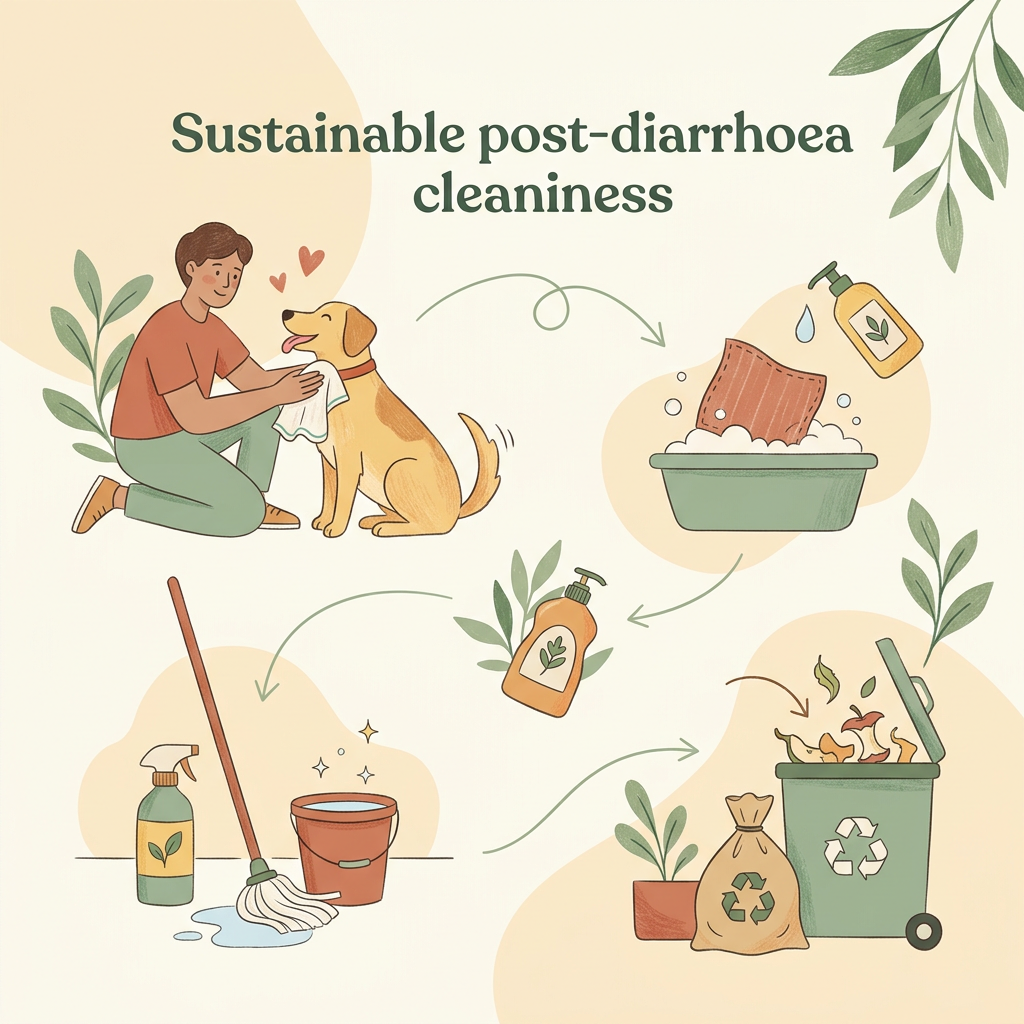
Sustainable cleaning practices: Dealing with diarrhoea means extra cleaning. Opting for sustainable cleaning supplies minimises your environmental footprint while effectively sanitising your home. Choose eco-friendly, biodegradable cleaning agents that are also pet-safe, free from harsh chemicals that could irritate your dog's sensitive respiratory system or skin. Microfibre cloths, reusable mop pads, and natural disinfectants like diluted white vinegar or baking soda solutions are excellent choices for wiping down surfaces. These alternatives are not only better for the planet but also safer for a household with pets, reducing exposure to harsh residues.
When cleaning textiles like bedding, blankets, or even your dog's clothes, use a laundry detergent that is hypoallergenic and free from strong perfumes. Washing at the lowest effective temperature helps conserve energy. For heavily soiled items, a pre-soak with an enzymatic cleaner can assist in breaking down organic matter, reducing the need for multiple washes or very hot water. Always ensure items are thoroughly rinsed to remove any detergent residues.
The Benefits of Second-Hand
Utilising second-hand textiles: Extending the life of pet items through second-hand acquisition is a core tenet of sustainable consumption. Second-hand beds and blankets are an excellent way to reduce waste. Upon acquiring them, inspect them thoroughly for tears, excessive wear, or lingering odours, then wash them rigorously at a high temperature (if fabric allows) to ensure hygienic cleanliness. For items that cannot be machine washed, look for covers that can be removed and cleaned, or consider professional cleaning services that use eco-friendly methods. This approach not only provides budget-friendly options but actively diverts usable items from landfills.
- Inspect for damage: Check for rips, loose threads, or broken zippers immediately.
- Thorough cleaning: Wash all fabric items on the hottest setting suitable for the material.
- Disinfection: Use pet-safe disinfectants for hard surfaces within second-hand items.
- Odour removal: Baking soda can absorb lingering smells effectively.
- Repair when possible: Small repairs can extend the life of an item significantly.
By giving second-hand items a new lease on life, you contribute to a circular economy, reducing demand for new manufacturing and conserving resources. This practice aligns perfectly with the ethos of responsible pet ownership and environmental care. Regularly assess your pet's needs and consider second-hand options for everything from beds to toys and even certain types of clothing; eco-conscious pet parents often find great value.
When Home Care Isn't Enough: Preparing for a Vet Visit
Recognising critical thresholds: Knowing when to transition from home care to professional veterinary intervention is paramount for your dog's health. If diarrhoea persists for more than 48 hours despite home remedies, or if your dog's condition worsens, it's a clear signal to consult a veterinarian. Look for a decline in overall health, such as increased lethargy, refusal to eat or drink, or continued vomiting. These symptoms, especially when combined with diarrhoea, suggest an underlying issue that requires medical diagnosis and treatment beyond what can be provided at home. Delayed veterinary care can lead to severe dehydration and other serious complications.
Preparing for your vet appointment can help facilitate a quick and accurate diagnosis. It's helpful to keep a 'poop diary' that notes the frequency, consistency, colour, and any unusual contents of your dog's stools. Also, make a list of any recent changes in diet, new treats, medications, or any potential exposure to toxins or foreign objects. Your veterinarian will use this information, along with a physical examination and possibly diagnostic tests مثل veterinary diagnostics through blood tests or stool samples, to determine the cause and the best course of action. Do not administer human medications without explicit veterinary guidance.
Choosing a Veterinarian and Communicating Effectively
Finding the right professional: Selecting a veterinarian who is knowledgeable, compassionate, and communicates effectively is crucial for your pet's ongoing care. If you don't already have an established vet, ask for recommendations from trusted friends, local pet groups, or check online reviews. During an emergency, you might need to visit an unfamiliar clinic, so being prepared with your dog's history is extra important. When speaking with the vet, be clear and concise about your dog’s symptoms, how long they’ve been occurring, and any home treatments you’ve attempted. Don't be afraid to ask questions until you fully understand the diagnosis and treatment plan.
- Symptom details: Note duration, frequency, and severity of diarrhoea.
- Dietary changes: List any new foods, treats, or table scraps.
- Medications: Mention any supplements or prescribed drugs your dog is taking.
- Vaccination status: Provide an up-to-date record.
- Travel history: Inform if your dog has recently travelled.
- Other behaviours: Note changes in energy, appetite, or thirst.
A good veterinary clinic should also provide clear instructions for at-home care after your visit, including medication dosages and follow-up care. Remember that proactive health management through regular check-ups can prevent many issues from escalating, maintaining your dog's well-being and minimising the need for emergency interventions. This collaborative approach between owner and vet is essential for comprehensive canine health management.
Experiences and Tips: Managing Daily Life with a Dog with Diarrhoea
Patience and routine: Dealing with a dog suffering from diarrhoea requires patience and a commitment to maintaining a consistent routine, even when things are challenging. Your dog may not understand why they feel unwell, and sudden changes can add to their stress. Try to stick to regular feeding times, potty breaks, and rest periods as much as possible. Provide a comfortable, easy-to-clean resting area, possibly with washable blankets or old towels, to manage any accidents. Frequent, short potty breaks outside can help prevent indoor messes and allow you to monitor stool consistency more easily. Remember that this phase is temporary, and your calm demeanour can significantly help your dog feel more secure.
The value of a dog food diary cannot be overstated during this time. By recording what your dog eats, when, and the corresponding stool quality, you can identify patterns, triggers, and what foods aid recovery. This data is invaluable for your veterinarian and helps you make informed dietary choices going forward. Note not just food, but also treats, any stolen snacks, and even changes in water source. This meticulous record-keeping can pinpoint sensitivities or problematic ingredients that might otherwise go unnoticed.
Building a Support Network
Leveraging your community: You don't have to navigate a dog's health issues alone. Lean on your support network, whether it's family, friends, or fellow pet owners, for practical help and emotional encouragement. A trusted friend might be able to help with extra potty breaks if you're at work, or simply offer a listening ear. Online forums and local pet communities can also be great resources for sharing experiences and getting tips, but always cross-reference advice with your veterinarian's recommendations. Remember that the veterinary team is your primary resource for medical guidance, but a strong support system helps with the daily logistics and emotional burden.
- Family and friends: Ask for help with walks or supervision.
- Pet sitters: Consider professional help for extended absences.
- Online forums: Share experiences and gather non-medical tips.
- Veterinary staff: Don't hesitate to call with non-emergency questions.
- Local pet groups: Connect with others for shared wisdom and support.
Preparing for the possibility of diarrhoea, even with preventative measures, means having a small emergency kit ready. This might include clean-up supplies, a bland diet staple like canned pumpkin (in small amounts if approved by your vet), and any prescribed medications. Having these items on hand can reduce stress during an acute episode and allow you to focus on your dog's recovery. Sustainable choices, like washable cleaning cloths, extend to every aspect of responsible pet care.
♻️ Circular Economy Impact By extending the life of pet care products and making conscious choices, European pet owners can save approximately 60 kg of textile waste and reduce CO2 emissions by 150 kg per year.
Related reading - [Apparel](/butik/c/dog/clothes) - [Dogs](/butik/c/dog) - [Leashes](/butik/c/dog/leash) - [Collars](/butik/c/dog/collar) - [Harnesses](/butik/c/dog/harness)
🤖 This guide was drafted with AI assistance and verified by the SpringButiken for accuracy.