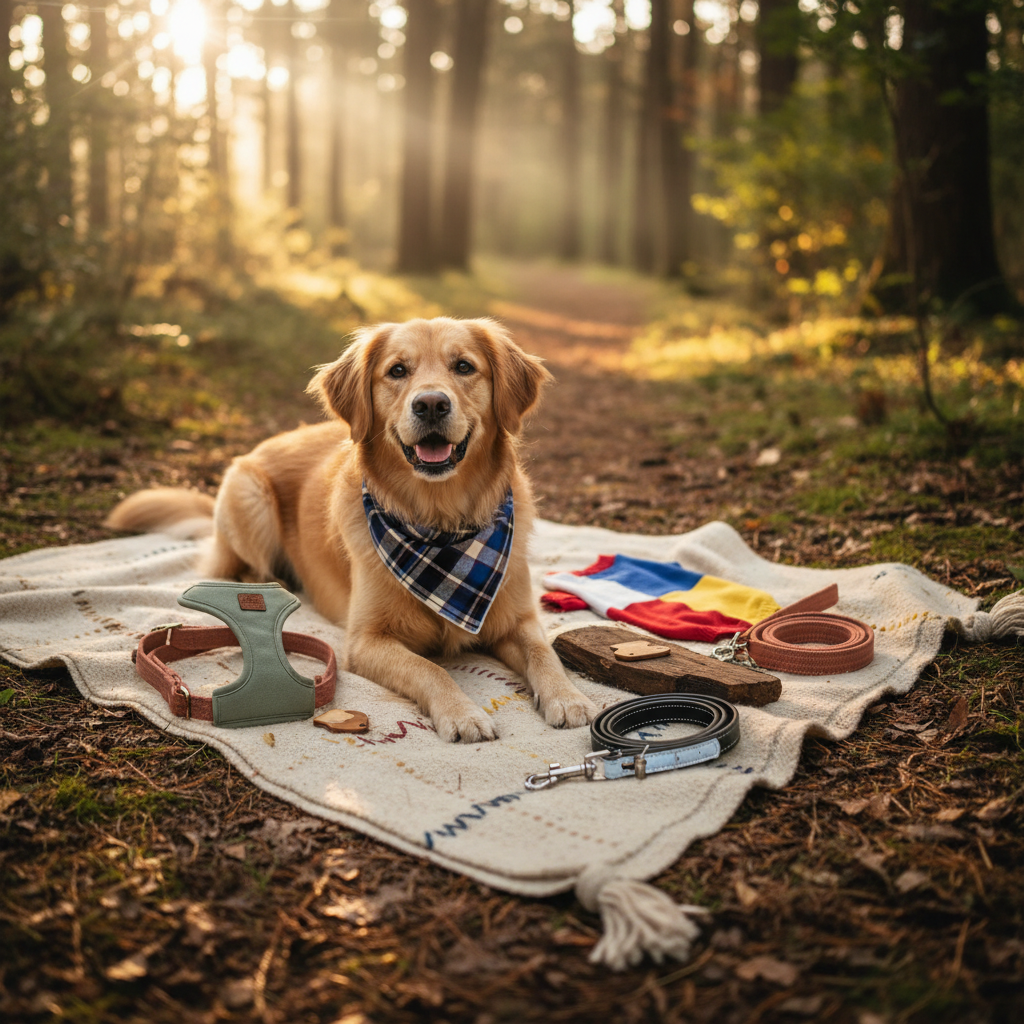
Summary: Getting a dog in Sweden requires knowledge of the Swedish Board of Agriculture's regulations, matching your lifestyle with the breed, and a well-thought-out choice of equipment, preferably second-hand for sustainability.
What the Guide Covers - Legal requirements for dog ownership in Sweden (Jordbruksverket regulations) - Choosing the right dog for your lifestyle (size, temperament, energy levels) - Benefits and considerations of adopting a second-hand dog - Essential gear for a new dog (collars, leashes, beds, toys) - Importance of training and socialisation - Health and wellness basics (vaccinations, deworming, vet visits) - Addressing common behavioural challenges (e.g., anxiety, chewing) - Sustainable choices for dog products (materials, durability, repurposing) - Second-hand checks for pet supplies (material wear, safety, hygiene)
Legal and ethics: What you need to know before getting a dog in Sweden
Basic Responsibilities: Acquiring a dog is a significant commitment that extends beyond the initial joy. As a dog owner in Sweden, you have several statutory obligations to adhere to, primarily regulated by Jordbruksverket (the Swedish Board of Agriculture). These rules are established to ensure that all dogs live under good conditions and that their welfare is always prioritised. Breaching these regulations can lead to fines or, in the worst case, the dog being taken into care. It is therefore crucial that you familiarise yourself with these provisions even before bringing your new family member home.
Responsible Ownership: In addition to the legal aspects, there are ethical considerations such as understanding the dog's needs, from daily exercise to mental stimulation and a safe environment. If you choose to buy a puppy, make sure it is from a responsible breeder who prioritises breeding animals with good health and temperament. For those who want to give a second chance, adoption via a reputable rescue home is an excellent choice. Regardless of origin, you must be prepared for both time and financial commitments throughout the dog's entire life, which can be up to 15 years or longer.
The Swedish Board of Agriculture's rules and registration
Statutory Requirements: The Swedish Board of Agriculture (Jordbruksverket) is the authority that sets most of the rules for dog owners in Sweden. All dogs must be microchipped or tattooed and registered in the Swedish Board of Agriculture's central dog register within four months of birth, or within 14 days if you take over an already marked dog. This requirement is fundamental for tracing the dog if lost or identifying the owner in case of an infringement. Not registering your dog is a violation of the law.
- ID marking: Mandatory microchip or tattoo for all dogs.
- Swedish Board of Agriculture's register: All dogs must be registered here, which is important for change of ownership or if the dog goes missing.
- Leash and supervision: During the period 1 March to 20 August, dogs must be kept on a leash in areas where wildlife is present.
- Dog passport: When travelling within the EU, a valid EU dog passport with proof of rabies vaccination is required.
In addition to this, there are rules regarding how many dogs you can have and how they should be kept, for example, that they should not be left alone for too long. These rules aim to ensure that the dog's basic needs for social contact and exercise are met.
The Swedish Board of Agriculture sets the rules for dog welfare in Sweden, including requirements for marking, registration, and keeping of dogs.
Choose your companion: Find the right dog for your lifestyle
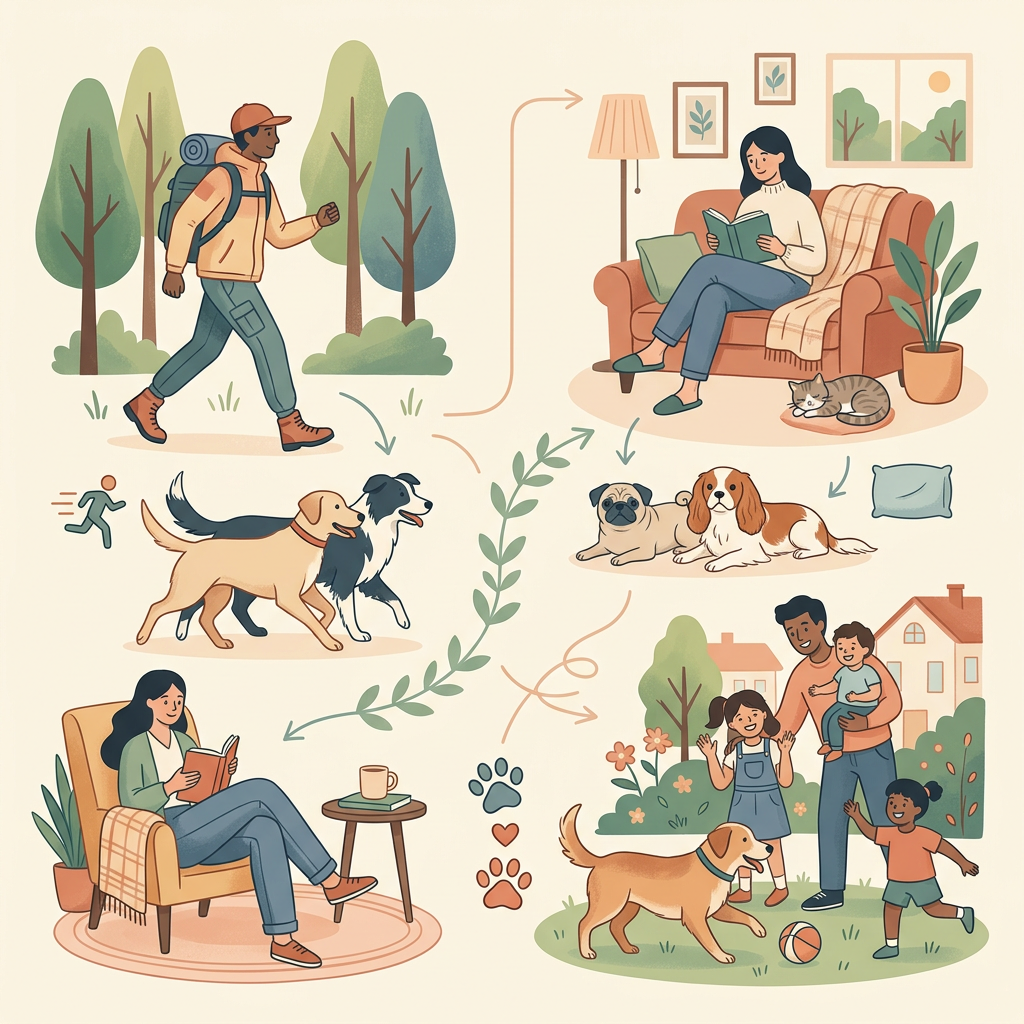
Understand your daily life: Choosing the right dog breed is crucial for a harmonious life together. It's not just about how cute a puppy is, but more about matching the dog's innate instincts and needs with your own lifestyle, living situation, and family circumstances. A large dog in a small apartment can work, but it requires significantly more time for exercise and stimulation outside the home, compared to a small dog breed. Consider what your daily life looks like: how many hours are you away from home? Are you active and enjoy long walks in the forest, or do you prefer shorter walks in an urban environment? These factors shape your dog's quality of life.
Your family's situation: When getting a dog, also consider the family composition. If there are small children in the home, a dog with a calm and patient temperament might be preferable. If you already have other pets, ensure the new dog has good conditions to socialise with them. Some breeds are known for being more independent, while others are extremely dependent on constant human companionship. The Swedish Kennel Club (SKK) offers extensive information on the characteristics and needs of various breeds, which can be a great help in your choice.
Factors to consider: accommodation, activity and family
Accommodation and Breed Choice: It's a myth that large dogs cannot live in flats, but it places higher demands on you as an owner to provide the dog with sufficient exercise and mental stimulation outside the home. A small dog like a Chihuahua can be content with shorter walks, while a Labradoodle needs several hours of activity every day. For example, for a Jämthund, a traditional Swedish hunting and farm breed, a life in the countryside with large areas and the opportunity for lots of outdoor activity is ideal. They have a strong will to work and thrive best when they can work, which is often difficult to accommodate in a city flat.
- Living Space: Larger dogs need more space, both indoors and outdoors.
- Activity Level: Ensure the breed's energy needs match your own ability to activate it.
- Temperament: Choose a breed whose temperament suits your family and other pets.
- Breed Type: One of the world's largest dogs like a Great Dane requires more space and food than a small dog.
It's also important to consider the breed's coat care, tendency to bark, and how it reacts to being alone. Extensive research into the breed's health problems, for example via the Swedish Kennel Club (SKK), is an important part of the process to ensure you choose a dog that has good conditions to live a long and healthy life with you.
Small dog
Suitable for smaller spaces, often content with shorter walks. Perfect for city living or less active owners.
Medium-sized dog
Flexible size that suits many lifestyles. Requires varying amounts of exercise depending on the breed.
Large dog
Needs a lot of space and regular, extensive exercise. May not be ideal for a small apartment.
Sustainable choices: Used dogs and accessories
The benefits of adoption: Giving a home to a dog in need is one of the most sustainable and ethical choices you can make. Many dogs in shelters and rehoming organisations are waiting for a second chance, and by adopting you help to reduce the surplus of homeless animals. These organisations often do thorough work in matching dogs with the right home, including temperament tests and behavioural analysis. Often, they are already house-trained and vaccinated, which facilitates adoption. Furthermore, you get a dog whose personality is already more developed, which can make it easier to assess if it fits your lifestyle.
Environmental benefits: In addition to giving a dog a new home, you contribute to a more circular economy by choosing adoption and second-hand products. New production of dog products requires resources and energy, which has an impact on the environment. Reusing existing products reduces the need for new production and thus reduces waste and carbon dioxide emissions.
Inspect Used Equipment
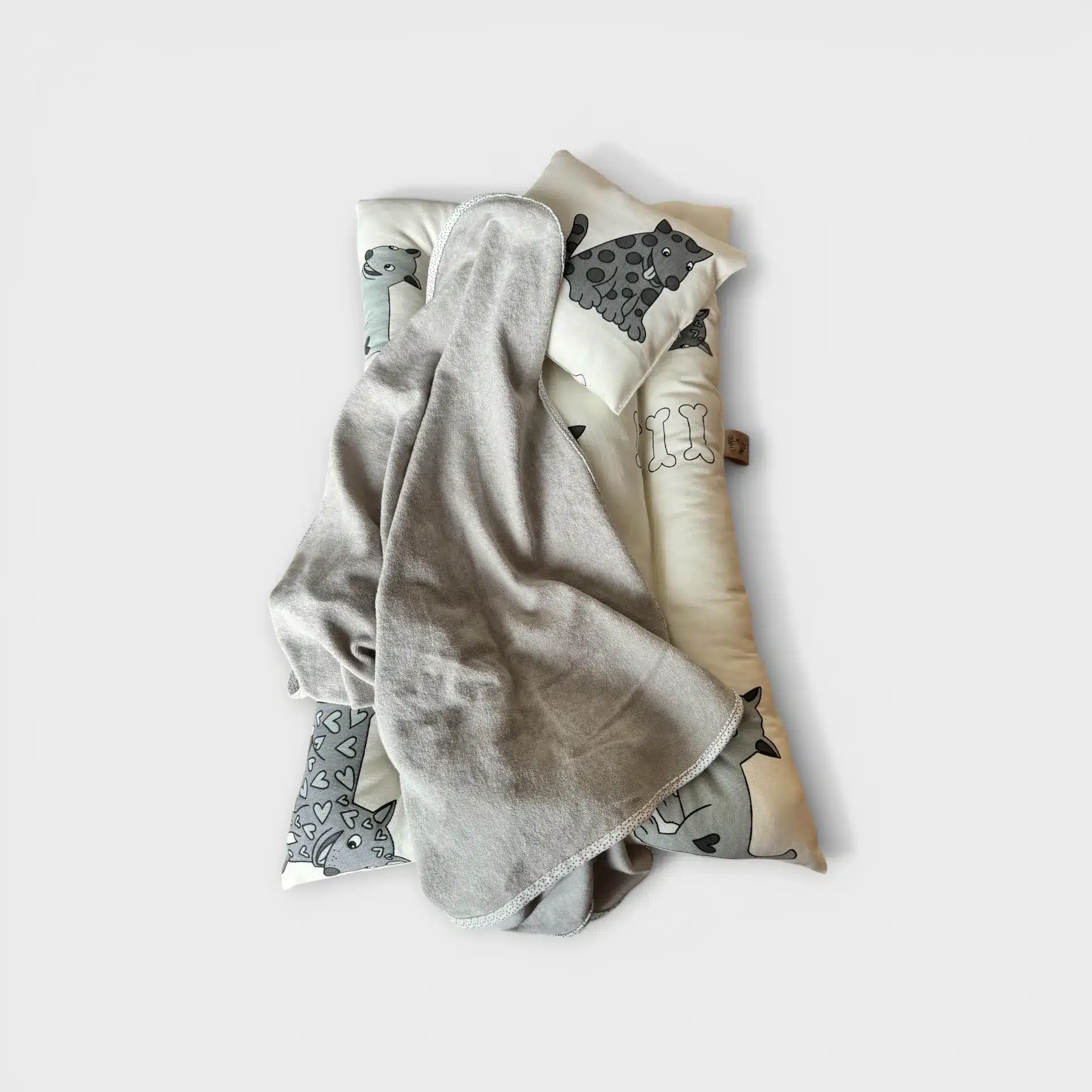
Safety checks: Buying second-hand dog accessories is an excellent way to both save money and make a sustainable choice. But it is important to carefully inspect the products to ensure they are safe and hygienic for your dog. For a dog bed or blanket, check that it is intact, clean and odour-free. Fabric products should be thoroughly washed before use, preferably at 60°C to eliminate bacteria and any parasites. Hard plastic toys can be disinfected, but soft toys with bite marks should be avoided as they may conceal bacteria or break easily.
- Check seams: For harnesses and collars, check that the seams are intact and have not started to come undone.
- Check buckles: Ensure that all buckles and rings work correctly and are not rusty or damaged.
- Smell test: Avoid products with a strong unpleasant smell, which can be difficult to remove.
- Material check: Examine the material for wear, cracks or other damage that may affect function or safety.
- De-worming: Make sure your dog is de-wormed and checked for parasites before using second-hand textiles.
It is especially important to check the safety aspects of used harnesses and leashes. Make sure there are no frayed edges, worn straps or loose buckles. A well-functioning harness and a sturdy leash are crucial for your dog's safety during walks, and faulty equipment can lead to your dog escaping or getting injured.
Necessary equipment for your new friend: Beyond the obvious
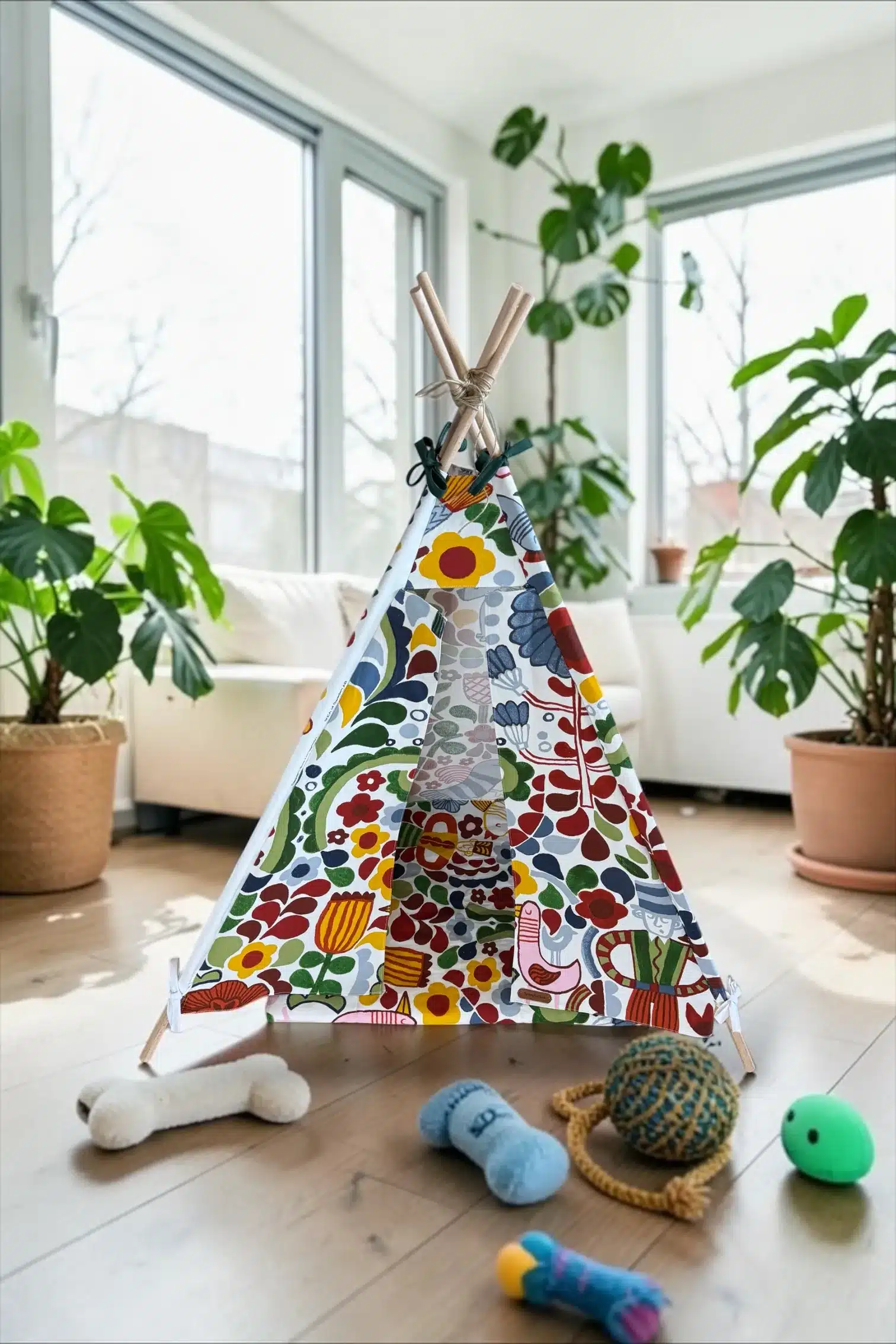
Basic equipment for a new dog: When you welcome a new dog into your home, it is crucial to have all the necessary equipment in place to create a safe and comfortable environment. In addition to food and water, a selection of accessories is needed to support your dog's health, safety, and well-being. Collar and lead are the foundation for all walks, but the choice of type and material is important. A comfortable bed provides a safe place to rest, and toys are important for mental stimulation and to channel natural behaviours such as chewing. Quality and durability are important as many of these products are used daily and are subject to wear and tear.
Invest wisely: When choosing equipment, think long-term. Choose products that are durable, easy to clean and safe for your dog. It is better to invest in fewer, but high-quality products that last a long time, rather than buying cheap alternatives that need to be replaced often. Products with CE marking indicate that they meet EU safety requirements. For toys, make sure they are adapted to your dog's size and chewing ability to avoid choking hazards.
Collars, leads and muzzles: Function and safety
Choosing the right collar and lead: The choice of collar and lead is more than just a matter of style; it's about comfort and safety. A Reflective Leather Dog Collar combines both safety and aesthetics. For everyday walks, a sturdy nylon or leather collar in combination with a durable lead is preferable. It is important that the collar fits comfortably, not too tightly and not too loosely – you should be able to fit two fingers between the collar and your dog's neck. For dogs that pull, a harness can be a better option as it distributes the pressure more evenly across the body and reduces the strain on the neck.
- Standard collar: Good for identification and basic control.
- Harness: Distributes pressure evenly, gentler for dogs with neck problems or those who pull.
- Long line: Perfect for training and safe, long explorations in the park or forest.
- Bismarck collar: A classic type of chain collar, often used for show or specific training situations, but must be used with caution by experienced dog owners.
- Dog muzzle: Used for temporary safety during vet visits or transport, not as a punishment.
A dog muzzle is a special aid that should be used responsibly and never as a permanent solution. It is primarily intended to prevent bites in situations where the dog may feel threatened or during veterinary treatments. A well-fitting muzzle should allow the dog to pant and drink. Bismarck collars, or choke chains, are an older type that are now often advised against due to the risk of injury if used incorrectly. Modern dog training advocates equipment that is both safe and comfortable, based on positive reinforcement.
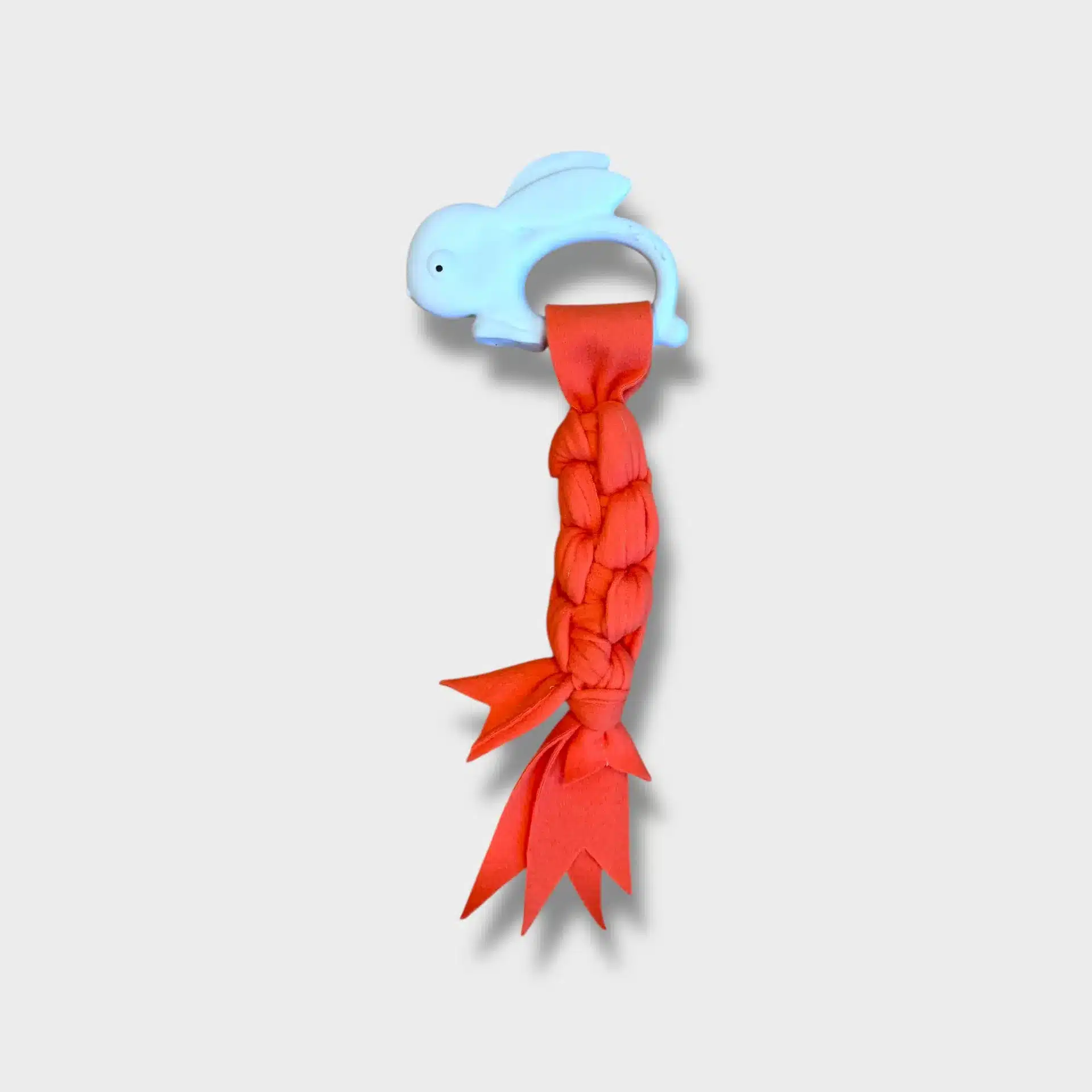
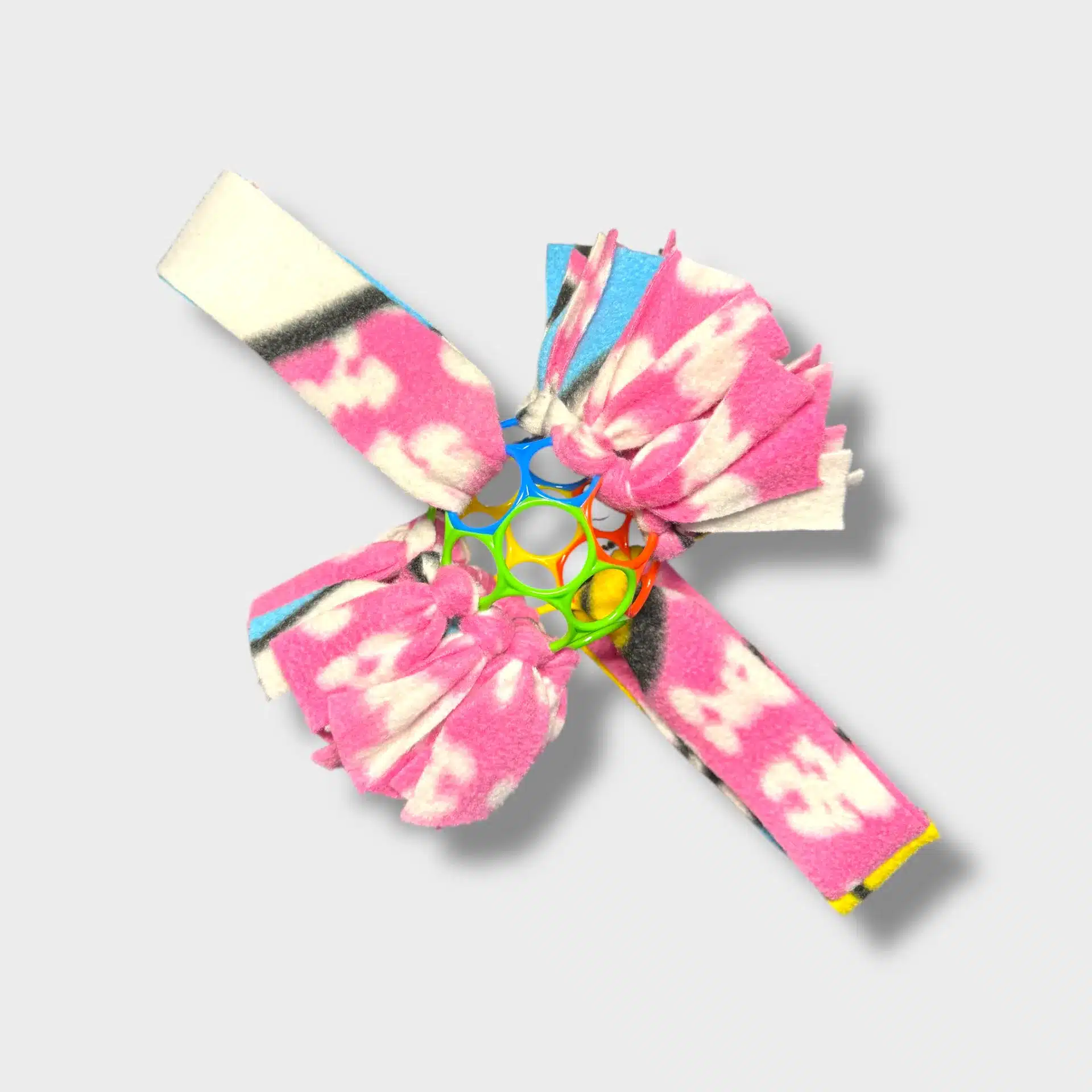
Health and Happiness: A Holistic Approach to Dog Care
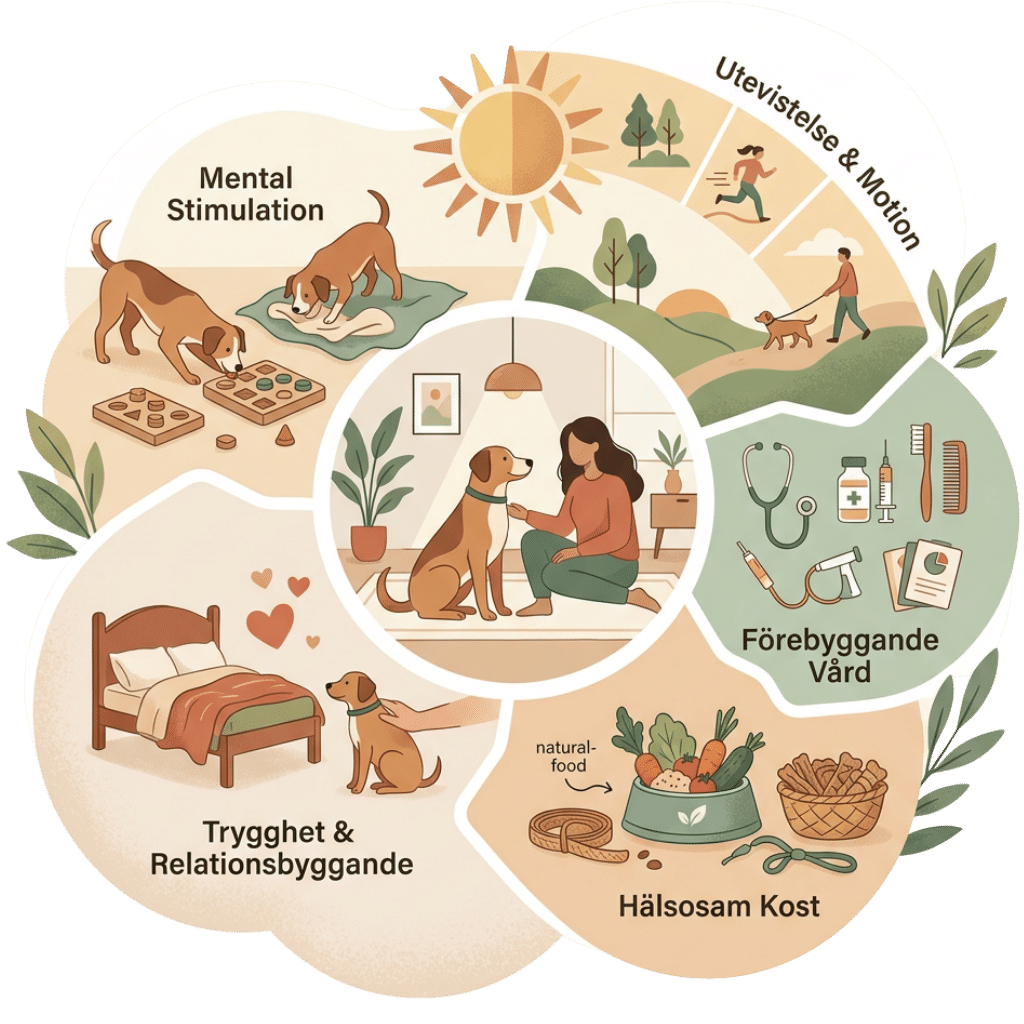
Preventive Healthcare: A healthy dog is a happy dog, and much of that is about preventive measures and regular care. Having a vet you trust is essential. Regular vaccinations protect against serious illnesses and annual health checks are important for early detection of any problems. Make sure your dog has full vaccination protection. In addition to this, it is important to be prepared for acute situations. Have contact details for an emergency vet readily available and consider getting a basic first aid kit for dogs.
Food and Exercise: Proper nutrition adapted to the dog's age, breed, and activity level is the foundation for good health. Choose high-quality food and avoid sudden changes in food that can upset the stomach. In addition to food, regular exercise is crucial for maintaining a healthy weight, strong muscles, and mental balance. A well-balanced diet and sufficient exercise prevent many health problems. For more in-depth information on the health of different breeds, you can visit the Swedish Kennel Club's health pages.
Parasite control and calming techniques
Protection against parasites: Parasites such as ticks, fleas, and internal worms can cause serious health problems for your dog. Regular dog deworming is an important part of preventative care, especially for puppies and dogs that spend a lot of time outdoors or in contact with other animals. Tick repellents come in various forms – spot-on, tablets, or collars – and the choice often depends on the dog's individual needs and your geographical location. Consult your veterinarian to find the most effective protection for your dog.
- Deworming: Regular deworming is important, especially for puppies and active dogs.
- Tick prophylaxis: Use tick repellent during the season to protect against tick-borne diseases.
- Coat care: Brush regularly to detect parasites and keep the coat healthy.
- Dental hygiene: Brush your dog's teeth daily to prevent tartar and oral problems.
- Clipping claws: Learn to clip claws regularly to avoid pain and injuries.
When it comes to getting a calm dog in stressful situations, there are several methods to try. Pheromone spray or diffusers that mimic calming scents can help create a safer environment. Short training sessions focusing on touch and gentle massage exercises can also have a calming effect. In cases of severe anxiety or fear, especially related to separation or loud noises such as fireworks, it is best to consult a veterinarian or a certified dog behaviourist for professional help and advice.
Training and Socialization: Build a Strong Bond
The cornerstones of a good dog life: Training and socialising your dog is of the utmost importance for creating a well-functioning and secure family member. It's not just about teaching your dog to sit, lie down, or come when called, but rather about building a deeper relationship based on trust and understanding. Puppy classes are an excellent investment right from the start, as they provide both you and your dog with tools to handle everyday life and foster social contact with other puppies and people. A well-trained and socialised dog is a joy to live with and can accompany you to more places without causing problems.
The importance of positive reinforcement: The most effective training method is positive reinforcement, which means you reward desired behaviours. This can be with treats, play, praise, or a favourite toy. By focusing on what the dog does right, rather than punishing what it does wrong, you build a stronger and happier relationship. This creates a dog that wants to cooperate with you, rather than obeying out of fear. Consistency and patience are the keys to successful training.
Socialisation and Behavioural Challenges
Encounters with the outside world: A well-socialised dog has had positive experiences meeting different people, other dogs, environments, and sounds. Start socialisation early, during the puppy period which is the dog's most receptive phase. Take your puppy to playgrounds, riding arenas, and pet shops (where permitted) to accustom it to different impressions. This reduces the risk of fears and aggression later in life. Remember that socialisation should be a positive experience, so avoid forcing your dog into situations it is uncomfortable with.
- Puppy meet-ups: Let your puppy play with other vaccinated puppies in a controlled environment.
- Environmental training: Carefully expose your puppy to different sounds, places, and people.
- Managing chewing: Offer chew toys and replace them when they become boring to distract from furniture.
- House-training: Take your puppy out often, especially after sleep, play, and food, and praise successful results.
- Positive reinforcement: Always reward desired behaviour with treats, play, or praise.
Common behavioural challenges such as house-training or biting are best managed with patience and consistent positive reinforcement. For an adopted dog, the so-called 3-3-3 rule is a good guideline: for the first three days, the dog is often nervous and reserved, for the first three weeks it begins to show its true personality, and after three months it feels at home. Understanding this process can facilitate the adjustment for both you and your new dog.
Understanding a dog's signals is key to a strong and harmonious relationship.
Live with Your Dog: Daily Routines and Adventures
Adjust Routines: Integrating a dog into your life means you need to adjust your daily routines to meet its needs for exercise, food, and mental stimulation. A fixed daily rhythm with regular walks and feeding times creates security for the dog. Daily exercise is not only for physical health but also for mental balance; an understimulated dog can easily develop unwanted behaviours. The type and amount of exercise vary greatly depending on breed and age. An active Border Collie needs significantly more than a companion dog like a French Bulldog.
Mentally Stimulating Activities: In addition to physical exercise, mental stimulation is crucial for a dog's well-being. Working dogs like retrievers and terriers thrive when they get to work. This can include search exercises in the garden, scent work with hidden treats, or learning new tricks. Interactive toys and puzzles where the dog has to figure out how to get to treats are also excellent ways to keep it occupied when you cannot give your full attention. Varying these activities prevents boredom and keeps the dog engaged.
Home Alone and Travel
Home Alone: Many dog owners wonder "Can a dog be home for 8 hours?". Legislation in Sweden states that dogs must not be left alone for more than six hours at a stretch without supervision. However, this is an absolute limit and many dogs do not cope well with being alone for so long. Gradually adapt the time the dog is alone and make sure it gets a long walk and mental stimulation before you leave it. A safe place, such as a comfortable bed or a crate (if the dog is used to it), can help the dog feel less stressed. Some separation anxiety in dogs may require professional help.
- Gradual Training: Acclimatise the dog slowly to being alone, starting with short periods.
- Safe Place: Create a comfortable and quiet place where the dog can rest when it is alone.
- Enrichment: Leave chew toys or food puzzles to keep the dog occupied.
- Camera Surveillance: Can provide reassurance and insight into how the dog is doing when alone.
- Dog Sitter/Day Care: Consider professional help if the dog cannot manage long periods of being alone.
For travel with a dog within Sweden and the EU, an EU pet passport with updated vaccinations is required, especially rabies vaccination. Plan the trip carefully, ensure the dog is comfortable in the car and take regular breaks for walks and drinks. Some countries have specific entry regulations, so always check these well in advance of departure via the Swedish Board of Agriculture's website.
Folklore and the Breed's History
The World of Myths: In folklore, we sometimes find peculiar depictions, such as the legend of the flying dog. This concept most often refers to bats, but can also be found in older stories about mythological creatures or unusual dog breeds with special characteristics. Such stories often reflect a time when people tried to explain the unknown and attribute magical or supernatural powers to animals. These sagas are a fascinating window into how previous generations perceived and related to dogs.
- The Courtyard Watchdog: The faithful guardian in folk tales.
- The Hunting Companion: The dog's role as an indispensable partner in the hunt.
- Cernunnos' Hounds: Celtic mythology with dogs as companions to the forest god.
- Mountain Sled Dogs: Stories of brave sled dogs in the Nordic landscapes.
- Hellhounds: Some cultures portray dogs as supernatural guardians or underworld emissaries.
Furthermore, the breed's history and origin often inform its modern behaviour and needs. A dog breed with a history as a badger dog, such as a terrier, will likely have a strong hunting instinct and a need to dig. Understanding these aspects of dog breed development can help you better understand and meet your own dog's unique characteristics and behaviours.
| Ras | Historisk roll | Modern beteendepåverkan | Bäst för |
|---|---|---|---|
| Jämthund | Jakt på älg och björn | Starkt driv, självständighet | Aktiva utomhusmänniskor |
| Foxterrier | Grytjakt på småvilt | Energi, skärpa, vaksamhet | Aktiva ägare med träningsintresse |
| Grand Danois | Jakt på storvilt, sällskap | Lugn, trygg, lojal | Familjer med utrymme |
| Border Collie | Vallhund | Hög intelligens, stort arbetsbehov | Mycket aktiva, engagerade ägare |
Free returns
Try on at home at your leisure - returns are always free.
Content: Selected for Animals
Each recommendation must be suitable for dogs, cats, or small animals.
Circular choice
Second-hand and handmade finds reduce unnecessary new purchases.
♻️ Circular impact By choosing second-hand dog products and adopting a dog, you contribute to reducing waste, conserving resources, and providing a home for animals in need, thereby reducing the ecological footprint of European households.