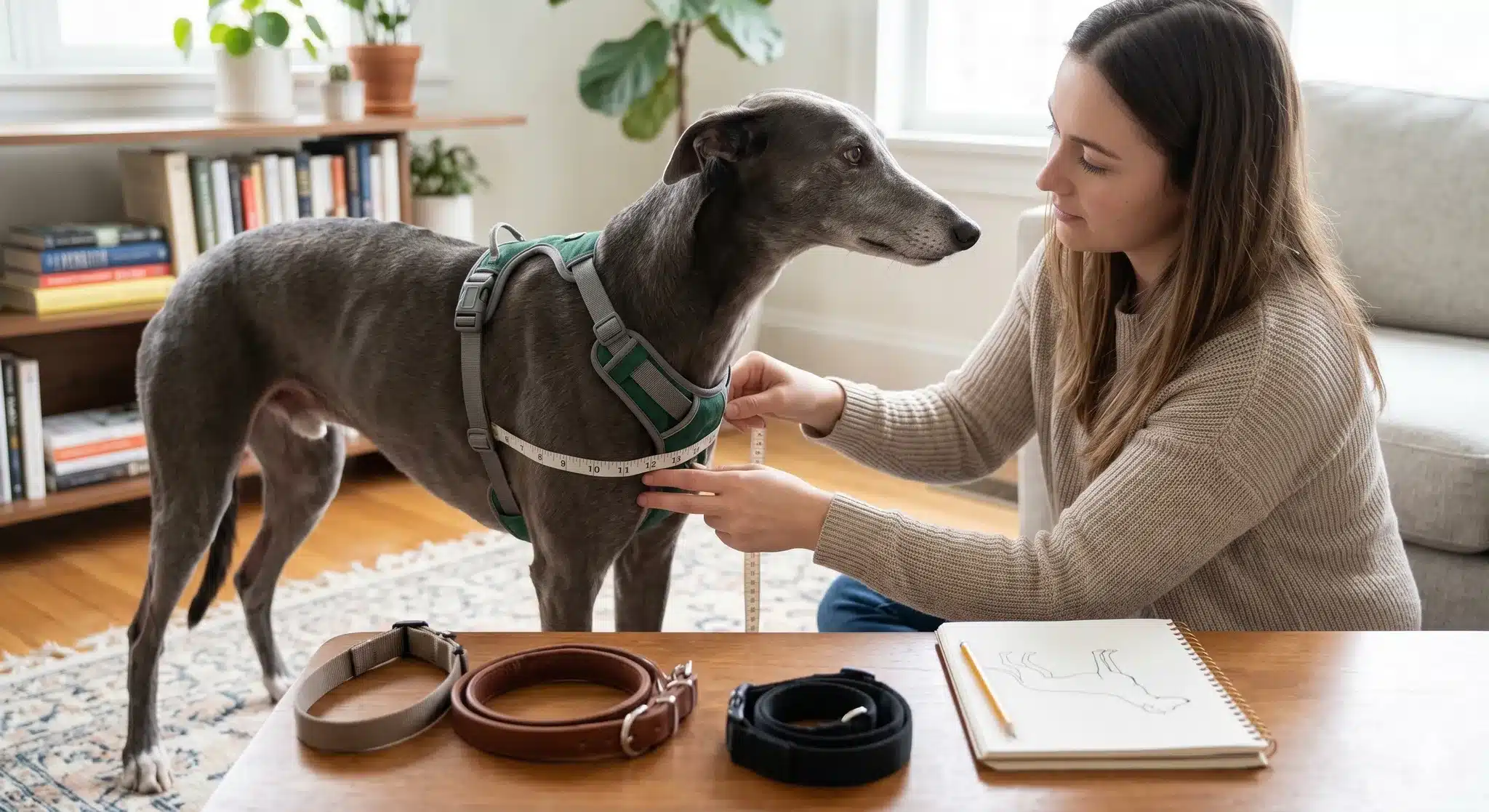
Summary: A dog's shape—its unique 'drawing'—is key to choosing the right harness or collar. Different types, from rolled leather 'rundsyet' collars to front-clip harnesses, suit different breeds, sizes, and be
From Fur to Functional: Which Collar or Harness is Best for Your Dog?
The first step in choosing the right equipment is to study your dog's unique anatomy—its physical 'drawing' or silhouette. Just as artists sketch an outline before adding detail, owners must understand their dog's build to ensure comfort and safety. A deep-chested Greyhound has vastly different needs from a stocky French Bulldog. This initial observation informs whether a collar or a harness is more appropriate, and which specific type will perform best. Collars, the traditional choice, come in several styles. A standard flat collar, often made of nylon or leather, is suitable for most dogs with no respiratory issues or strong pulling tendencies. For canines with long, easily matted fur, like a Briard or a Rough Collie, a 'rundsyet halsbånd' or rolled leather collar is an excellent choice, as its round shape prevents fur from breaking or tangling. Then there are martingale collars, which provide gentle, even pressure when a dog pulls, making them a safer option than choke chains for sighthounds and other dogs whose heads are narrower than their necks, preventing them from slipping out. Considering your dog's breed, coat type, and neck structure is a non-negotiable starting point before you even begin to consider materials or colours. It's about function first, ensuring the equipment works in harmony with your dog's natural form.
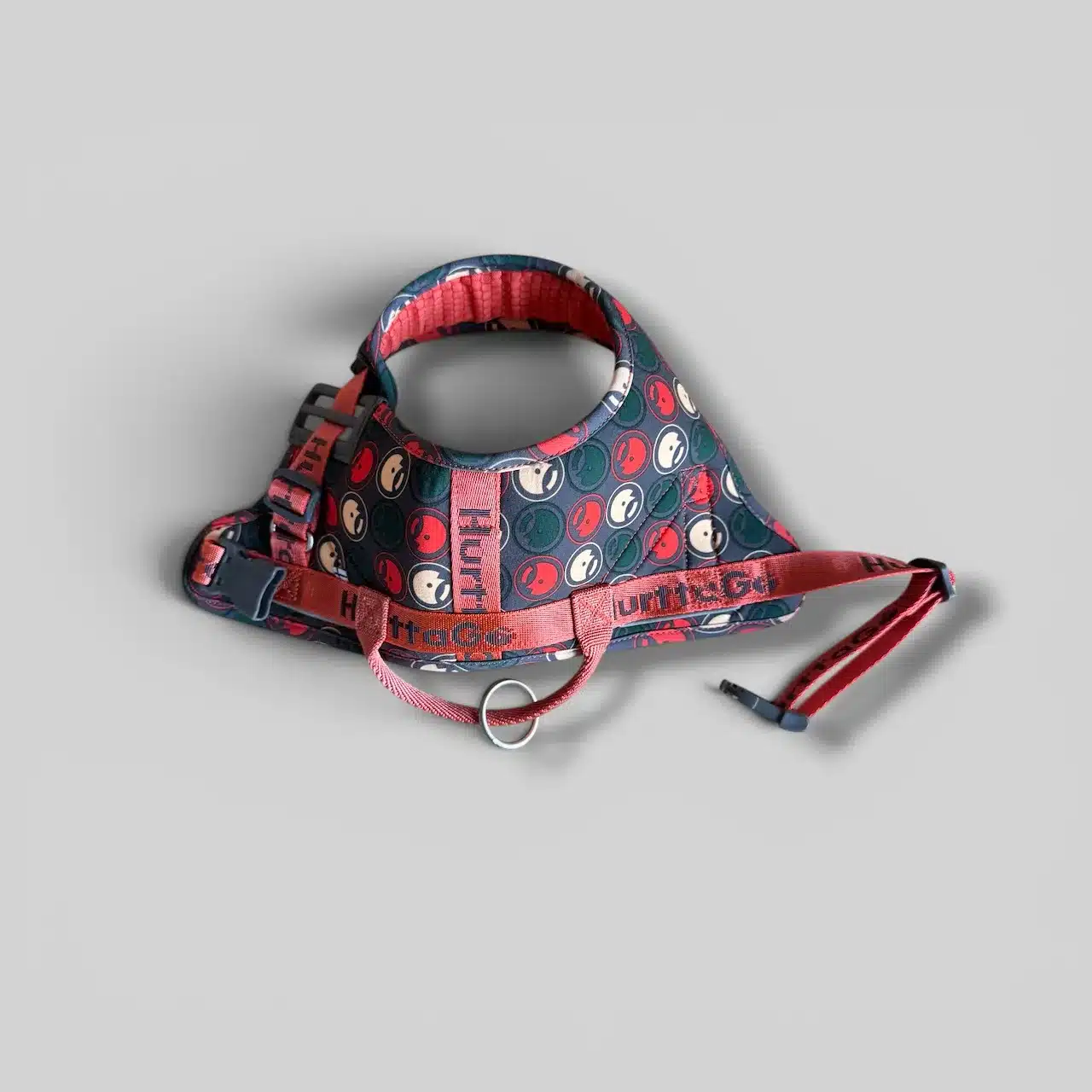
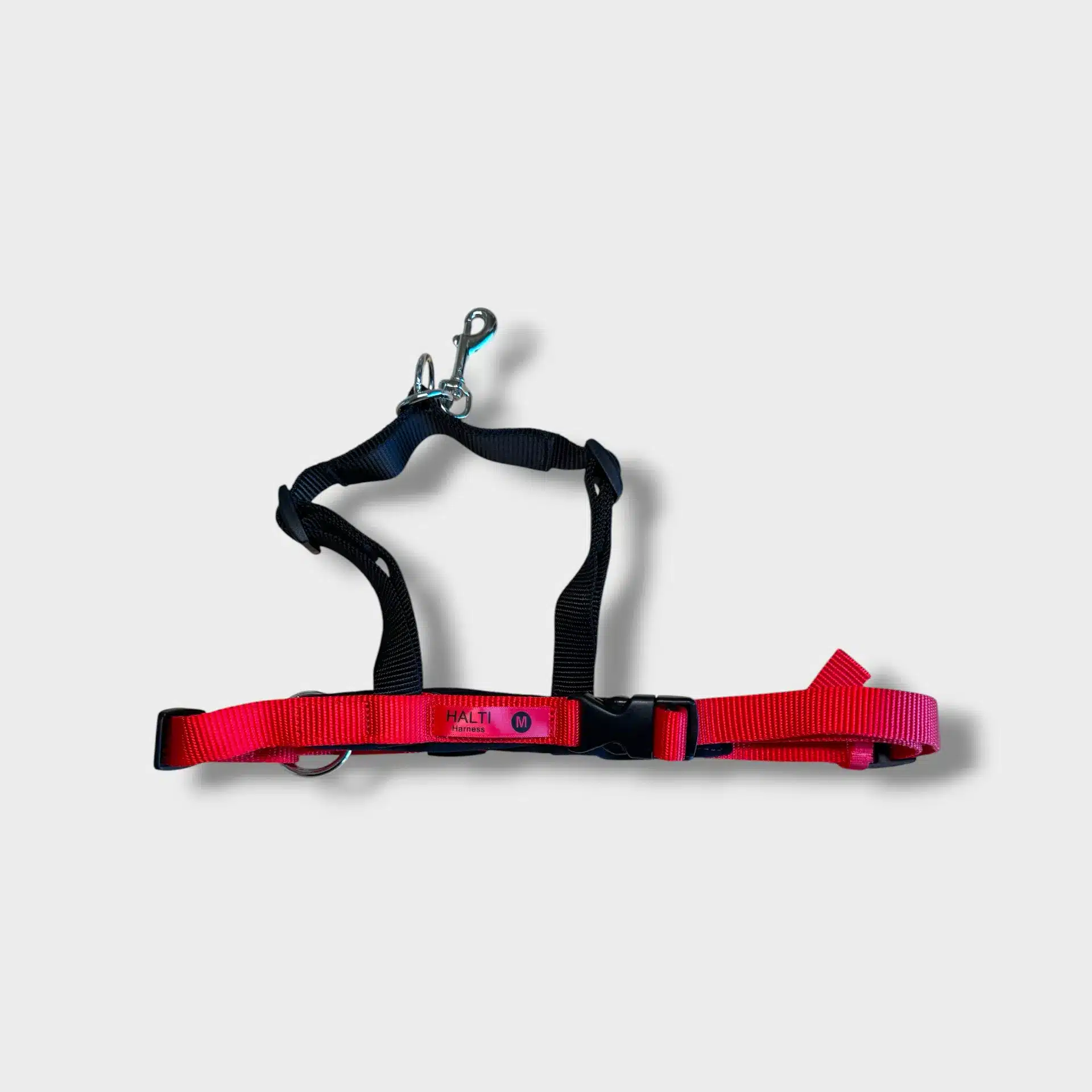
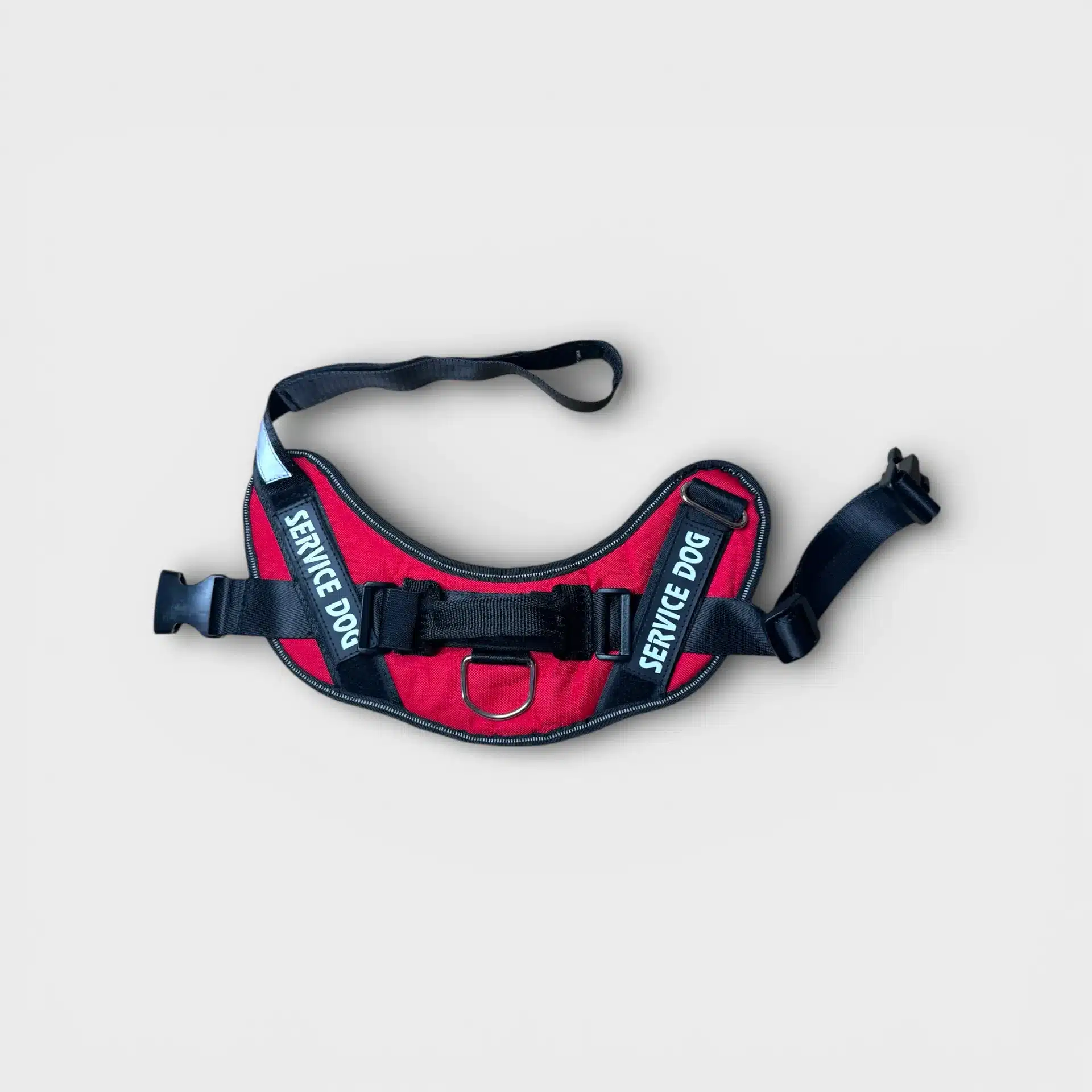
Harnesses offer a popular alternative to collars, distributing pressure across the chest and back rather than concentrating it on the neck. This is particularly beneficial for brachycephalic (flat-faced) breeds like Pugs and Boxers, whose airways can be compromised by neck pressure, and for small breeds prone to tracheal collapse. The main harness categories include back-clip, front-clip, and the dual-clip models. A standard back-clip harness is easy to put on and is comfortable for calm dogs, but it can inadvertently encourage pulling in some. For more control, a front-clip harness, which redirects a pulling dog back towards the owner, is a powerful training aid. Another convenient option is the 'step-in sele' (step-in harness), which the dog simply steps into with its front paws before it's secured. This style is fantastic for dogs who are head-shy or dislike having things pulled over their ears. Ultimately, the decision between a collar and a harness—and which specific model—is a practical one. It hinges on your dog’s specific needs related to breed, behaviour, and health, moving beyond simple aesthetics to a choice rooted in their well-being and your shared daily experience.
The Two-Finger Rule: To check for a correct fit on any collar or harness, you should be able to comfortably slide two fingers flat between the material and your dog's body. If you can't, it's too tight. If you can fit more, it's too loose and poses an escape risk.
The Perfect Fit: A Focus on Size, Safety, and Materials
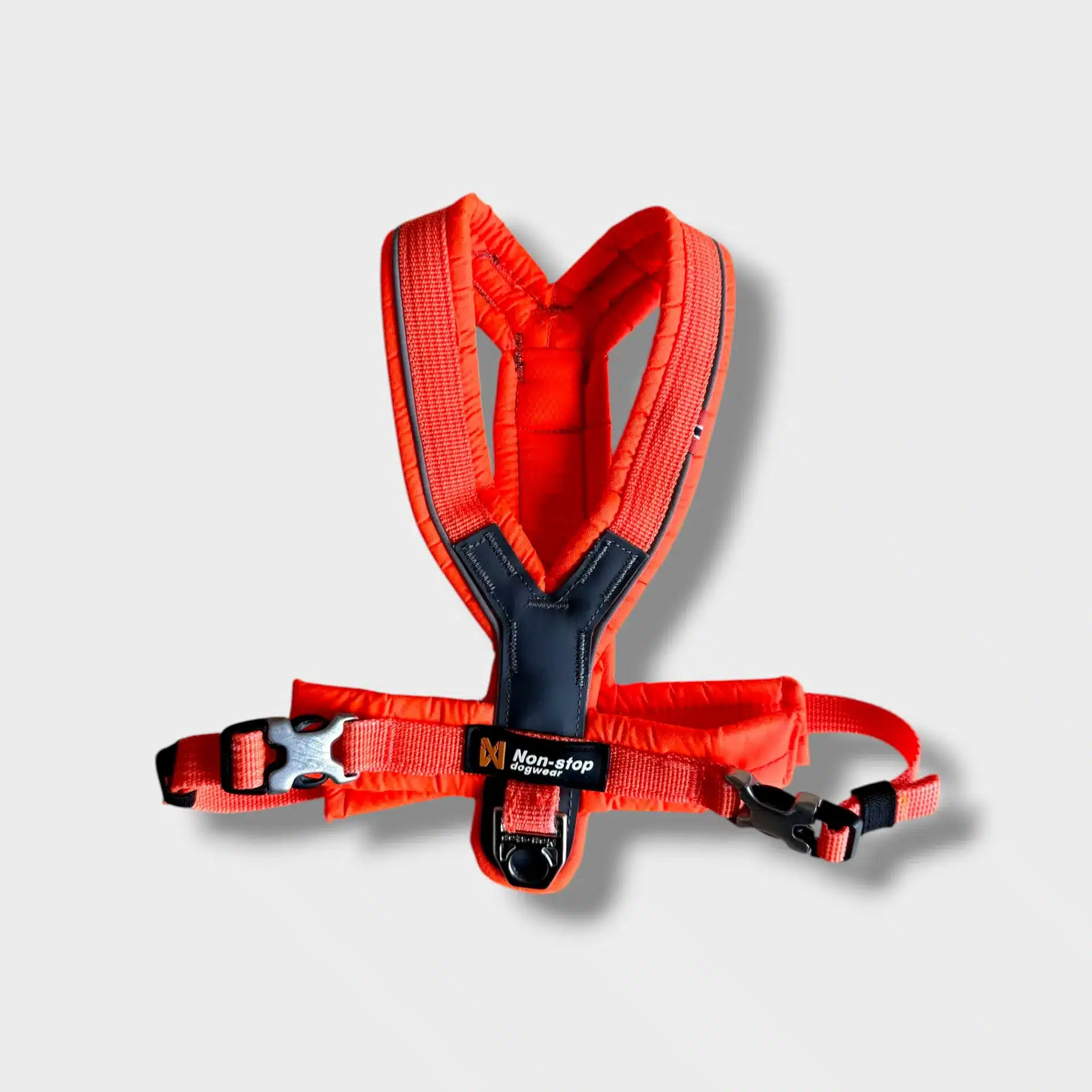
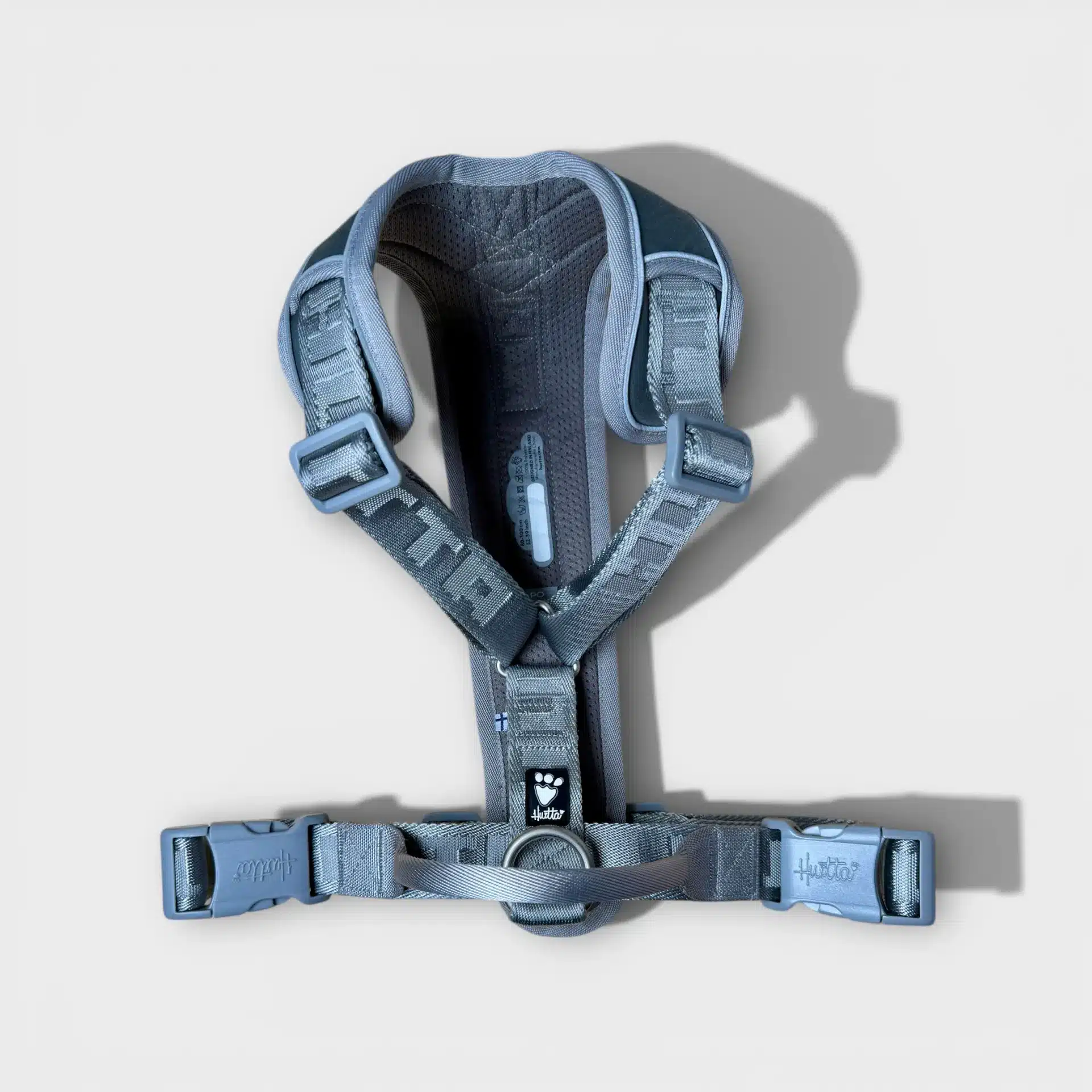
What to check: A correctly fitted collar or harness is a critical component of your dog’s safety and comfort, and achieving this fit requires more than a simple guess. To measure your dog accurately, use a soft measuring tape. For a collar, measure the circumference of your dog’s neck at the point where the collar will naturally sit. For a harness, you’ll typically need two measurements: the chest circumference (around the widest part of the ribcage, just behind the front legs) and the neck circumference. Always refer to the manufacturer’s specific sizing chart, as dimensions vary significantly between brands. Once the product is on your dog, perform the 'snug-fit two-finger rule'—you should be able to slip two fingers snugly between the strap and your dog's skin. An ill-fitting harness or collar can cause a range of problems. If it’s too tight, it can lead to chafing, skin irritation, hair loss, and restricted breathing or movement. If it's too loose, the dog could slip out and escape, a particularly high risk near busy roads. Pay close attention to pressure points. With harnesses, ensure the straps don't sit directly in the dog's 'armpits', where they can cause painful rubbing. A Y-shaped harness, for example, is often recommended as it keeps the shoulder joints free to move without restriction. Observing your dog's movement and skin after a walk will provide the ultimate confirmation of a good fit.
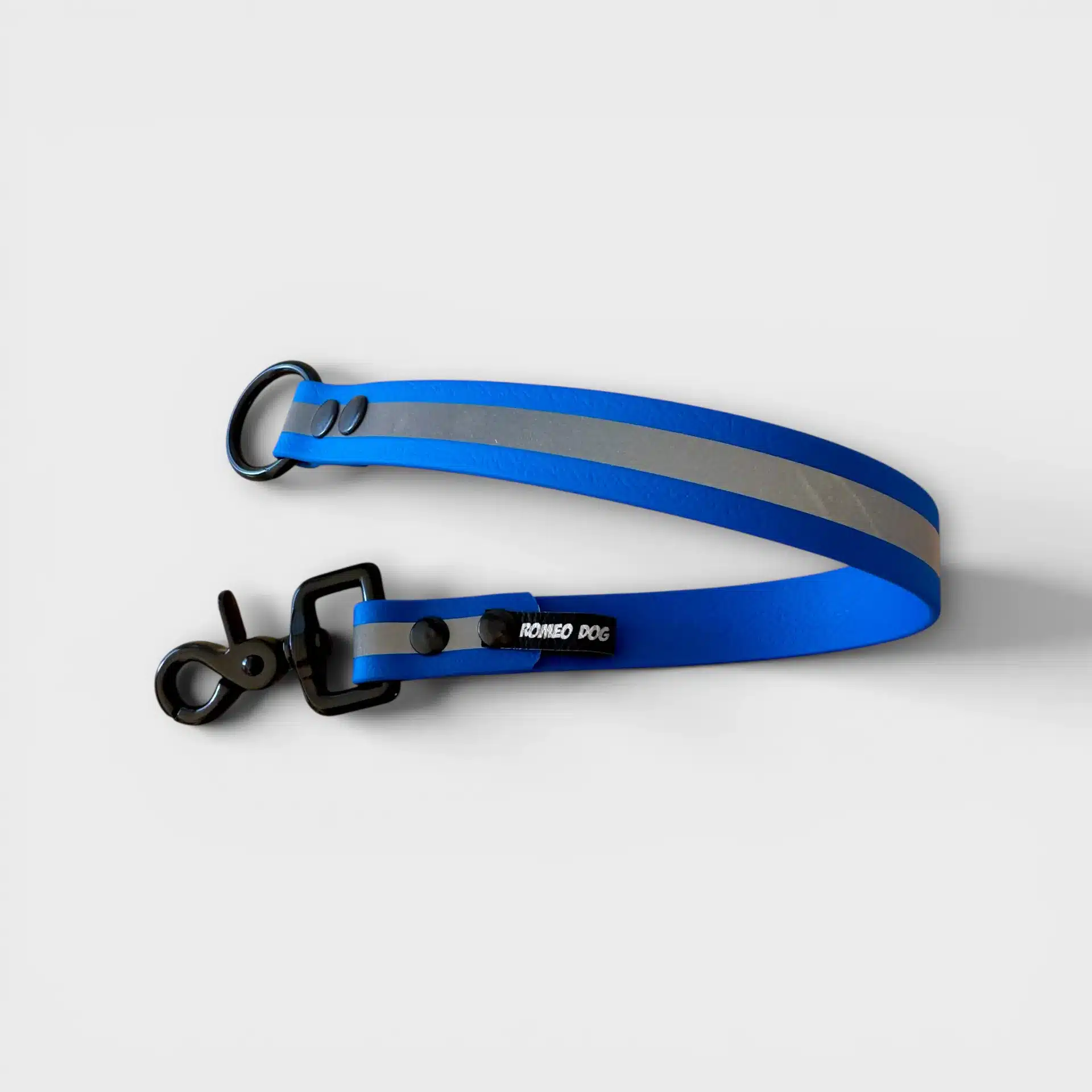
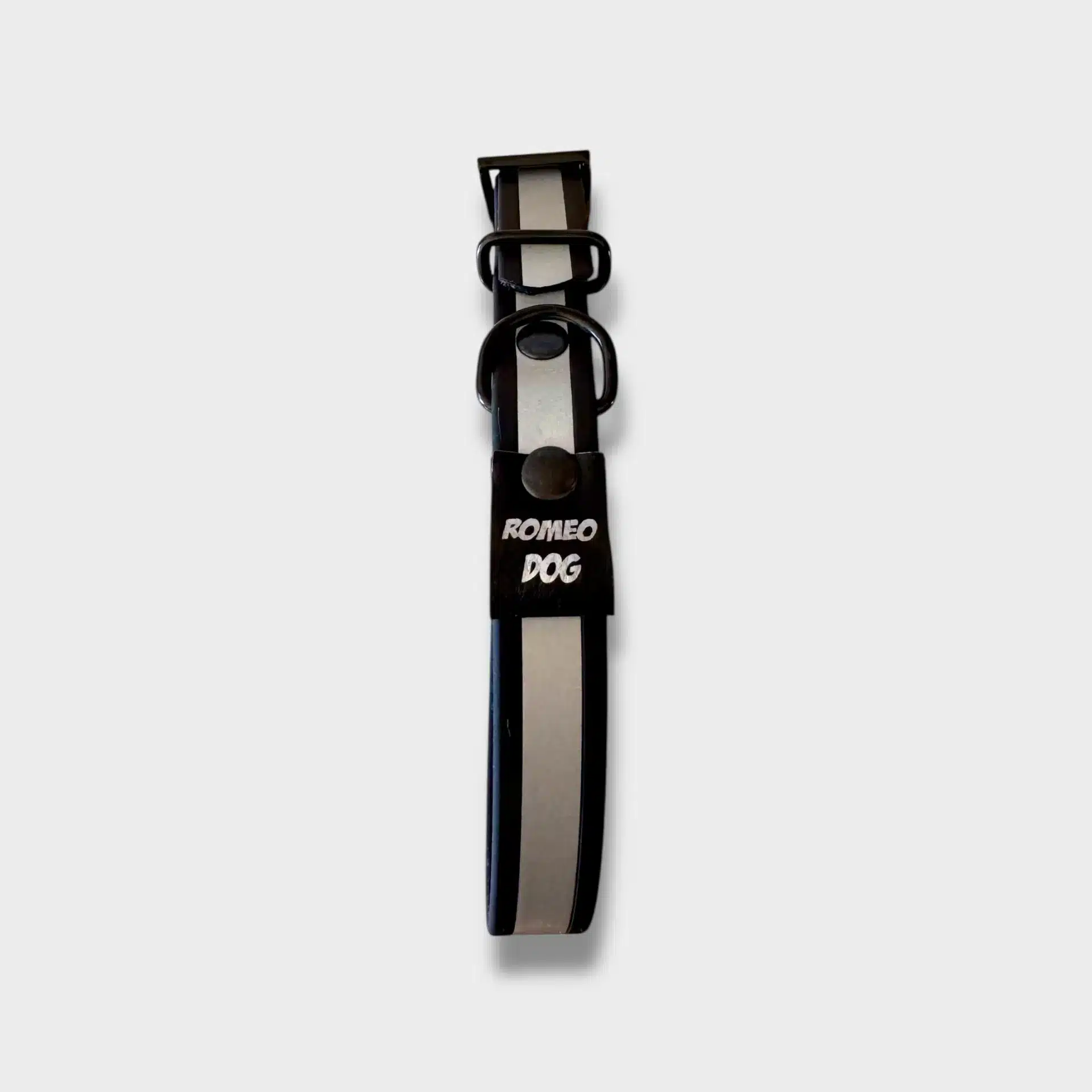
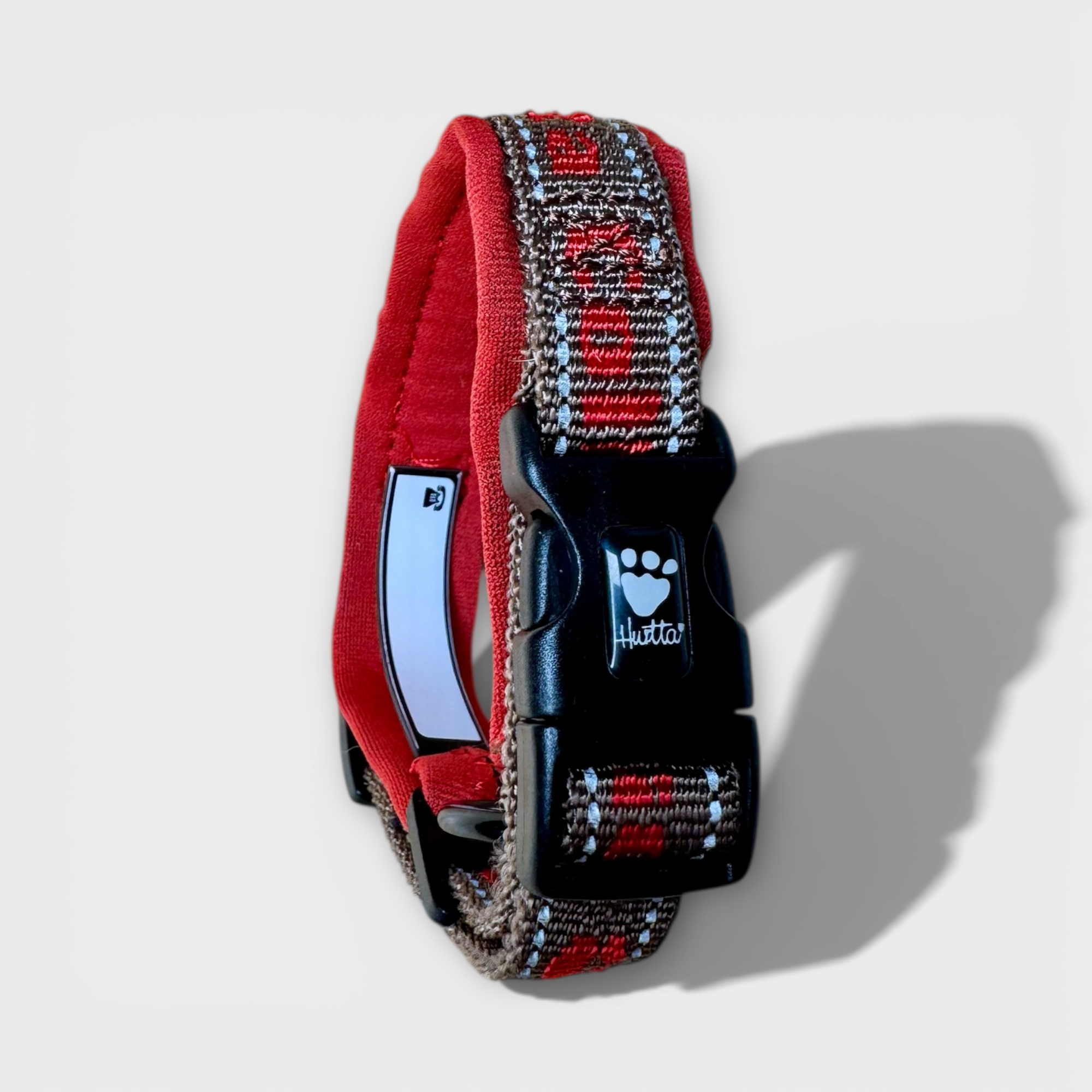
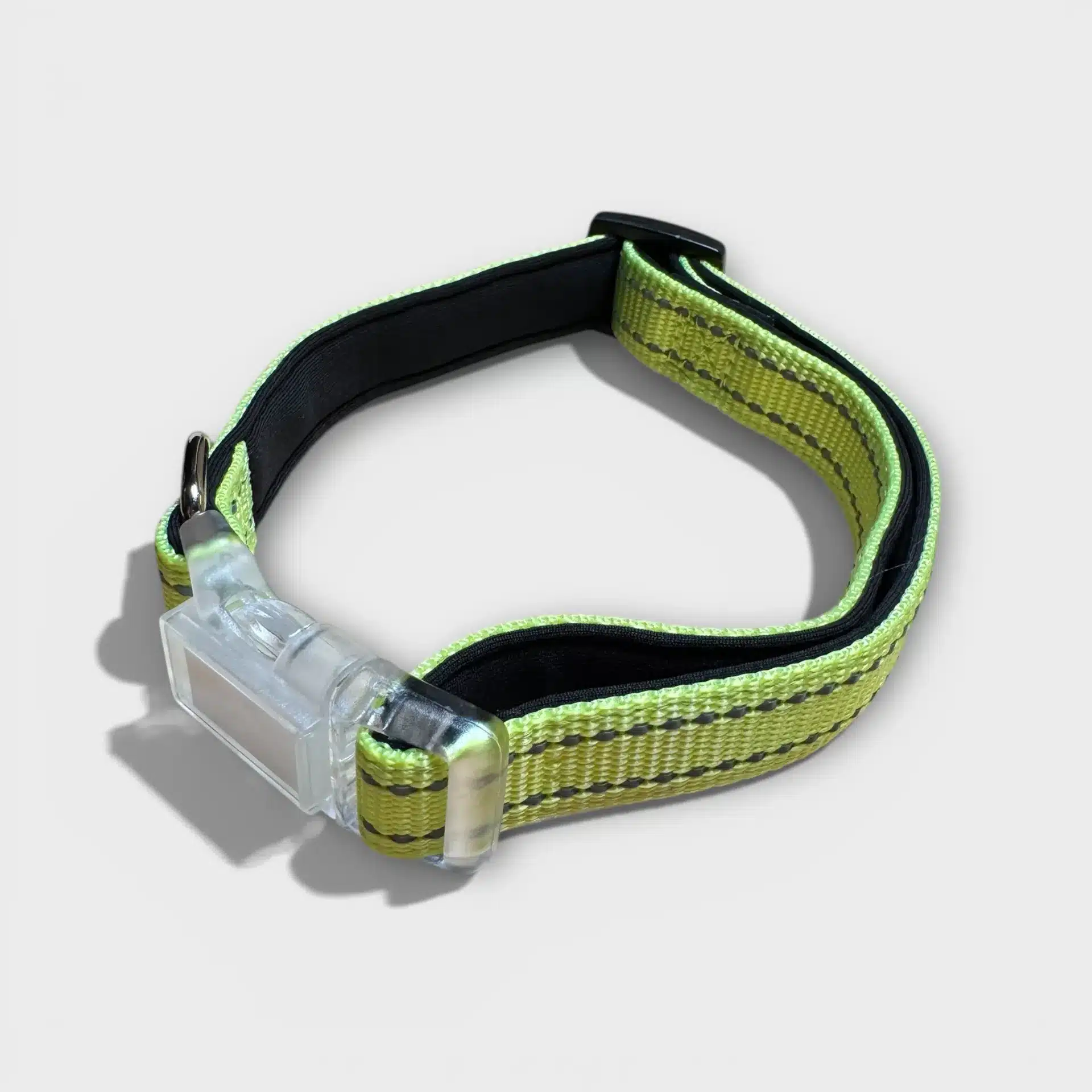
Beyond fit, the material of a collar or harness directly impacts durability, comfort, and safety. For walks during dawn, dusk, or at night, accessories with integrated reflective stitching or panels are not just a feature—they are a necessity for visibility. When it comes to the core material, you have several excellent choices. Leather, especially when used in a 'rundsyet halsbånd' (rolled collar), is a traditional, durable, and breathable option that becomes softer with age. It is ideal for dogs with sensitive skin, provided it is properly maintained. Nylon is a hugely popular, affordable, and robust synthetic choice. It’s easy to clean, available in countless colours, and dries quickly, making it a practical option for everyday use and for dogs who love to swim. However, for the ultimate in durable, all-weather performance, many owners are turning to Biothane. This PVC-coated webbing is 100% waterproof, odour-resistant, and incredibly strong. It has the soft, flexible feel of broken-in leather but requires virtually no maintenance—a simple wipe-down is all it needs. For dogs with skin allergies, hypoallergenic materials or padded options lined with neoprene can provide extra comfort and prevent irritation. The right material balances your dog’s comfort with the realities of your lifestyle and local climate.
A well-fitted harness is a conversation, not a command, speaking volumes in comfort and trust.
Collars & Harnesses
Sustainability Meets Dog Life: A Checklist for Second-Hand and Maintenance
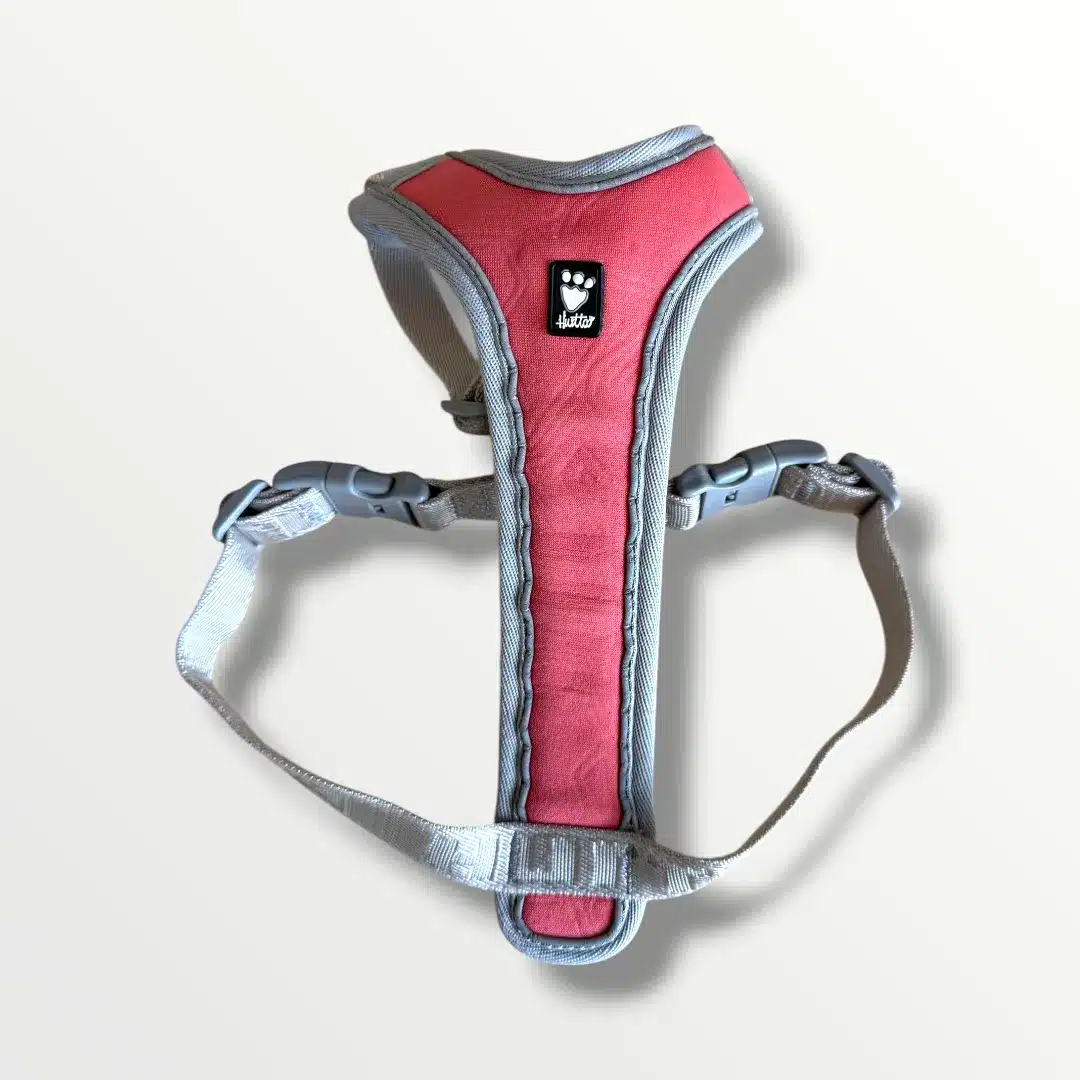
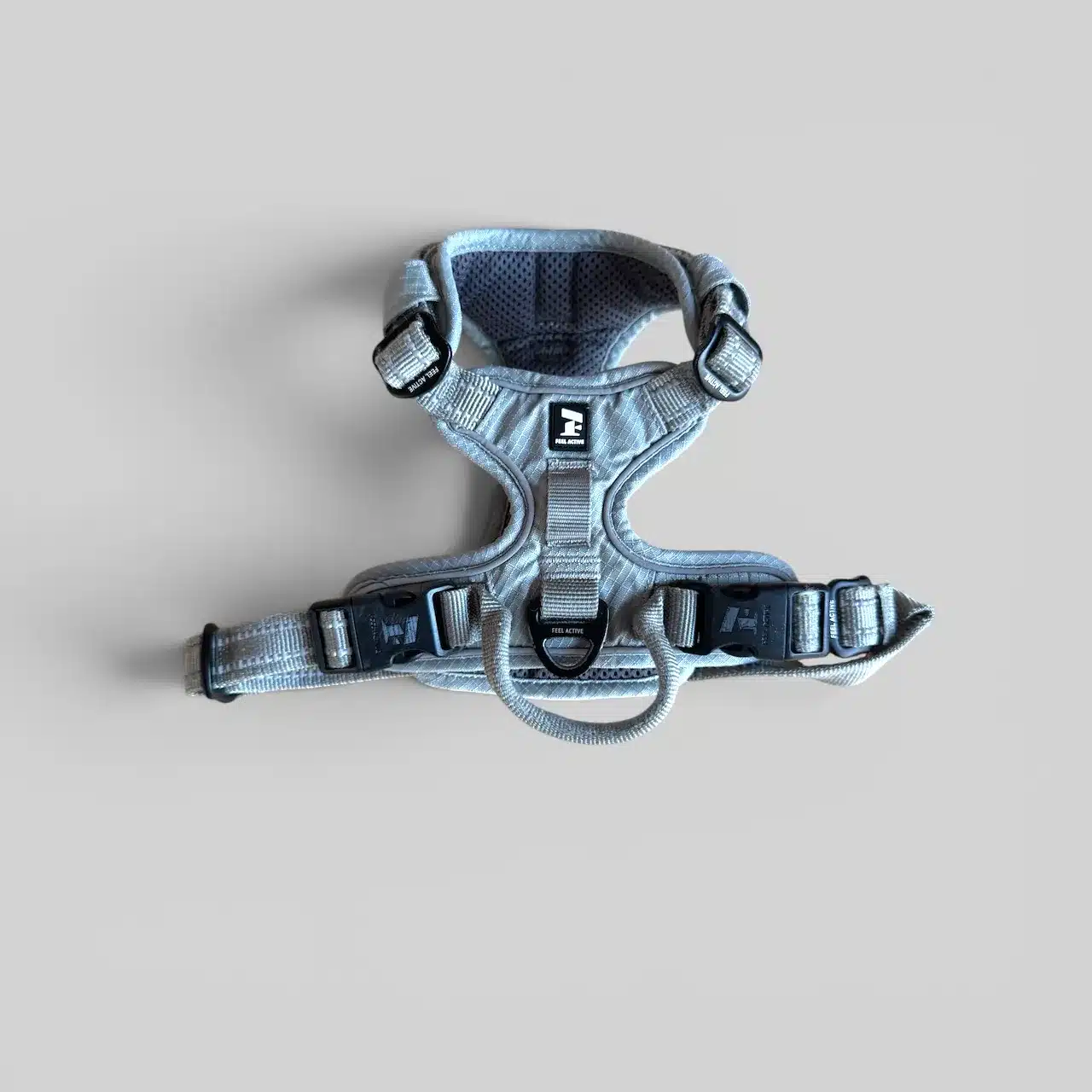
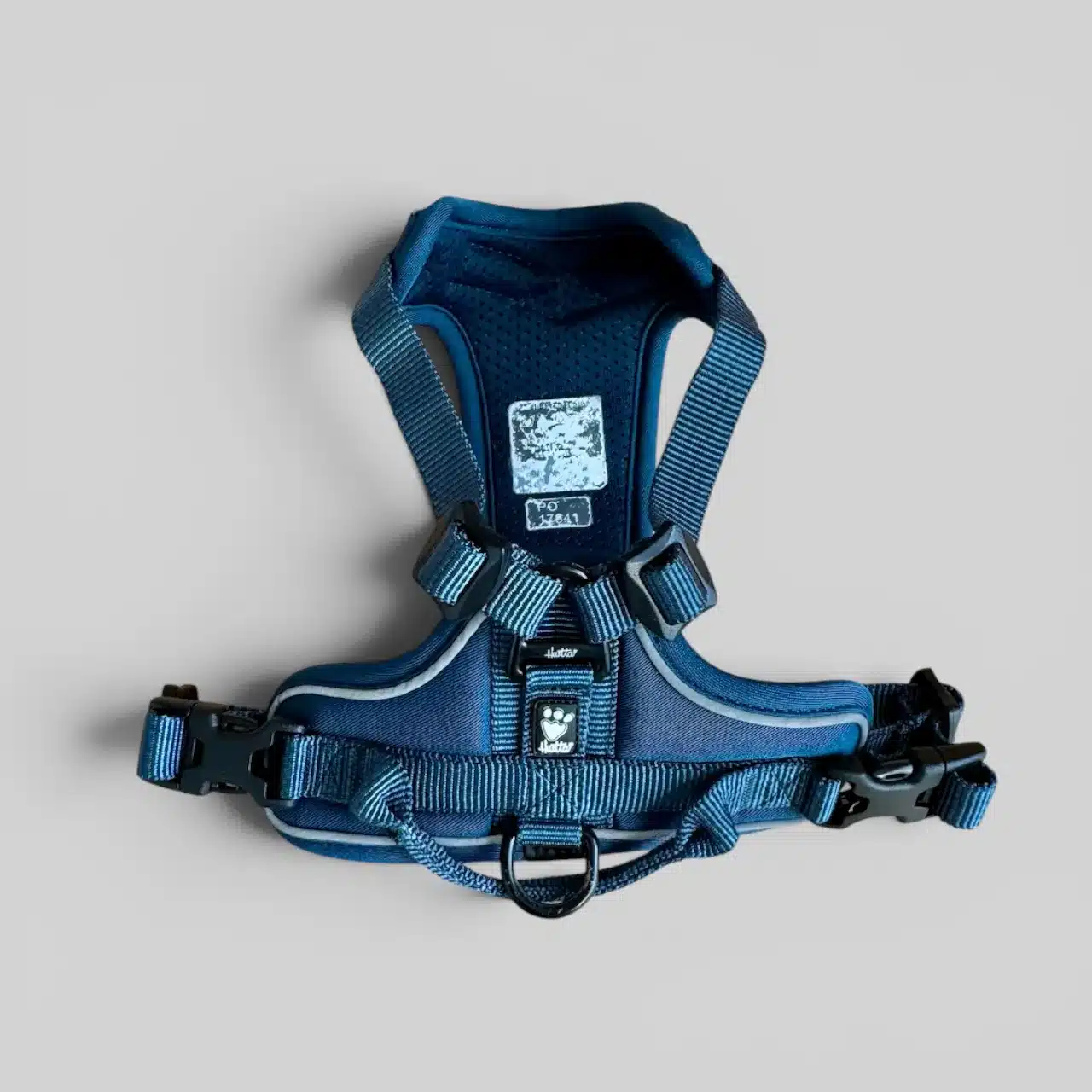
Why it matters: Opting for second-hand pet accessories is one of the most impactful choices a dog owner can make for the environment. The production of new materials, whether it's tanning leather or manufacturing nylon webbing, consumes significant amounts of water, energy, and chemicals. By choosing a pre-loved collar or harness, you directly divert an item from landfill and reduce the demand for new production, conserving resources and cutting down on CO2 emissions. However, buying second-hand requires a diligent inspection to ensure the item is not just a bargain, but also completely safe for your pet. Before purchasing, conduct a thorough hands-on check. First, examine all hardware: look for cracks, rust, or stress marks on plastic buckles and metal D-rings. Test every clasp and buckle multiple times to ensure it engages securely and releases smoothly. Pull firmly on the main straps and connection points to test the integrity of the stitching; any loose threads or fraying near load-bearing seams is a major red flag. Bend and flex the material to check for brittleness or deep cracks, especially in older leather or coated webbing. Finally, don't underestimate your sense of smell. A persistent musty or mildew odour can be difficult to remove and may indicate improper storage or unseen mould.
Once you've brought a second-hand item home, proper sanitization is key. The cleaning method depends entirely on the material. Most nylon or fabric collars and harnesses can be hand-washed with a pet-safe detergent in warm water or placed in a mesh laundry bag and run through a gentle machine cycle. Leather items should never be soaked; instead, use a dedicated leather cleaner and conditioner to restore moisture and maintain flexibility. For waterproof materials like Biothane, the process is simplest: just wipe it down with a cloth and a mild, pet-safe disinfectant. After cleaning, always air dry the item completely, away from direct heat or sunlight, which can damage the materials. Regular maintenance is crucial for extending the lifespan of any collar or harness, new or used. Periodically re-check buckles and stitching, especially after vigorous activity or exposure to water. Even the highest quality gear won't last forever. It’s time to retire an item when you notice significant fraying, stretched material that no longer holds its shape, or hardware that has become stiff or unreliable. For health-conscious owners, it's reassuring to know that with proper cleaning protocols, a used item can be just as hygienic as a new one, offering a responsible and budget-friendly way to provide for your dog.
For Strong Pullers
A front-clip, Y-shaped harness redirects forward momentum safely without choking. It's a training tool, not just a restraint.
For Sensitive Necks/Breeds
Any harness is better than a collar for brachycephalic breeds or dogs with tracheal issues. Look for wide, padded straps.
For Escape Artists
A well-fitted martingale collar or a multi-point harness (like Ruffwear's Web Master) offers superior security for nervous dogs or sighthounds.
For Long-Haired Dogs
A 'rundsyet' (rolled) leather collar prevents matting and fur breakage. For harnesses, choose smooth, simple designs over complex webbed ones.
More Than an Accessory: Collars, Harnesses, and Your Dog's Behaviour
Understand the connection: The equipment you use is an active part of the communication and training relationship you have with your dog. A common goal for owners is to manage pulling on the leash. A no-pull harness with a front attachment point can be an invaluable tool for this. When the dog pulls, the harness gently turns them back towards you, discouraging the behaviour without causing pain or fear. This is fundamentally different from corrective collars that rely on discomfort. The key is to use the harness as a training aid for positive reinforcement—rewarding the dog for walking on a loose lead—rather than relying on it as a permanent fix. Equally important is recognizing your dog's own feedback. A dog experiencing discomfort from their gear will show subtle but clear signs of stress. Look for canine body language cues like frequent stopping and scratching at the harness, a tucked tail, flattened ears, lip licking, or avoiding having the harness put on. These are not signs of a 'stubborn' dog, but of a dog communicating distress. A comfortable dog moves freely, with a relaxed posture and a neutral or happy tail position. Taking these signals seriously and investigating the fit or style of the equipment is a cornerstone of responsible ownership.
Beyond training, your dog's collar or harness plays a vital role in their safety and identification. Even if your dog is microchipped—a legal and essential requirement in many European countries—an external ID tag is the fastest way for a finder to contact you. The tag should include your phone number and perhaps a note like 'I am microchipped'. This simple addition can prevent a stressful trip to a vet or shelter for scanning. This highlights a broader point about responsible ownership, which stands in stark contrast to the misconception of a 'gratis hund' (free dog) implying no further costs or duties. A dog is a significant, long-term commitment. This commitment includes providing safe and appropriate equipment, consistent training, and proper identification. The collar or harness is not merely a 'handle' for your dog; it is a piece of gear that influences their behaviour, their comfort, and their security in the world. Choosing it thoughtfully and using it kindly, in conjunction with positive training methods, strengthens the bond of trust between you and your canine companion and sets the stage for years of pleasant walks and shared adventures.
Special Needs and Unique Choices: From Puppy to Senior Dog
Every stage of a dog's life presents unique equipment needs, and a one-size-fits-all approach rarely works. For a growing puppy, adjustability is paramount. Look for harnesses and collars with multiple adjustment points to accommodate their rapid growth spurts. It's often more economical and sustainable to buy a highly adjustable, quality item than to cycle through several cheap, poorly fitting ones. As dogs enter their senior years, their needs change again. They may develop arthritis or lose muscle mass, making mobility more challenging. A padded harness with a back handle can offer gentle support when they need help standing up or navigating stairs. Ease of use is also critical; a 'step-in sele' can be much easier to put on an older dog with limited flexibility than a complex harness that requires being pulled over the head. For dogs with specific health conditions, specialized equipment can make a world of difference. Cooling harnesses with integrated gel packs can help prevent overheating in warm weather, while certain styles of orthopedic harnesses can provide support for dogs with spinal or joint issues. The goal is to adapt the gear to the dog's changing body and comfort requirements over their entire lifetime.
Beyond life stages, specialized products and custom options cater to specific behavioral and safety needs. For instance, the 'Adaptil halsbånd maxi zoo' (Adaptil collar, often found at retailers like Maxi Zoo) is a veterinary-used product that releases a calming pheromone to help dogs cope with stressful situations like travel or fireworks. It's a behaviour-modification tool, not a restraint. Similarly, a 'Kentucky halsbånd' often refers to a stylish, high-quality collar, like those from the equestrian-inspired brand Kentucky Dogwear, which focuses on premium materials and a sophisticated look. For a personal touch, a 'halsbånd til hund med navn' (collar for a dog with name) offers a custom-embroidered or engraved solution for identification. While there may not be rigid, EU-wide 'ECE R44/04' style regulations specifically for dog collars, the principle of using tested, fit-for-purpose safety equipment is paramount. National and even local guidelines, such as those promoted by Denmark's Helsingør Kommune on animal welfare, emphasize the owner's responsibility to ensure their dog's equipment is safe, humane, and secure. This means no choke chains, ensuring proper fit, and always pairing equipment with responsible handling and training.
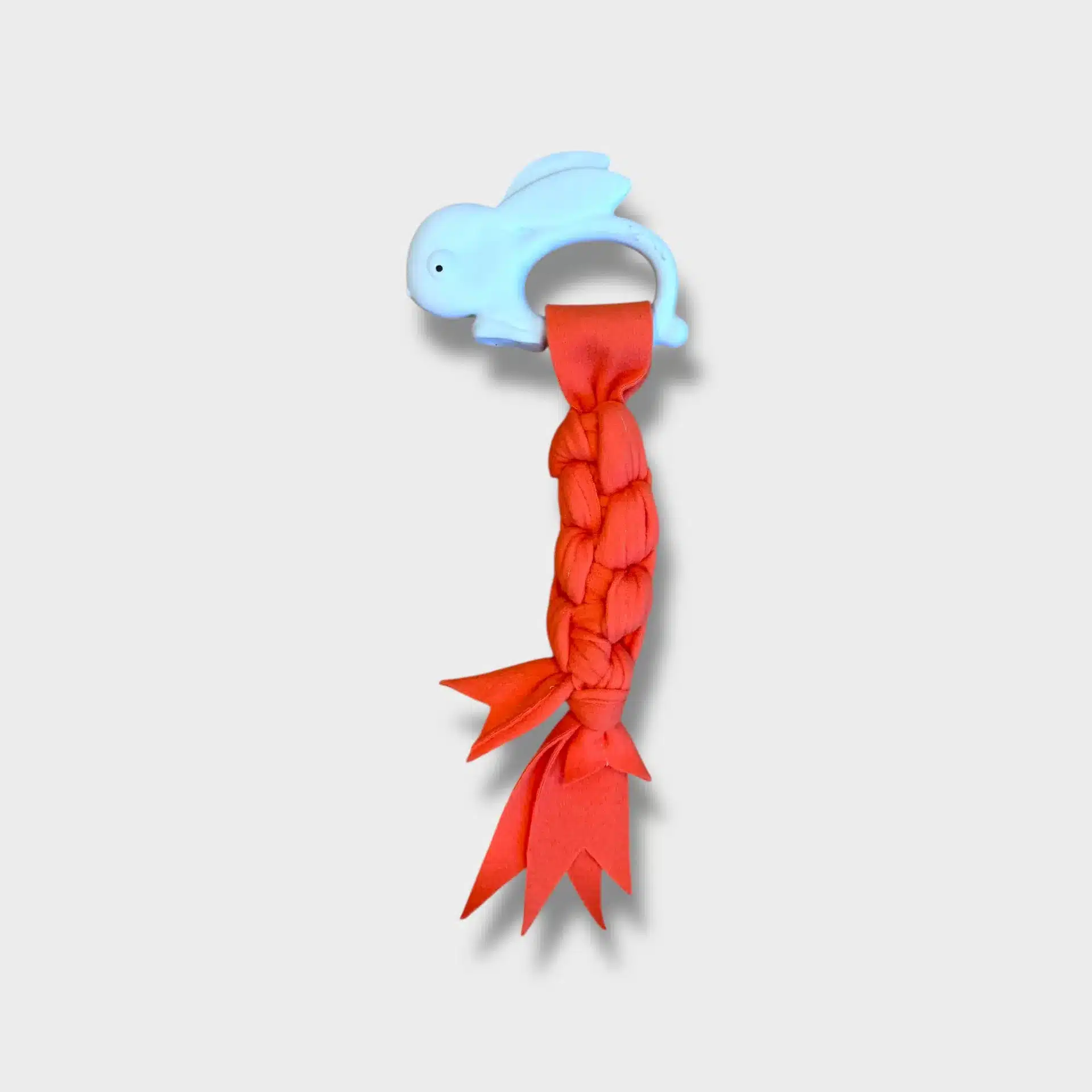
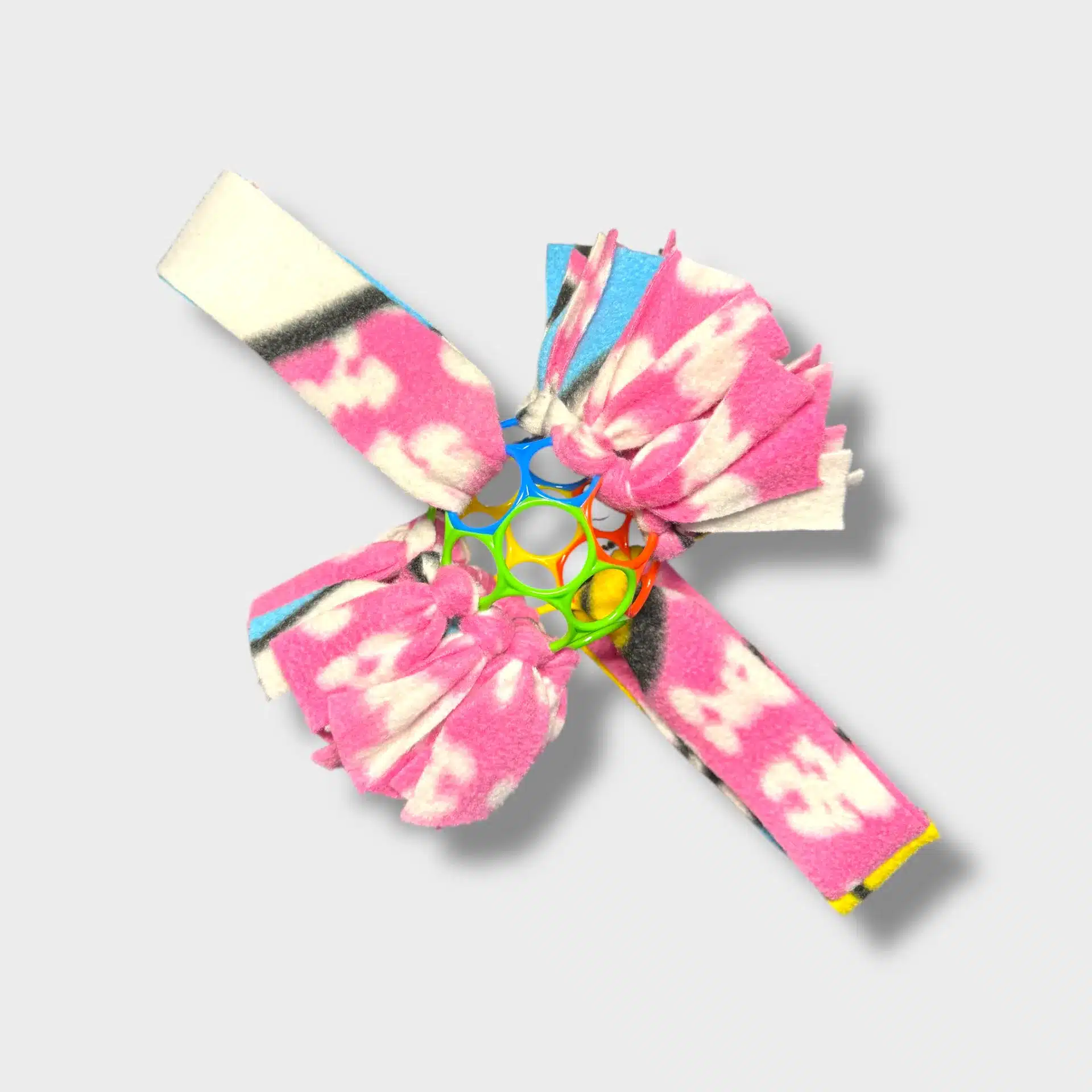
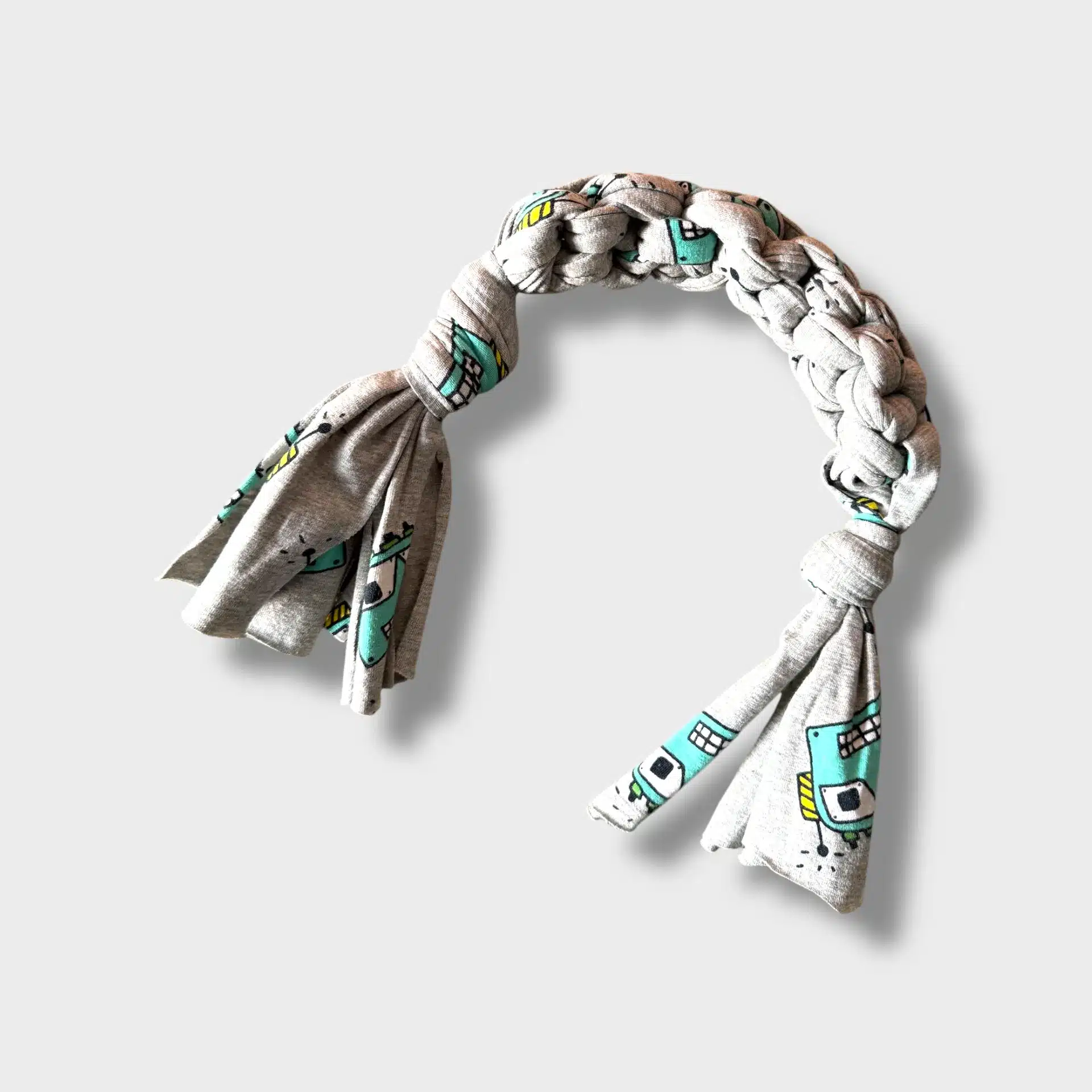
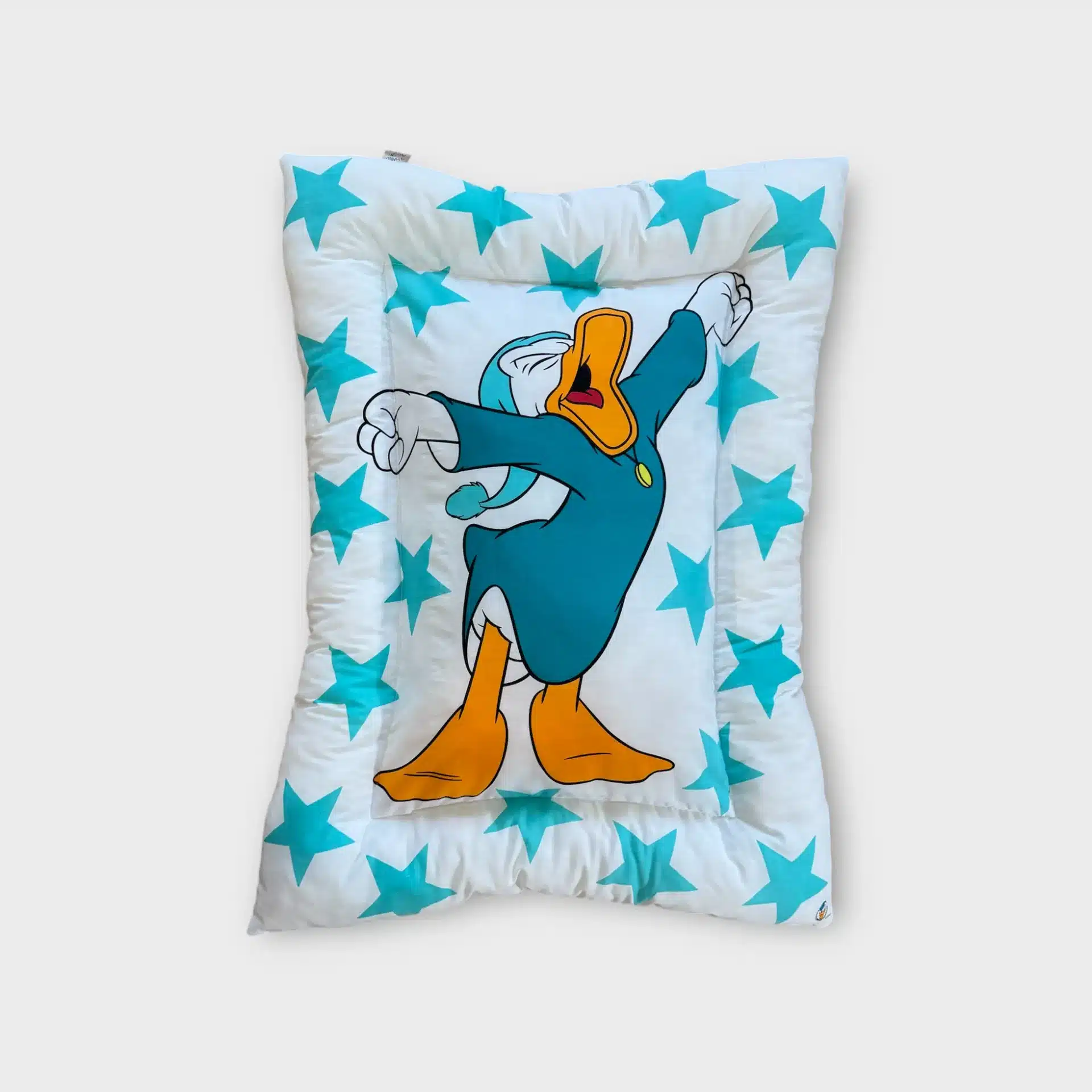
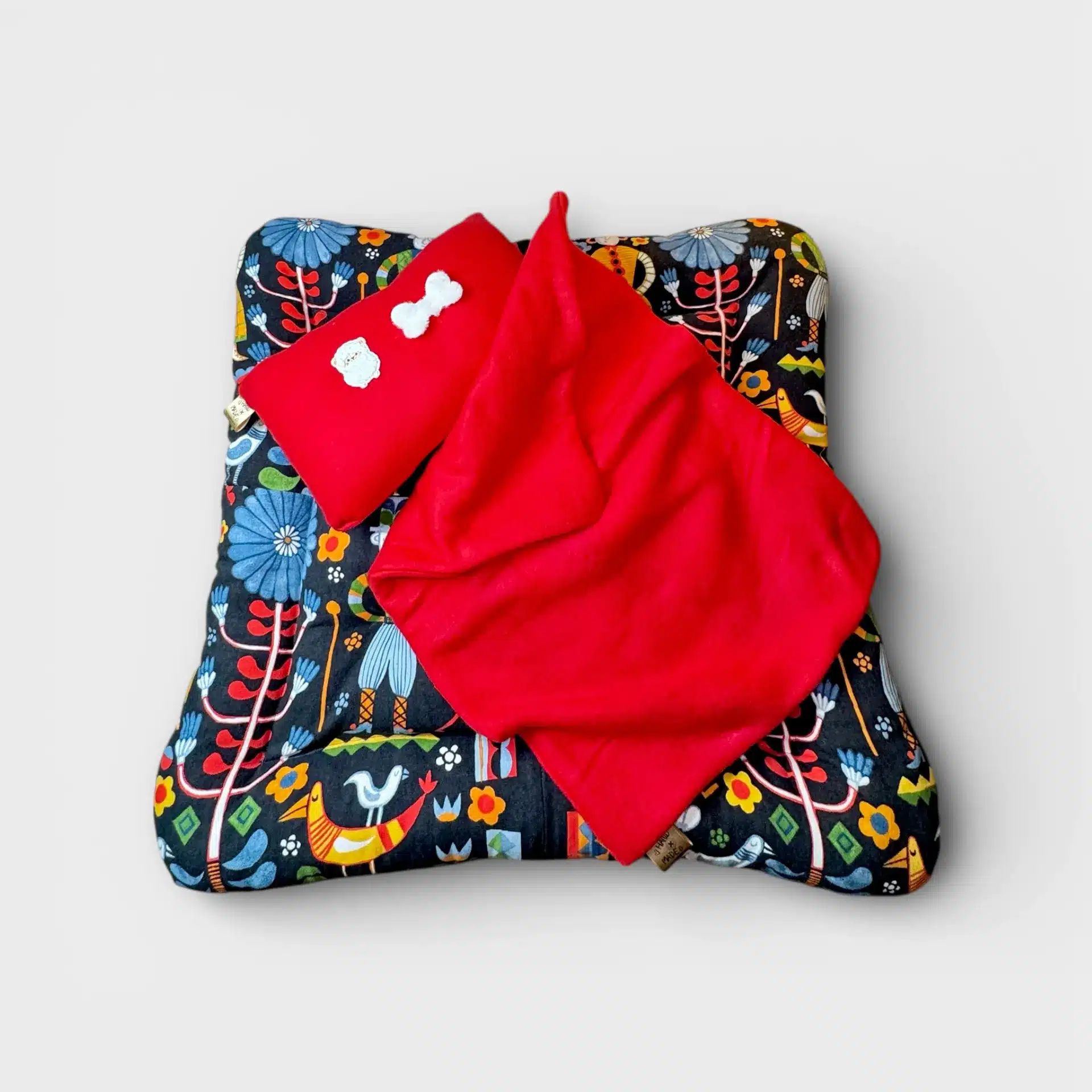
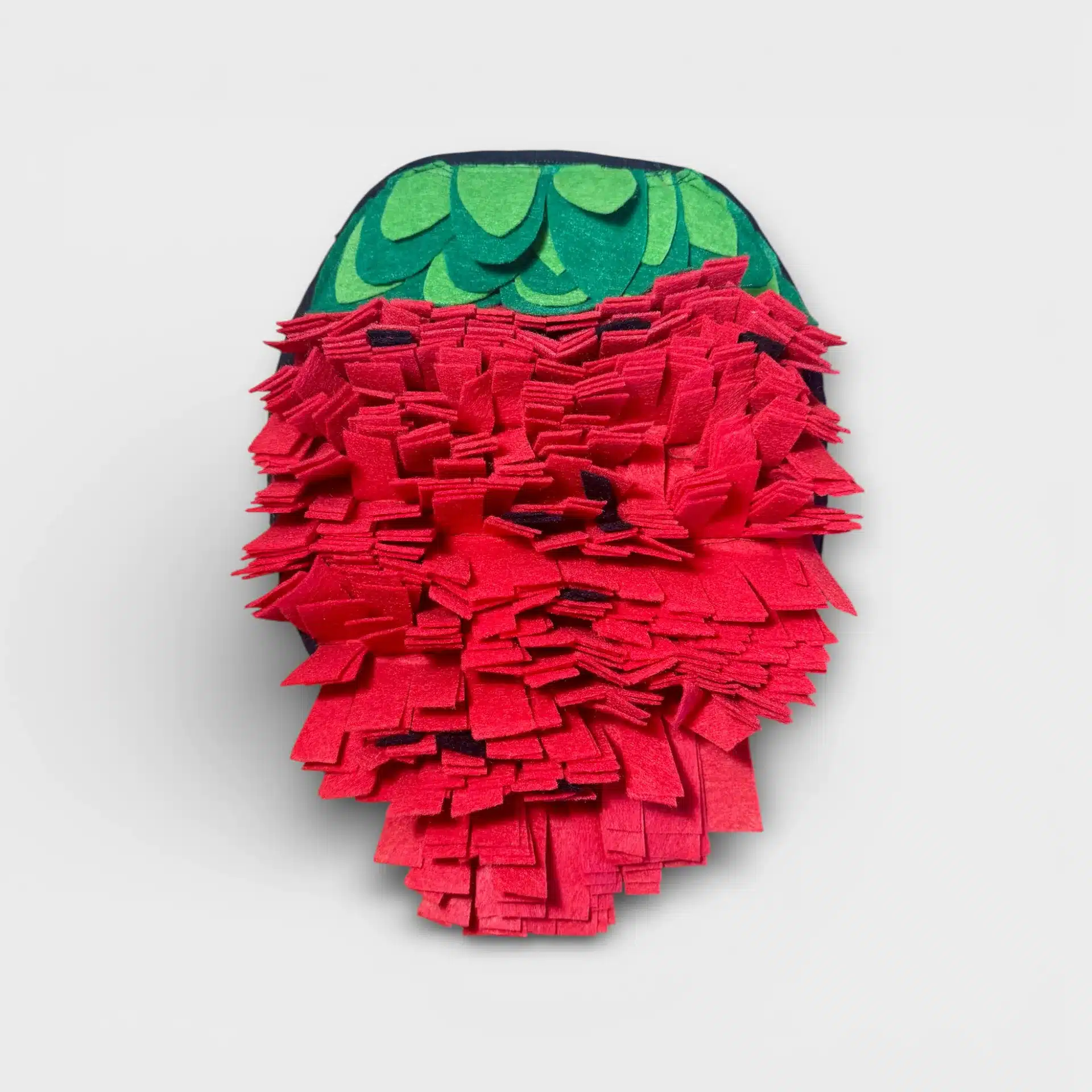
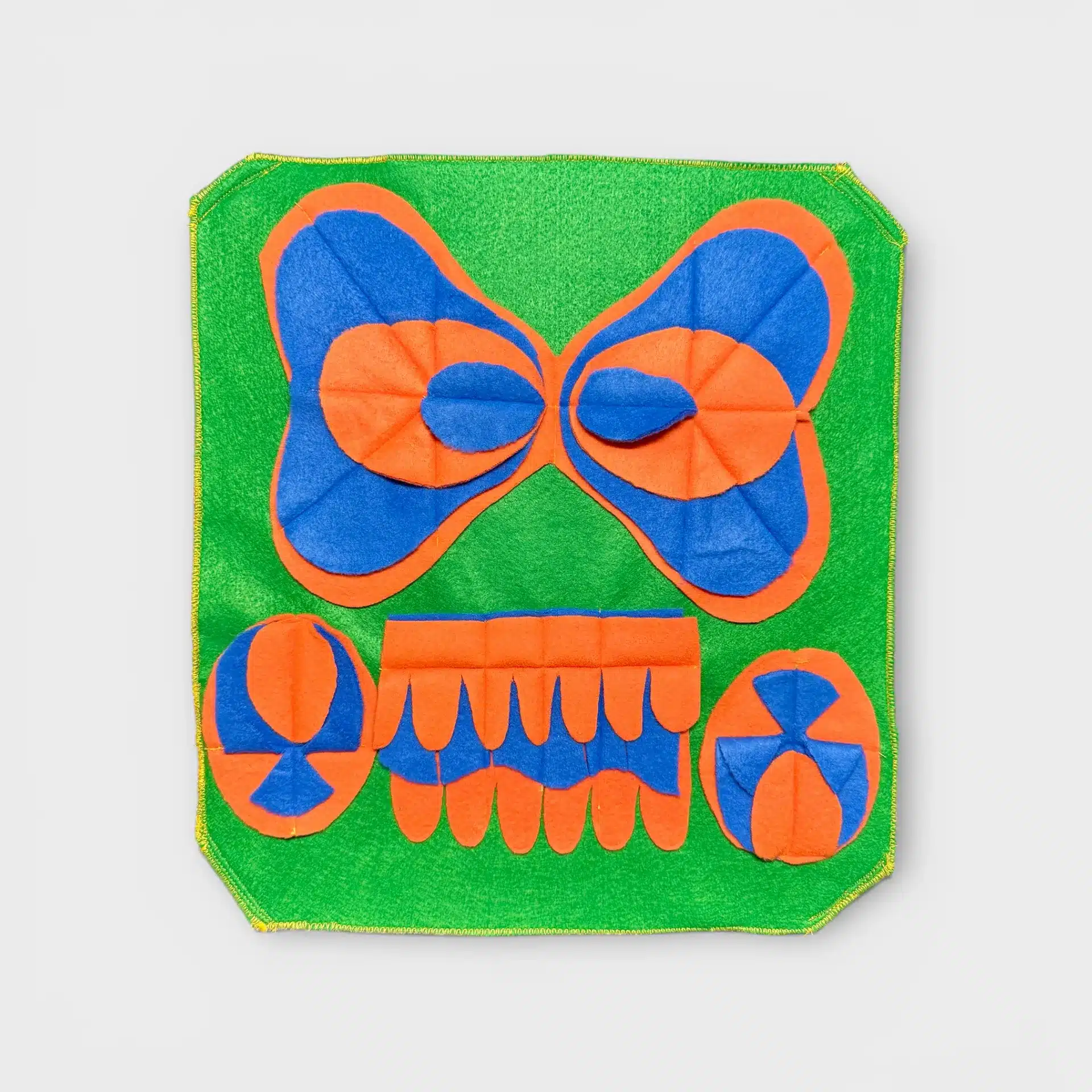
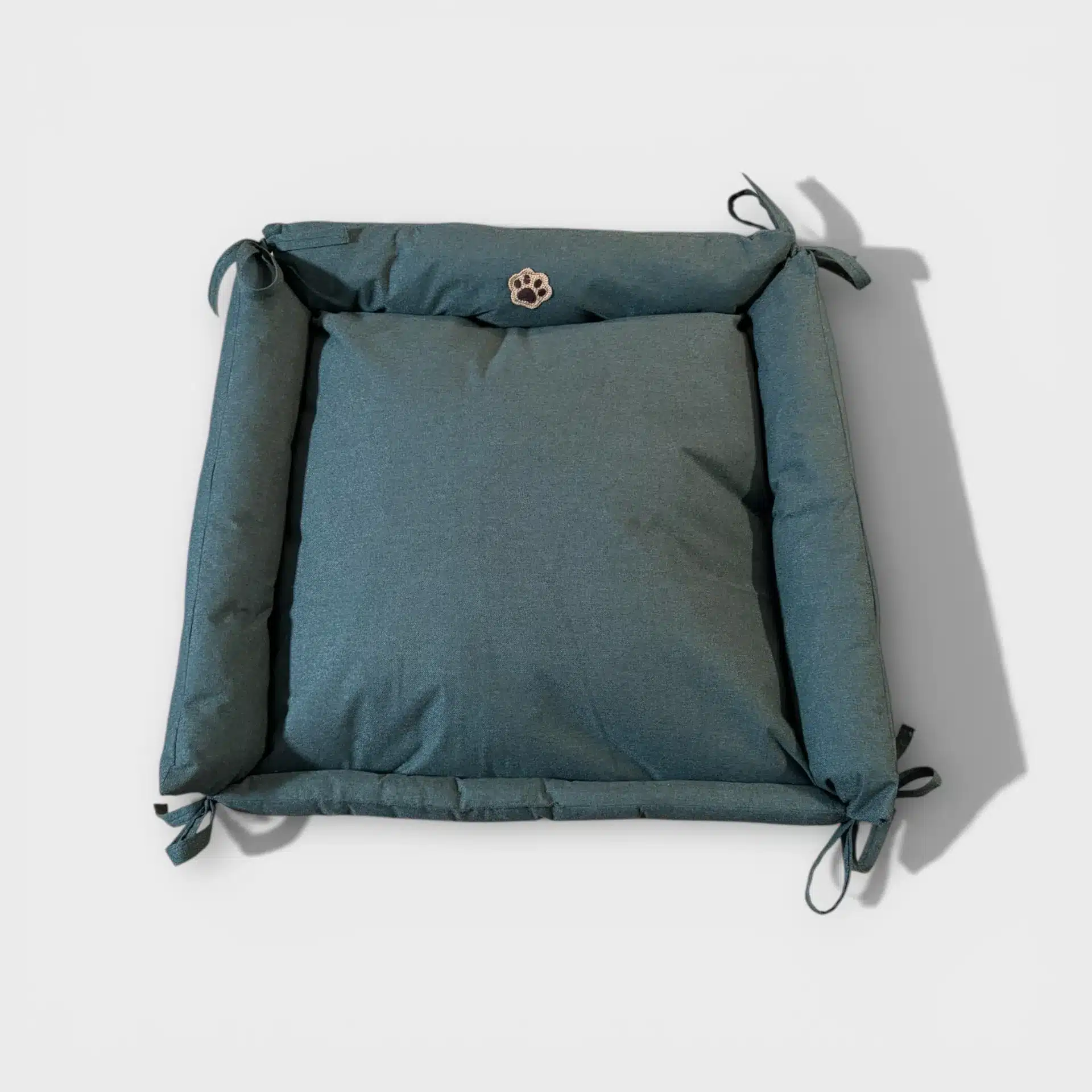
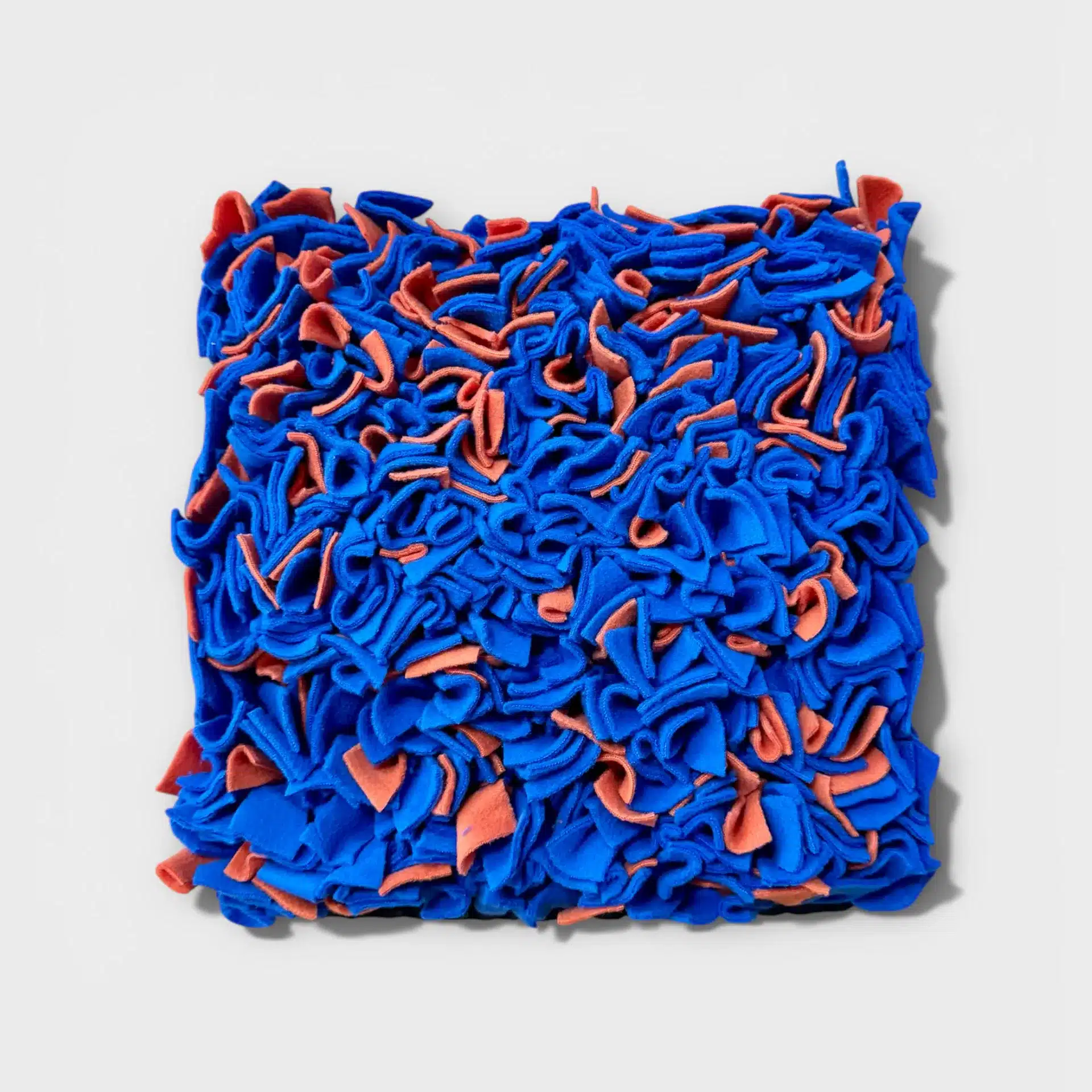
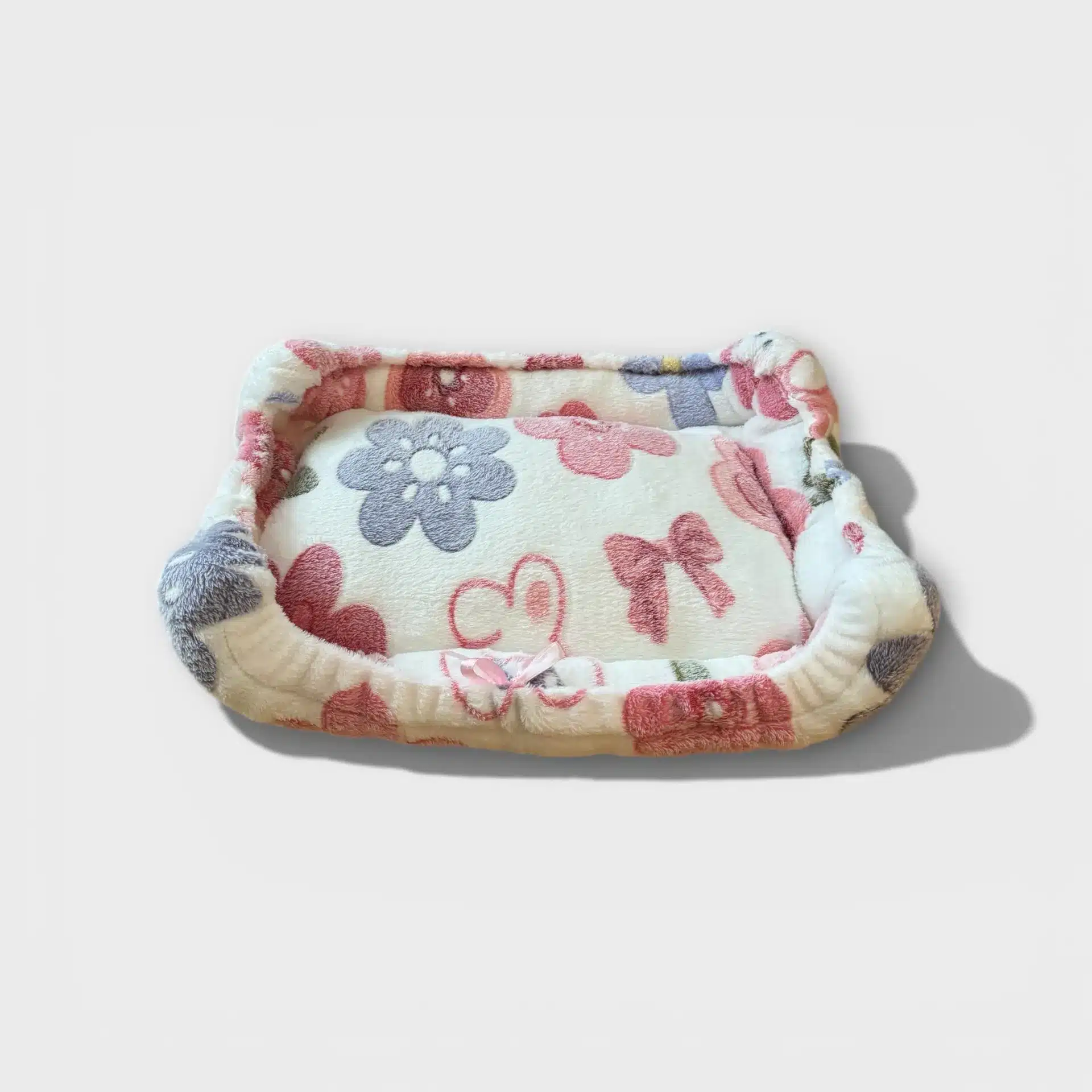
Handmade & Upcycled



Free returns
Try at home with confidence — returns are always free.
Pet-first picks
Every recommendation is made for dogs, cats or small pets.
Circular choice
Second-hand and handcrafted finds reduce unnecessary new production.
♻️ Circular Economy Impact Choosing a pre-loved dog collar or harness can save up to 99% of the water and emissions associated with new textile and leather production. Each second-hand choice significantly reduces textile waste in European landfills.